


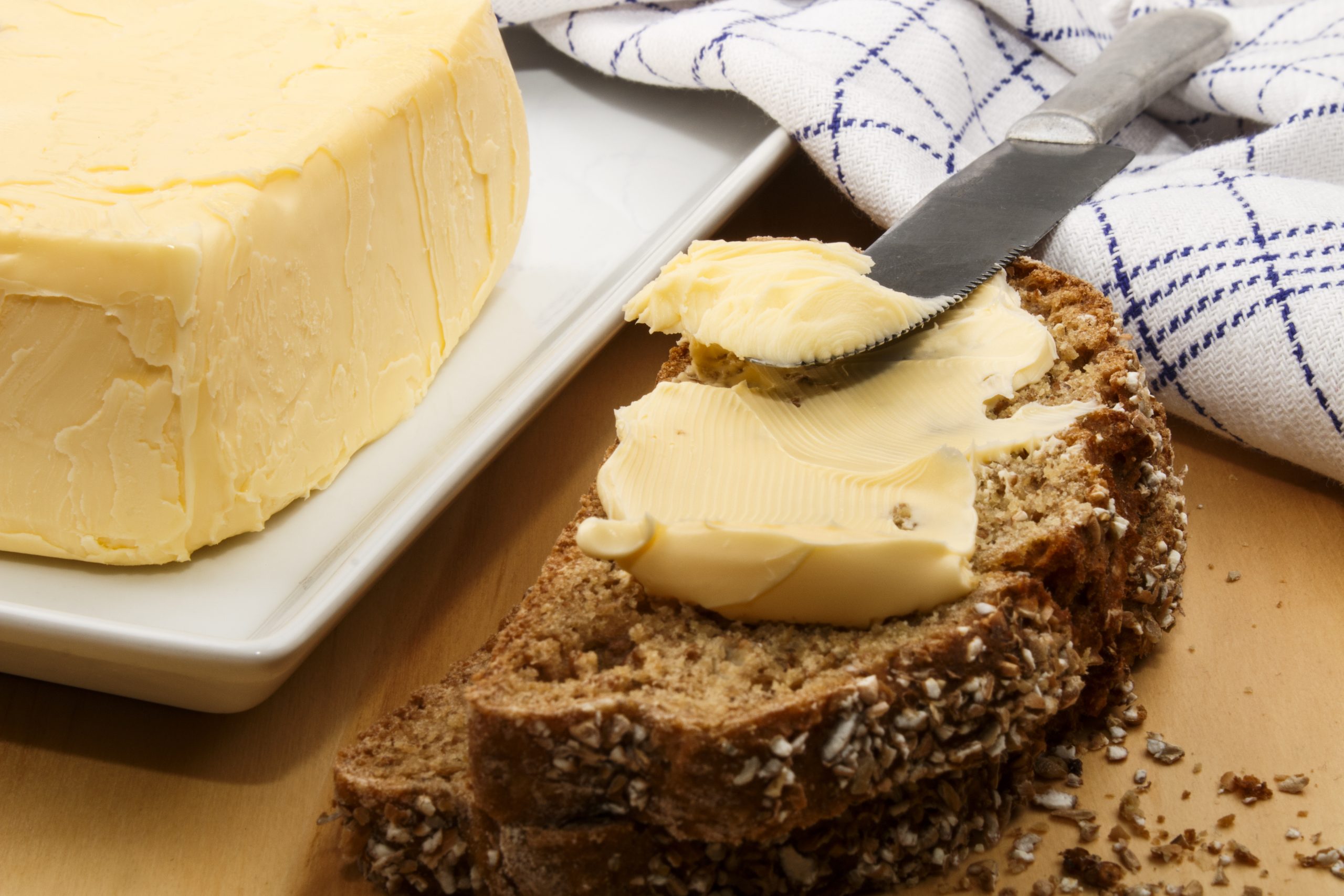
Irish butter is renowned for its rich, creamy taste and distinct quality stemming from Ireland’s lush green pastures. The country’s temperate climate provides an ideal environment for dairy cows who feed on the grass year-round. The grass-fed diet of the cows plays a critical role in the composition of the butter, contributing to its higher butterfat content and deep, natural colour. This traditional method of dairy farming, deeply rooted in Ireland’s agricultural heritage, ensures a consistent supply of high-quality milk, the essential ingredient in producing Irish butter.
The popularity of Irish butter extends beyond its homeland, gaining international recognition and a loyal following. This type of butter is well-known for its golden yellow hue due to the high levels of beta-carotene in the grass the cows graze on. The elevated fat content enriches the flavour and enhances the butter’s cooking qualities, making it a preferred choice for baking and frying. Irish butter, often sold in foil wrapping to preserve its flavour and freshness, is a staple in many households and sought after by culinary enthusiasts aiming to elevate their dishes.
Among the various brands, Kerrygold has become synonymous with Irish butter, capturing a significant market share and forming opinions about Irish butter around the globe. The brand has played a considerable role in portraying the premium nature of the product, often associated with a deep tradition of artisanal butter-making in Ireland. The product’s attributes align with growing consumer interest in natural, high-quality ingredients with clear, traceable origins, a testament to Ireland’s dairy excellence.
History and Origin
The rich heritage of Irish butter reflects centuries-old dairy traditions, the lush grass-fed pastures of Ireland, and the inception of butter within Irish culture.
Irish Dairy Tradition
Ireland’s history with dairy farming stretches back millennia, with evidence suggesting that cattle were integral to Irish agriculture and diet as early as 2000 BC. Dairy products, particularly butter, became a staple of the Irish diet and had significant cultural and economic importance.
Grass-Fed Cows and Their Influence
The quality of Irish butter is primarily attributed to the dairy cows’ diet. Ireland’s cows predominantly graze on verdant, nutrient-rich pastures—the cows’ high-quality grass results in rich, creamy milk, the perfect foundation for exceptional butter.
Origin of Irish Butter
Irish butter’s origins refer to milk being carried in earthen pots over uneven terrain and naturally churned into butter. By accumulating these accidental butter granules, the process of making was discovered and refined over time. Ireland’s butter production evolved from these small-scale, local methods to commercial production by the end of the 19th century, leveraging the unique environmental benefits of the Irish countryside.
Types of Irish Butter
Irish butter is renowned for its rich flavour profile and creamy texture, primarily attributed to the high butterfat content and the quality of the cream used. Here, one will explore the different Irish butter types, including salted, unsalted, and cultured variations.
Salted Irish Butter
Salted Irish butter is a staple for many, combining the inherent creaminess of butter with a pinch of salt for enhanced flavour. Salt seasons the butter and acts as a preservative, extending its shelf life. Salted butter is a favoured choice for everyday use, from spreading on bread to cooking and baking.
Unsalted Irish Butter
Unsalted Irish butter, free of added salt, allows the natural taste of the cream to stand out. It provides a pure, sweet flavour and is often preferred in baking, giving the baker complete control over the dish’s seasoning. Unsalted butter is also ideal for those monitoring their sodium intake.
Cultured Irish Butter
Cultured Irish butter is made by introducing live cultures to the cream before churning. This process results in a distinctly tangy and complex flavour. Cultured butter has a unique character and is often sought after by culinary enthusiasts for its depth of taste and enhanced fermentative qualities. It can elevate both cooking and baking creations.
Production Process
The production process of Irish butter is a meticulous journey from farm to table, ensuring a product rich in flavour and quality. It begins with the careful selection of high-quality, farm-fresh milk, which is then transformed through churning and, in some cases, the addition of salt.
Cream Separation and Churning
To craft Irish butter, one first separates cream from the milk—a process integral to defining the butter’s characteristic richness. Once separated, the cream undergoes pasteurisation to ensure safety and longevity. Then, it is churned, where the cream is agitated until butterfat clusters together, separating from the liquid known as buttermilk. The churning process is both an art and a science, creating butter’s unique texture and flavour.
Salt Addition and Flavor Profile
After churning, salt may be added to the butter to enhance the flavour and act as a preservative. The salt blends with the rich, creamy texture of the butter, resulting in a distinctive flavour profile. Salted butter is known for its heightened tastiness, which makes it a preferred choice in many culinary applications. Unsalted varieties typically highlight the natural taste of the grass-fed butterfat.
Shaping and Packaging
The final stages include shaping butter using wooden butter paddles, which help remove excess water and form blocks or shapes. The butter is then wrapped and packaged, ready for distribution. Irish butter reflects tradition and attention to detail throughout the production process, contributing to its reputable status among dairy products worldwide.
Nutritional Profile
Irish butter is renowned for its superior quality and rich flavour, which stems partly from the high butterfat content, which averages around 82%. This high concentration of butterfat contributes to the creamy texture and impacts the nutritional value.
One notable component of Irish butter is vitamin A, which is in significant quantities. Vitamin A is vital for maintaining good vision, immune function, and skin health. The distinct yellow hue of Irish butter is due to beta carotene, an antioxidant that the body can convert into vitamin A. Beta carotene contributes to the overall nutritional profile, supporting immune health and providing additional antioxidant protection.
When it comes to fats, Irish butter contains omega-3 fatty acids, which are categorised as healthy fats. These are essential fats that the body cannot produce on its own and must be obtained from dietary sources. Omega-3s support cardiovascular health and are linked to a reduced risk of inflammation.
Despite the health benefits of omega-3s and other nutrients in Irish butter, it is also high in saturated fat. Consuming saturated fats in moderation, as part of a balanced diet, is essential to maintain cardiovascular health.
Regarding protein and iron, Irish butter contains negligible amounts; therefore, it is not considered a significant source of these nutrients.
| Nutrient | Presence in Irish Butter |
|---|---|
| Butterfat Content | High (approx. 82%) |
| Vitamin A | Significant quantities |
| Beta Carotene | Present, contributes to the yellow colour |
| Omega-3s | Essential fats, beneficial for cardiovascular health |
| Healthy Fats | Contains, including omega-3 fatty acids |
| Protein | Negligible amount |
| Saturated Fat | High, consume in moderation |
| Iron | Negligible amount |
Irish butter provides a rich array of nutrients and is a flavourful addition to a balanced diet, best enjoyed in moderation due to its saturated fat content.
Tasting Notes
Irish butter is renowned for its rich, creamy taste and distinct texture. Within this section lie the intricate details that set apart Irish butter in terms of flavour, texture, and sensory appeal.
Flavour Characteristics
Irish butter typically exhibits a bold, creamy flavour with a slight hint of caramel. This taste is primarily influenced by the high butterfat content, which is at least 82%, mirroring the standard for European butter. Due to Ireland’s climate, cows often graze on lush grass, imparting a grass-fed quality to the butter that is observable in the taste profile, enhancing the richness of the flavour.
Textural Differences
The texture of Irish butter tends to be densely creamy and spreadable. This owes to the higher fat content and the method of production, where it often remains uncultured compared to its European counterparts. Its spreadability sets it apart, making it a favourite for baking and cooking, with a consistency that combines well with other ingredients.
Colour and Aroma
Irish butter typically presents a distinct yellow hue, which is natural, resulting from the grass-fed diet of Irish cows. The yellow colour is more pronounced in Irish butter than in other butters. With regards to aroma, it carries a fresh scent which echoes its natural and rich flavour, leaving a pleasant smell that is not overpowering.
These sensory notes mark the pronounced characteristics of Irish butter that distinguish it from other butter varieties.
Comparative Analysis
In assessing Irish butter, comparisons with American and European varieties focus on distinct production methods and resultant quality differences.
Irish Butter vs American Butter
Irish butter is renowned for its rich flavour and luxurious quality, primarily due to its high butterfat content and traditional pasture-based dairy farming. The predominance of grass-fed herds contributes to a deeper yellow hue, a hallmark of its natural carotene content. On the other hand, American butter typically has a lighter colour and a different taste profile, which may be attributed to the more diverse diets of American dairy cows, including grain and corn.
In terms of production, Irish butter adheres to a higher butterfat standard. USA regulations require butter to have at least 80% butterfat, while Irish butter often exceeds this:
| Quality Aspect | Irish Butter | American Butter |
|---|---|---|
| Minimum Butterfat Content | Above 80% | Minimum 80% |
| Dairy Cow Diet | Predominantly grass-fed | Varied, including grain and corn |
| Colour | Deep yellow due to natural carotene | Generally lighter yellow |
Moreover, the marketplace often perceives Irish butter as a luxury item.
European-Style Butter Varieties
European-style butter, including Irish butter, stands out for its higher butterfat content compared to regular offerings. This category often encompasses artisanal and AOC (Appellation d’Origine Contrôlée) protected varieties, signifying stringent production criteria and regional specificity. These butters lend themselves well to butter recipes where the richer flavour can stand out, such as in baked goods and sauces.
Critically, European butter is not a monolith; distinct characteristics arise from various terroirs and processing techniques. Nevertheless, they share a commitment to quality:
- Higher Butterfat Content: Often contains 82% or more butterfat, which leads to a creamier texture and better flexibility in cooking.
- Flavour Profile: Accentuated by the cows’ diets, the flavours can range from nutty to slightly tangy, influencing preferred use in culinary contexts.
- Cream Processing: Slow churning and culture-adding processes contribute to distinct textures and flavour profiles.
The comprehensive analysis of Irish butter in the context of global dairy products reveals its competitive position, driven by quality and tradition, which sustains demand in both domestic and international markets.
Cooking and Baking Applications
With its higher butterfat content, Irish butter enriches various recipes through its superior flavour and texture. In the kitchen, it proves versatile across both sweet and savoury applications.
Baking with Irish Butter
When baking with Irish butter, the low water content and increased fat percentage, often exceeding 82%, offer a richer taste and flakier texture. Scones and pastry crusts benefit significantly from the creamy consistency. Irish butter imparts a deeper flavour for chocolate chip cookies and other confectioneries, resulting in a luxurious mouthfeel. Bakers will find that their baked goods are most delicious when high-quality butter is utilised, specifically in croissants, pies, and pancakes.
- Scones: Enhanced flakiness and richness.
- Chocolate Chip Cookies: Deeper, more buttery flavour.
- Pancakes: Tender texture with a rich flavour.
Savoury Cooking Uses
Irish butter excels in savoury dishes, from creating velvety sauces to enriching the flavour profiles of steamed vegetables. It serves as a superb base for sauces and can be incorporated into various butter recipes, elevating the taste of simple and complex dishes. Whether sautéing, frying or roasting, Irish butter adds a subtle richness that can transform an everyday meal into something special.
- Sauces: Thicker, creamier consistency.
- Vegetables: Add a pat of Irish butter for a flavour boost.
Spreads and Toppings
Irish butter shines as a spread on toast and other breads, melting quickly due to its high butterfat content. It can also be used as a topping instead of other alternatives, offering a smooth, indulgent taste. This butter’s velvety texture makes it a preferred choice for those looking to enjoy a fuller flavour on warm breakfast items or snacks.
- Toast: Melts quickly, providing a rich, luxurious taste.
- Toppings: Offers a creamy addition to breads and rolls.
Storage and Preservation
Irish butter, known for its rich flavour and higher fat content than regular butter, requires proper storage to maintain its quality and freshness.
Shelf Life: When stored at room temperature, it’s advisable to keep the butter for no longer than four hours to prevent degradation from temperature and light. For extended preservation, different measures are necessary.
Refrigeration: Ideally, Irish butter should be refrigerated to extend its shelf life. In a fridge, the butter can remain fresh for several weeks. It’s recommended to store it in an airtight container to protect it from absorbing other odours.
Freezing: For long-term storage, Irish butter can be frozen. It should be wrapped in parchment paper, allowing the butter to maintain moisture while protecting it from freezer burn. Once wrapped, placing the butter in a heavy-duty freezer bag is best. Frozen butter can last for several months.
Room Temperature Storage: If one desires to keep butter at room temperature for immediate use, ensure it’s in a covered dish away from direct sunlight and heat sources. It should be included for a maximum of a few hours to ensure optimal taste and safety.
Following these guidelines ensures that Irish butter retains its characteristic creaminess and flavour, enriching a wide range of culinary delights, from fresh bread to pastries.
Health Considerations
When assessing the health implications of Irish butter, it is essential to consider its fat composition, its role in cardiovascular health, and general dietary recommendations.
Fat Content and Cardiovascular Health
Irish butter consists mainly of saturated fat, which is traditionally associated with higher cholesterol levels and an increased risk of heart disease. However, grass-fed Irish butter also contains more healthy fats, such as omega-3 fatty acids and conjugated linoleic acid, than its grain-fed counterparts. Vitamin K2 is another point of interest; this vitamin is essential for bone health and may contribute to cardiovascular health.
Dietary Recommendations
The consensus among health professionals is that moderation is vital. While Irish butter can be part of a balanced diet, it should be consumed in moderate amounts in alignment with dietary guidelines. These typically suggest limiting saturated fat intake and prioritising unsaturated fats in plant oils, nuts, and fish. Individuals should consider their health goals and consult healthcare providers when making dietary choices involving high-fat products like butter.
Cultural Impact
Irish butter, renowned for its high quality and distinctive flavour, has made a substantial impact in Ireland and worldwide. The richness of Irish butter can be attributed to the grass-fed cows, which graze on the lush fields of Ireland.
Irish Butter in World Cuisine
Irish butter is a treasured ingredient in global kitchens. In Paris, for example, it is highly regarded among chefs and gourmands alike, often finding its way into an array of classic French dishes. Its pure, rich taste enhances everything from sauces and pastry to the finishing touch on a perfectly grilled steak. Unlike other dairy products, which may vary in taste and quality, Irish butter offers consistent excellence thanks to the milk from Irish grass-fed cows. This butter is also a pivotal ingredient in creating ghee, clarified butter that forms the cornerstone of many Asian cuisines.
Butter in Irish Culinary Heritage
In Ireland, butter transcends mere culinary use, symbolising a connection to the rural and agricultural lifeblood of the country. Traditional Irish dairy products, such as cheese and butter, are embedded in Irish culinary heritage due to their consistent presence in the Irish diet. The making of butter dates back thousands of years and has long been a family tradition, with recipes and methods passed through generations. Today, this heritage survives, as Irish butter remains an iconic symbol of national identity and persists as a staple in Irish homes and abroad.
Frequently Asked Questions
This section briefly answers commonly asked questions about Irish butter, addressing its unique qualities, usage, storage, ingredients, cost, and notable brands.
What differentiates Irish butter from regular butter?
Irish butter is renowned for its rich flavour and high butterfat content, typically around 80%, compared to regular butter. It’s often attributed to the milk from grass-fed cows in Ireland, which is known to produce creamier, more flavourful butter.
Can you explain the advantages of using Irish butter?
One advantage of Irish butter is its rich taste, which enhances the flavour of baked goods, sauces, and spreads. Its higher fat content also results in a creamier texture, making it a preferred choice among chefs for pastries and other culinary creations.
Is it possible to store Irish butter at room temperature?
While Irish butter can be stored at room temperature to keep it spreadable, it should not be kept out for extended periods. To maintain freshness and prevent spoilage, storing it in a cool place for daily use or refrigerating it for long-term storage is advisable.
What are the distinguishing ingredients of Irish butter?
Irish butter’s primary ingredient is cream from grass-fed cows, with a higher butterfat percentage than regular butter. It does not typically contain additional ingredients, allowing its natural flavour to take precedence.
Why does Irish butter generally have a higher price point?
The higher price point of Irish butter reflects the quality of milk from grass-fed cows, traditional churning methods, and import costs if not produced locally. These factors contribute to its premium status in the market.
Which are considered the top brands of Irish butter?
Some of the top brands of Irish butter known for quality include Kerrygold, widely recognised for its full-flavoured profile and smaller artisan producers who employ traditional methods to achieve high-quality butter.