Precision in construction extends far beyond measurements and materials—it encompasses the exact force applied to every bolt and fastener. Torque wrenches serve as critical tools ensuring structural integrity, safety compliance, and long-term durability in construction projects. Understanding their importance helps construction professionals maintain the highest standards while protecting both workers and end users.
Ensuring Structural Safety and Integrity
Proper bolt tension directly impacts structural stability. Under-tightened fasteners can loosen over time, leading to catastrophic failures, while over-tightening can strip threads or crack materials. Torque wrenches eliminate guesswork by applying manufacturer-specified torque values precisely.
This precision proves especially crucial in steel frame construction, bridge assembly, and high-rise projects where structural failure could result in significant property damage and loss of life. Professional construction teams rely on calibrated torque tools to meet engineering specifications consistently.
Precision tools form part of the wider shift towards safer and more efficient building practices. FEAST Magazine’s article on how technology has transformed the construction industry explores the role of equipment, digital systems and training in that progress.
Meeting Industry Standards and Regulations
Building Code Compliance
Construction projects must adhere to applicable building codes and engineering specifications, which may include tightening requirements for critical connections. Calibrated torque tools, used alongside the specified installation and inspection procedures, help contractors demonstrate that these requirements have been followed.
Quality Assurance Documentation
Many projects require torque verification records for quality assurance, contractual or warranty purposes. Some digital torque wrenches can store measurement data, creating documentation that supports quality control requirements.
Applications Across Construction Disciplines
Steel Construction: Structural steel assembly requires controlled tightening for beam connections, column attachments, and bracing systems. Teams must follow the specified installation method for each connection rather than assume that a torque value alone confirms correct bolt tension.
Heavy Equipment Assembly: Construction machinery maintenance and assembly demand accurate torque specifications to prevent equipment failure and ensure operator safety.
Infrastructure Projects: Bridge construction, tunnel boring, and foundation work depend on correctly installed connections to withstand environmental stresses and dynamic loads.
Companies like Crane Electronics understand the critical role precision measurement plays in construction applications, offering specialised torque solutions designed for demanding field conditions.
Economic Benefits and Cost Savings
Preventing Rework and Delays
Proper torque application can reduce callbacks and warranty claims. Following the correct tightening specifications helps contractors avoid connection problems, saving time and money on remedial work.
Equipment Longevity
Correctly tightened equipment connections help prevent movement, premature wear and failures that can result in expensive repairs or replacements.
FAQ Section
What Types of Torque Wrenches Are Best for Construction Work?
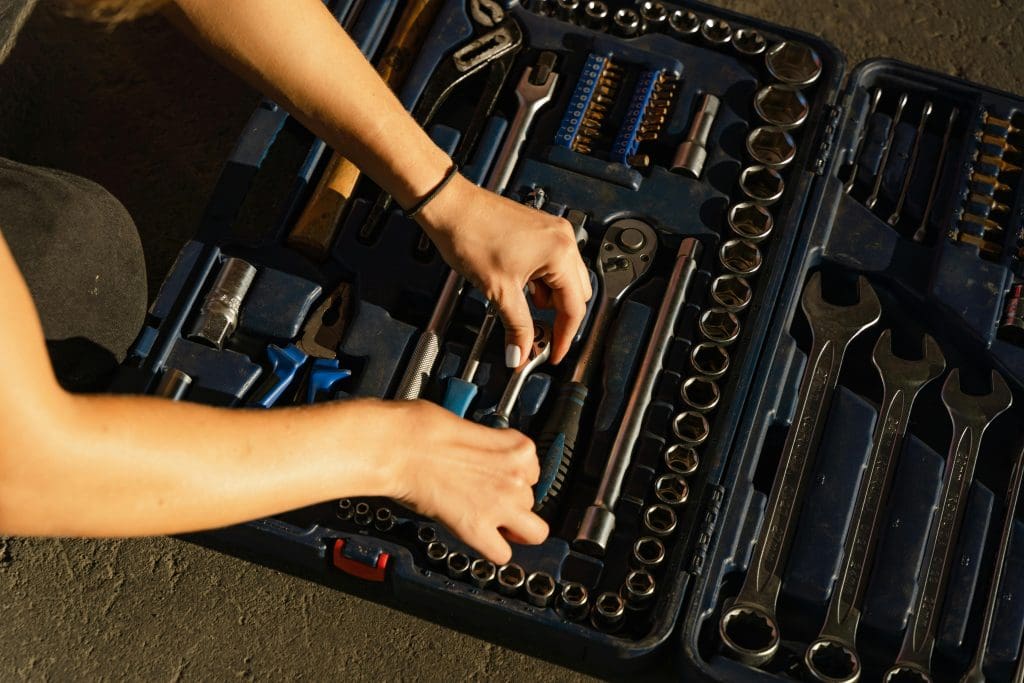
The best choice depends on the required torque range, working conditions and documentation needs. Digital torque wrenches can offer measurement displays and data logging, while click-type wrenches provide a practical option for many field applications.
How Often Should Construction Torque Wrenches Be Calibrated?
Follow the manufacturer’s calibration schedule and the project’s quality requirements. Usage intensity, storage conditions, overloading or accidental damage may mean that a tool needs checking sooner.
Can Improper Torque Application Void Construction Warranties?
It can affect warranty coverage where the terms require specified installation procedures or records. Contractors should check the relevant warranty conditions and retain the required documentation.
What Happens If Bolts Are Over-Torqued in Construction Applications?
Over-tightening can damage threads, overstress fasteners or damage connected materials, potentially creating weak points that compromise structural integrity and safety.
Conclusion
Torque wrenches are valuable investments in construction safety, quality, and profitability. Used correctly, these precision tools help teams follow engineering specifications and reduce the risk of costly failures.
As construction projects become increasingly complex, accurate torque application remains an important part of quality control. Selecting suitable tools, maintaining their calibration and following the specified installation procedures all contribute to reliable results.