



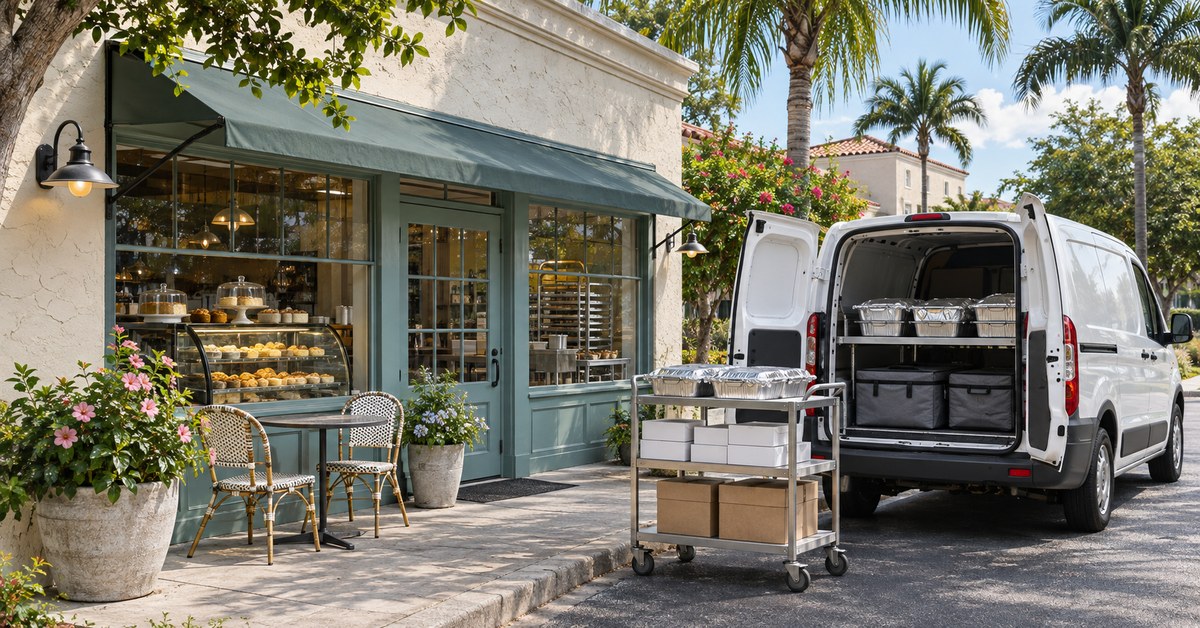
Independent food businesses live and die by timing. Dough has to be proofed before dawn, produce has to land before the lunch rush, and a wedding cake is worthless if it turns up an hour late. Almost every one of those deadlines depends on somebody behind the wheel of a car or van. That is why a single car accident can knock an entire week of trading off balance.
Most owners picture the obvious damage first, such as a crumpled bumper or a cracked windscreen. The heavier costs tend to arrive later and rarely appear on a repair invoice, from wasted stock and lost shifts to customers who quietly drift elsewhere. Those losses are easy to overlook while everyone is focused on getting the vehicle fixed. Knowing where the hidden expenses sit helps an owner protect both the team and the business they have worked so hard to build.
Spoiled Orders, Idle Vans and Awkward Insurance Calls
Picture a caterer driving trays of canapes to an evening party when a distracted motorist runs a red light. The car accident lasts a few seconds, yet the food is ruined, the client is waiting and the kitchen must remake the order at overtime rates. As explained by the Weston & Pape law firm based in Orlando, Florida, the fallout from a crash often stretches into medical treatment, lost income and insurance disputes that are hard to untangle alone. A van stuck in the body shop for weeks also adds rental costs that insurers do not always reimburse in full.
Orange County roads are busy at nearly every hour, with commuters, holidaymakers and delivery trucks sharing Interstate 4 and crowded junctions during the morning and evening rush. That constant flow turns a collision into an ordinary business risk rather than a rare piece of bad luck. Owners who collect their own flour, coffee beans or fresh fish can lose a full day of stock along with the vehicle. Distracted driving makes the danger worse, because a glance at a phone is all it takes for traffic ahead to stop.
When the Person Who Gets Hurt Runs the Kitchen
The biggest loss after a crash is often a person rather than a vehicle. Orlando has a lively independent food scene, and much as on a British high street, many of its small kitchens depend on an owner who cooks, keeps the books and handles the deliveries. The key difference is that almost everything there moves by car, so the people keeping those kitchens running spend a great deal of time on the road. That exposure is simply part of the job, whether anyone stops to think about it or not, and it grows during busy seasons when orders pile up.
Whiplash, back strain and concussions can make a ten-hour shift at a hot stove impossible for weeks. When a car accident sidelines the head baker or chef, there may be nobody who can step in at the same level, and opening hours get trimmed. Medical records, staff rotas and pay slips that show missed shifts help prove what the injury actually cost. Those documents carry real weight when an insurer suggests the losses were smaller than they really were or that the owner could have returned to work sooner.
Insurance Gaps That Leave Owners Exposed
Plenty of small operators run business errands in a personal car without realizing their policy may treat work trips differently. Commercial auto cover, workers’ compensation and personal health insurance each respond to separate parts of the damage after a car accident. A baker driving wholesale orders up to Sanford might hold one policy on the van and another on the equipment inside it. Working out which one applies can take longer than the repair itself.
Reviewing cover with an agent before anything happens saves a great deal of stress later. Ask plainly whether staff who use their own cars for deliveries are protected, and what happens if a vehicle is off the road for a month. Write the answers down, note the name of the person who gave them and keep copies of every policy somewhere easy to reach. Those small habits make the paperwork after a crash far less painful.
Reviews, Regulars and Lost Goodwill
Customers rarely know why a favorite bakery missed a holiday order or why a lunch counter suddenly closes on Tuesdays. They only see the disappointment, and some of them say so online in reviews that linger long after the problem has been fixed. A neighborhood cafe in Avalon Park can lose its morning regulars while the owner recovers from a car accident. Winning them back costs time and marketing money that never shows up on a claim form.
Honest, simple communication limits the damage. A note on the door or a short social media post about temporary hours keeps loyal customers informed without revealing private medical details. A modest discount or a loyalty stamp when the doors reopen can coax people back to the counter and remind them why they came in the first place. If you’re considering a stamp card to bring regulars back, FEAST Magazine looks at how loyalty programmes work in hospitality. Tracking any dip in takings during recovery also helps show the true financial effect of the crash.
Treating Road Safety as Part of the Recipe
No owner can rule out every collision, but planning softens the blow when one happens. Cross-training staff so more than one person can handle ordering, baking and deliveries keeps service going if someone is injured. A dash camera in each delivery vehicle can settle arguments about fault after a car accident. A short emergency plan, with numbers for a backup driver and a rental company, saves hours of panic.
Small food businesses from Oviedo to the busiest resort areas understand that every minute and every ingredient counts. Building road safety and careful record-keeping into daily routines protects the people who make the business work. Prompt medical care, organized paperwork, and sound advice about insurance and legal rights all shape how quickly a kitchen returns to full strength. The ovens can only stay hot when the people tending them are looked after first.