



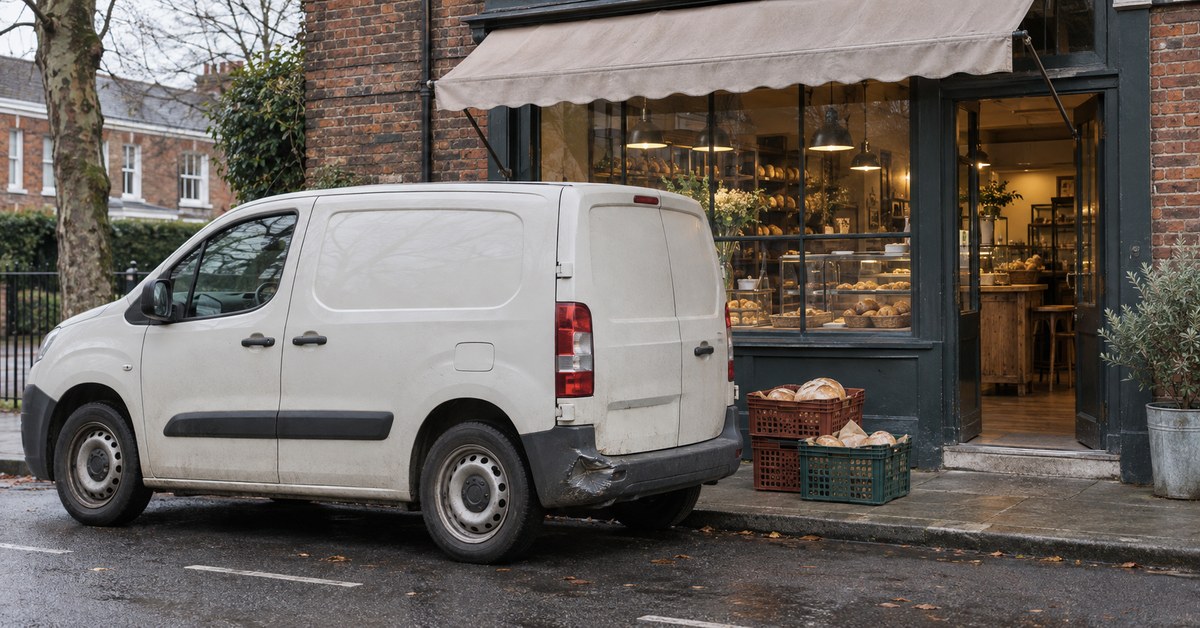
Anyone who has run a small kitchen knows the day starts long before the doors open. Dough needs time to rise, the fish order has to be collected early, and the morning coffee crowd expects everything ready on the dot. Every hour is spoken for, and there is very little slack built into the week. That is exactly why road collision costs can hit a small food business so hard.
A crash on the way to a supplier or a catering job is one of those disruptions. The dented van gets all the attention at first, but it is seldom the costliest part of the story. Missed orders, wasted ingredients, extra wages and an owner who cannot stand at the stove for a fortnight all add up in the background. Food businesses on both sides of the Atlantic face the same basic risk, even if the insurance rules differ from country to country.
Road Collision Costs Beyond the Repair Bill
As noted by Emerson Straw, the expenses that follow a collision often keep arriving well after the vehicle has been towed away. For a café or bakery owner, they usually come in waves rather than all at once. The garage invoice lands first, then the doctor’s appointments, and later the slower drain on takings and staff rotas. A car accident lawyer will often point out that these later costs are the easiest ones to overlook.
Picture a wholesale baker whose delivery van sits in a body shop for two weeks. The cafés that buy her loaves still want them by seven each morning, so she hires a replacement, pays her driver extra hours or quietly drops a customer. Not one of those choices shows up on the mechanic’s paperwork. Add a cool box of cream or prawns that spoiled while everyone waited at the roadside, plus a few crushed cake boxes, and the true figure grows quickly. Keeping every receipt and a dated note of each loss from the first day makes these road collision costs easier to document.
Time on the Road Is Part of the Job
Few people outside the trade realise how much driving a food business involves. There are early runs to the market, trays dropped at office lunches, wedding cakes carried across town on a Saturday and a street food trailer towed to a new pitch most weekends. Each journey is a small exposure to risk, and rush hour multiplies it. A business that clocks up more miles simply has more chances for something to go wrong.
Drivers who use I-275 or 34th Street in St. Petersburg during the commute know how suddenly a moving queue can turn into a standstill, much as a British driver might on a busy ring road at half past eight. A loaded van takes longer to stop than a small hatchback, and a box of tarts will not forgive a hard brake. Scheduling deliveries around the worst of the traffic lowers the risk and calms the driver. A small folder in the glovebox holding the insurance details, a pen, a notepad and a phone charger also makes the minutes after a bump far less chaotic.
When the Person Who Gets Hurt Is the Head Cook
Many independent kitchens rely on one person for almost everything. The owner may be the chef, the buyer, the person who balances the books and the only one who knows how the signature sauce is made. If that person is injured, the effect spreads far beyond a single service. Even a sprained wrist can stop someone from kneading, piping or plating at the pace a busy lunch demands.
Not every injury makes itself known straight away. Stiffness in the neck or lower back can creep in over the following day or two, once the adrenaline from the crash has worn off. Seeing a doctor promptly protects your health and leaves a clear medical record that insurers will later want to see. Florida drivers usually turn first to their own personal injury protection cover for medical bills, and that cover generally expects initial treatment within 14 days of the crash, which is a deadline worth knowing well in advance.
Planning for Road Collision Costs After a Crash
A surprising number of owners believe the policy on their personal car automatically covers trips made for the business, and that is not always so. Some personal policies restrict or exclude cover when a vehicle is used regularly for work, with deliveries a common sticking point. A short phone call to your agent can settle this long before anything happens. Ask whether business use is covered, whether staff who drive on your behalf are included, what happens if a hired replacement van is damaged and whether your business policy protects any income lost while you recover. Write the answers down and file them with your other paperwork, so that on a bad day you already know which policy applies and whom to ring.
Getting through the weeks after a crash is as much about cash flow as it is about healing. Teaching a second team member to place supplier orders, pricing a rental van in advance and keeping a written sheet of suppliers, logins and opening routines all let someone else step in without guesswork. Regulars also tend to be kinder than owners expect, and an honest note explaining a shorter menu or a slower delivery schedule usually earns goodwill rather than complaints. Neighbouring traders on Central Avenue and other busy shopping streets often lend a hand with small favours when one of their own is struggling. Throughout this period, keep a dated record of road collision costs, from overtime to van hire, so you have the details when you need them.
For more on keeping a kitchen running when a key person is unavailable, see how careful planning protects family food businesses.
Building a Kitchen That Can Absorb a Bad Week
Nobody can take every hazard off the road, but any food business can prepare for one. Knowing exactly what your cover includes, keeping tidy records and having a backup driver or vehicle in mind can make road collision costs easier to manage. That difference can decide whether a small shop rides out a difficult month or closes for good. Preparation rarely feels pressing until the very day it is needed.
Above everything else, the people involved in a crash come first. Get checked by a doctor, write down what happened and take your time before signing anything an insurer sends through. Protecting your rights early keeps more options open later on. With those foundations in place, attention can return to the warm loaves, the full tables and the loyal customers who make the long hours worthwhile.