



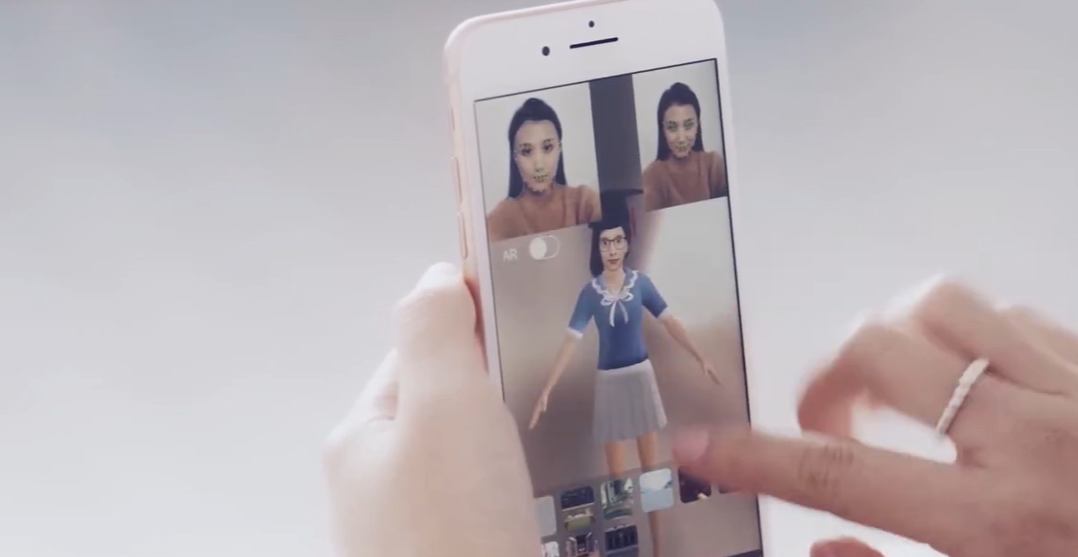
Once associated with physical presence, fame is increasingly manifesting itself digitally. A new generation of celebrities has emerged—avatars crafted with precision, charisma, and constancy. They are not constrained by aging, scandal, or death. They are exceptionally good at retaining attention, perfectly constructed, and engagement-optimized.
These avatars, such as Korea’s Isegye Idol, whose concerts sell out to yelling fans, or Lil Miquela, the animated model who works with Prada and Calvin Klein, symbolize fame’s most strikingly parallel growth to artificial intelligence itself: quick, flexible, and infinitely inventive. They make it difficult to distinguish between engineering and entertainment, demonstrating that believing is all that is needed to become famous these days.
Digital avatars have proven very useful for brands. Avatars never miss a deadline, never age, and never falter, in contrast to human ambassadors who might encounter disputes or schedule issues. Their delivery is consistently on-brand, their personalities are adaptable, and their allegiance is codified. That type of dependability is quite significant to businesses that spend millions on image management.
An AI model developed for a green tea commercial in Japan caused a national uproar. Promoting Ito En’s Oi Ocha tea, the realistic actress seemed to age gracefully over the years. Her authenticity enthralled viewers, but her nonexistence unnerved them. The dichotomy was summed up in an online comment that said, “She doesn’t exist, but she feels more real than many actors.” Advertisers were forced to consider if emotion could be faked and whether viewers would care if it were.
| Category | Details |
|---|---|
| Topic | How Digital Avatars Are Rewriting the Rules of Fame |
| Focus | The rise of AI-generated personalities reshaping entertainment, branding, and influence |
| Industry Shift | From human influencers to virtual personalities with limitless reach |
| Technology Drivers | AI modeling, motion capture, deep learning, and emotional intelligence |
| Notable Figures | Lil Miquela, Hatsune Miku, Isegye Idol, Re:Revolution |
| Global Hotspots | South Korea, Japan, China, United States |
| Economic Impact | Projected $4 billion market for virtual idols by 2029 |
| Cultural Effect | Redefining authenticity, fandom, and celebrity culture |
| Ethical Questions | Identity rights, deepfakes, and legal recognition of digital selves |
| Reference | https://restofworld.org/stories/metaverse-kpop-idols-revolution |
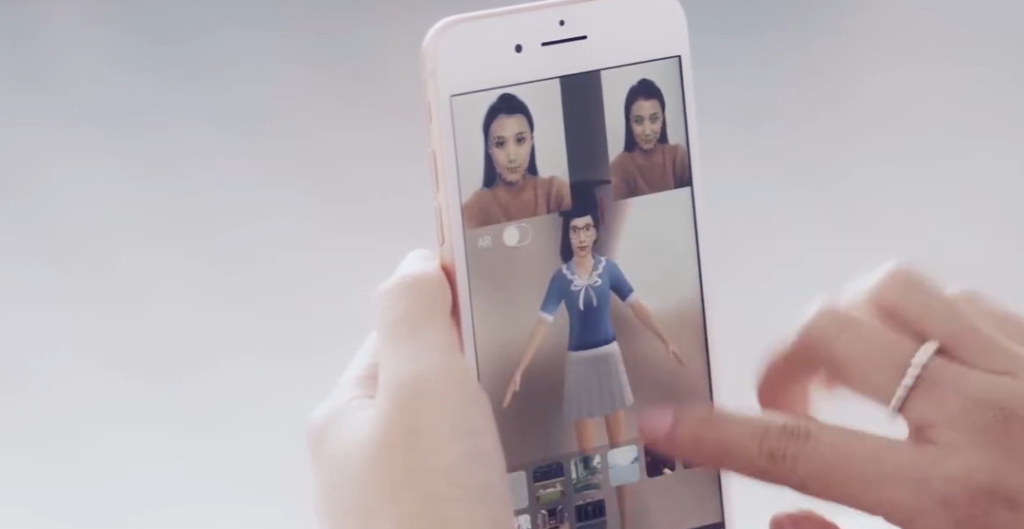
By employing artificial avatars as relentless hosts in livestream shopping, China has advanced this tendency. They answer to clients, sell, and speak with them around-the-clock. They have perfect pronunciation, unlimited patience, and extremely effective performances. For less than $1,000, a brand can create a lifelike influencer who can stream nonstop without getting tired. Their emotional intelligence—programmed to react with joy, sadness, or empathy—makes them strikingly persuasive sales agents.
That change is both exhilarating and scary for human influencers. Once based on personality, the work of interacting, selling, and performing is being subtly replaced by programmable charm. However, many see these avatars as opportunities rather than dangers. These days, the creative architects of fame are designers, authors, and programmers. They work together across disciplines to create characters who are beloved and portrayed on television. Imagination and technology now co-author fame, which was previously acquired via performance.
Virtual K-pop idols are becoming extremely popular in South Korea, where innovation is key to the music and performance sectors. Performers with motion capture suits move their computerized bodies in time with human actors in 3D arenas, such as Re:Revolution and Plave. Through their avatars, the singers, who previously battled against rigid industry norms, are now able to freely express themselves. One artist said, “As a virtual idol, I no longer wrestle with insecurities about my looks.” That freedom is especially novel since it turns celebrity into a welcoming experience that prioritizes creativity over looks.
Tens of thousands of people attend these shows, cheering for digital figures projected on LED walls while waving neon light sticks in concert halls. Supporters weep, giggle, and even develop parasocial bonds with these online performers. Although the idols themselves merely exist in code, the attachment is real. Their admirers characterize the bond as reassuring, intensely sentimental, and incredibly intimate. It appears that resonance, rather than presence, is now the key to fame.
Additionally, technology has evolved into the silent enabler of fame. AI-driven modeling, motion capture, and deepfake systems have improved so rapidly that avatars can replicate real human expression with amazing precision. It is now possible to recreate every breath, blink, and micro-emotion. Animation that used to take hours now only takes a few seconds. The entertainment industry’s ability to produce content that seems alive but costs a lot less has been greatly enhanced by this efficiency.
The moral ramifications are intricate. The Elvis Presley-inspired ELVIS Act of Tennessee shields artists from unapproved AI duplication of their voices and images. The law recognizes identity cloning without agreement as a new form of celebrity theft. As artists bargain over who owns their digital doubles, similar discussions have emerged throughout Asia and Europe. These problems highlight a developing reality: once-personal reputation is becoming programmable property.
Digital fame gives creators a great deal of creative freedom. Now, independent artists who were previously shut out by traditional gatekeepers may create their own virtual identities and attract large audiences. An avatar that performs, sings, and engages with people around the world can be created by a teenage animator in Brazil or a gamer in Canada. Fame is now more accessible than ever before due to the considerable reduction of the obstacles to stardom.
The entertainment sector is evolving with amazing rapidity. Hollywood now makes significant investments in AI-powered performances and artificial doubles. Actors’ likenesses are being preserved by studios for usage in the future, guaranteeing their existence long after retirement or death. Once a literary concept, this immortality has evolved into a corporate strategy. It’s extremely innovative, ensuring continuity without debate.
However, a faint sense of worry permeates the optimism. What occurs when viewers value avatars’ flawlessness more than actual artists’ imperfections? When authenticity becomes an algorithmic illusion? For ages, fame flourished on flaws, such as human error and spontaneous laughter. Calculated spontaneity is taking the place of these moments. The question is whether we still yearn for humanity in popularity, not if avatars may achieve fame.