



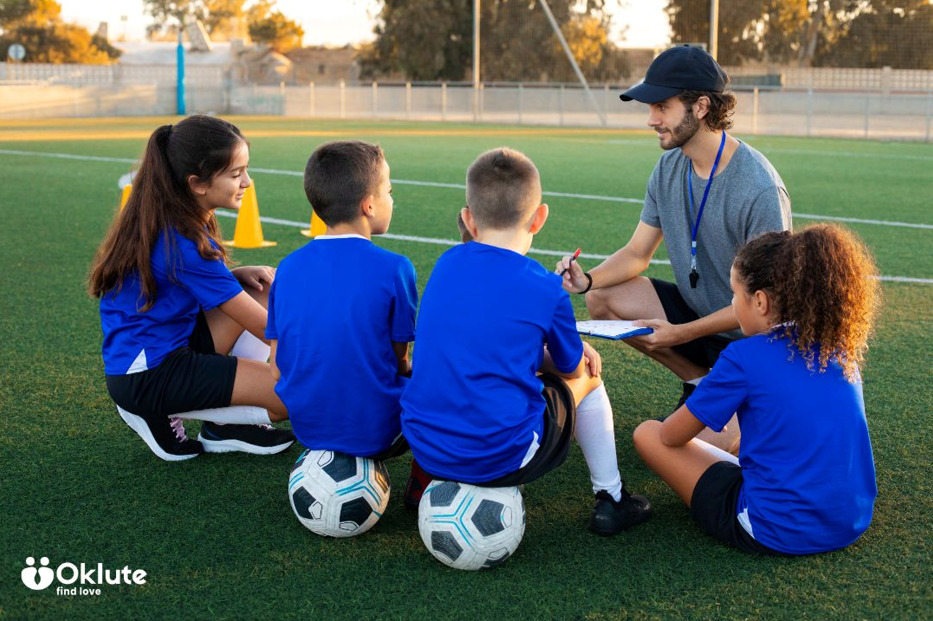
Life follows a natural rhythm. Some days bring victory, while others bring disappointment. On difficult days, we must learn, adapt, and move forward. Sport follows the same pattern. Athletes prepare before competing, manage pressure during the game, and reflect afterwards. The phrase sports is life captures these shared experiences and the valuable lessons behind them.
Sport does more than improve fitness or provide entertainment. It teaches discipline, resilience, teamwork, patience, and self-belief. These qualities help athletes perform better. More importantly, they also help people manage everyday challenges with greater confidence.
Sports Is Life: Why Showing Up Matters
Every sporting journey starts with a simple decision: show up. An athlete may attend an early training session, complete an evening run, or practise one skill repeatedly. The results may not appear immediately. However, every focused session contributes to long-term improvement.
Life works in much the same way. Success rarely comes from one extraordinary effort. Instead, people achieve meaningful results through small actions repeated consistently. Sport teaches us that progress does not need to look dramatic. Sometimes, improving a little each day is enough.
Sports Is Life: The Value of Consistent Effort
Motivation can encourage someone to begin, but consistency keeps them moving. Athletes cannot depend on inspiration every day. They must follow their routines even when they feel tired, distracted, or discouraged.
This lesson applies to education, work, business, and personal development. Regular effort builds momentum. Over time, that momentum creates skills, confidence, and measurable progress.
Sports Is Life Beyond the Scoreboard
A final score shows who won the contest, but it cannot explain the entire journey. It does not show the hours of training or the mistakes a player corrected. It also misses the challenges, sacrifices, and personal growth behind the performance.
Winning matters in competitive sport, but it should not become the only measure of success. A player may improve their technique, control their nerves, or communicate more effectively. Those achievements still represent meaningful progress, even after a defeat.
This balanced mindset can also support a healthier daily routine. Readers can explore more practical wellbeing and lifestyle advice from FEAST Magazine.
Discipline Shows Why Sports Is Life
Talent creates potential, but discipline gives that potential direction. Successful athletes practise essential skills until those actions become natural. As a result, they can perform with greater confidence when pressure rises.
Sport also teaches people to honour commitments when motivation disappears. An athlete still trains after a difficult day. A team continues preparing after losing an important match. This commitment separates temporary enthusiasm from lasting progress.
How Sport Builds Discipline and Motivation
Motivation changes with mood, energy, and circumstances. Discipline provides structure when those feelings weaken. It helps people complete necessary tasks without waiting for the perfect moment.
The same principle supports success outside sport. Students must study regularly, professionals must develop their skills, and business owners must remain consistent. Clear routines make these responsibilities easier to manage.
Losing Reveals Why Sports Is Life
No athlete wins every time. Every player eventually misses an opportunity, makes a mistake, or suffers an unexpected defeat. Losing can hurt, especially after months of preparation. Yet failure often teaches lessons that victory cannot provide.
A healthy response to failure starts with honesty. Athletes should acknowledge their disappointment without allowing it to define them. Next, they can review their performance, identify weaknesses, and prepare for another opportunity.
This idea helps explain why people say sports is life. The game ends, the result becomes final, and the athlete must decide what happens next. They can remain trapped by disappointment or use the experience to grow.
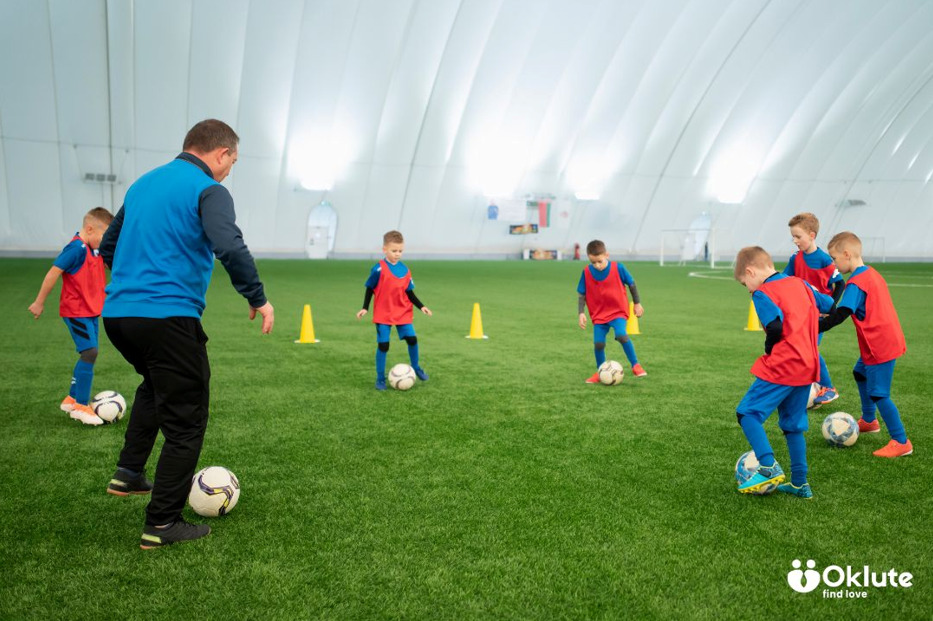
Teamwork Makes Individual Strength More Powerful
Some sports focus on individual performance, while others depend on a team. Even individual athletes rarely succeed alone. Coaches, trainers, relatives, teammates, and supporters often contribute to their development.
Team sports make this connection especially clear. Each player has a role, but no single person controls every part of the game. Team members must communicate, cooperate, and trust one another. Without those qualities, individual talent loses much of its power.
Teamwork Lessons That Apply to Everyday Life
Effective teamwork requires people to look beyond personal recognition. A player may need to pass instead of taking the final shot. Another may support a teammate after an error. These choices protect the team’s shared objective.
Workplaces, families, and communities operate in a similar way. People achieve more when they combine their strengths and support one another. Sport teaches this lesson through direct experience.
Sports Is Life: Physical and Mental Wellbeing
Regular physical activity can support both physical and mental health. According to the World Health Organization’s physical activity guidance, an active lifestyle can improve wellbeing and reduce several health risks.
Sport can also make regular movement more enjoyable. Football, swimming, cycling, tennis, and other activities combine exercise with personal goals. Many sports also create opportunities for friendship and social connection.
The NHS physical activity guidelines encourage adults to stay active throughout the week. However, people should choose activities that suit their fitness level and health needs.
Sport Develops Courage and Emotional Control
Competition creates pressure. Athletes must make quick decisions while managing fear, excitement, and uncertainty. With experience, they learn to stay calm and focus on the next action.
This emotional control becomes valuable in everyday life. People face interviews, examinations, difficult conversations, and unexpected problems. Sporting experience can help them approach these moments with a clearer mind.
Courage does not mean feeling no fear. It means continuing despite fear. Every difficult training session gives an athlete another chance to develop that courage.
Sports Is Life: Lessons Beyond Competition
The belief that sports is life becomes clearer when we look beyond trophies and medals. Sport teaches people to work hard without demanding immediate results. It shows them how to celebrate success without becoming careless. It also teaches them to accept failure without giving up.
Through sport, people develop patience when progress feels slow. They find courage when a challenge appears difficult. In addition, they learn that dignity and respect still matter during intense competition.
These qualities remain useful long after the final whistle. An athlete may stop competing, but the habits and values developed through sport can last for life.
Final Thoughts on Why Sports Is Life
Trophies, records, and medals represent achievement, but they tell only part of the story. The deeper value of sport lies in the person someone becomes while pursuing those achievements.
Sport provides a safe place to experience pressure, success, disappointment, and recovery. It teaches people when to push harder and when to change their approach. Above all, it encourages them to keep moving forward.
The playing field may provide the setting, but its lessons reach far beyond competition. That may be the strongest reason why sports is life.