



Human evolution is a tale of making food more palatable, accessible, and interesting to eat. In fact, a 2024 paper from Advances in Nutrition began by stressing that the “history of dietary habits is the history of humankind”.
Written by Bragazzi et al, the study goes on to list tool-making, the control of fire, fermentation, and agriculture as responsible for both physical and social changes in the story of our peculiar species of ape.
Of course, human societies are often separated by time and distance, meaning that exactly what we consume varies. The Mediterranean diet differs from Asian food habits today, for example.
Surprisingly, a few staples – like bread – crop up everywhere. One of those places is Ancient Egypt. This regal civilisation had a sweet tooth, and perhaps mercifully so. They ate a rather boring staple diet.
Cosmic Realms
Due to the visibility of some Ancient Egyptian traits in the historical record, like monument building and mummification, the ‘ordinary’ parts of life tend to get overlooked. Egyptians had a fascination with cosmic realms, the afterlife, and the power of the gods.
The wedjat eye, more commonly known as the Eye of Horus, is a good example of the latter. Representing the deity of the same name, as well as concepts like health and protection, the Eye has followed the Ancient Egyptians into the modern world – more specifically, into one of our own monoliths, the internet.
The Eye of Horus slot is a 5×3 reel game featuring well-known imagery such as the scarab. Horus is described as the “God of the Sky”, hinting at his multifaceted role in Ancient Egyptian mythology.
These grand references hint at wealthy people who dwelt in excess. Yet, ordinary people wore simple clothes made of linen and worked the fields alongside the Nile. It’s easy to infer that the pyramids required a legion of both skilled and unskilled labourers, too.
Porridge and Bread
So, what did these workers eat? The Ancient Egyptian diet consisted largely of porridge and bread. Poorer people supplemented the available menu with beans, onions, and garlic. Green vegetables were in good supply, and everything from leeks and lettuces to melons and radishes could be harvested wild.
Perhaps the major distinction between the rich and the poor was meat. The upper classes employed hunters to find all sorts of animals to devour, including giraffe, while the less well-off favoured poultry. A hedgehog also made a hearty meal in a pinch. They were cooked in clay, which removed the spikes when broken open.
The good news – for Egyptians, at least – was that they had access to many of the same preparation methods as we do. Grilled, roasted, and boiled foodstuffs would have kept diets somewhat varied.
Luxuries
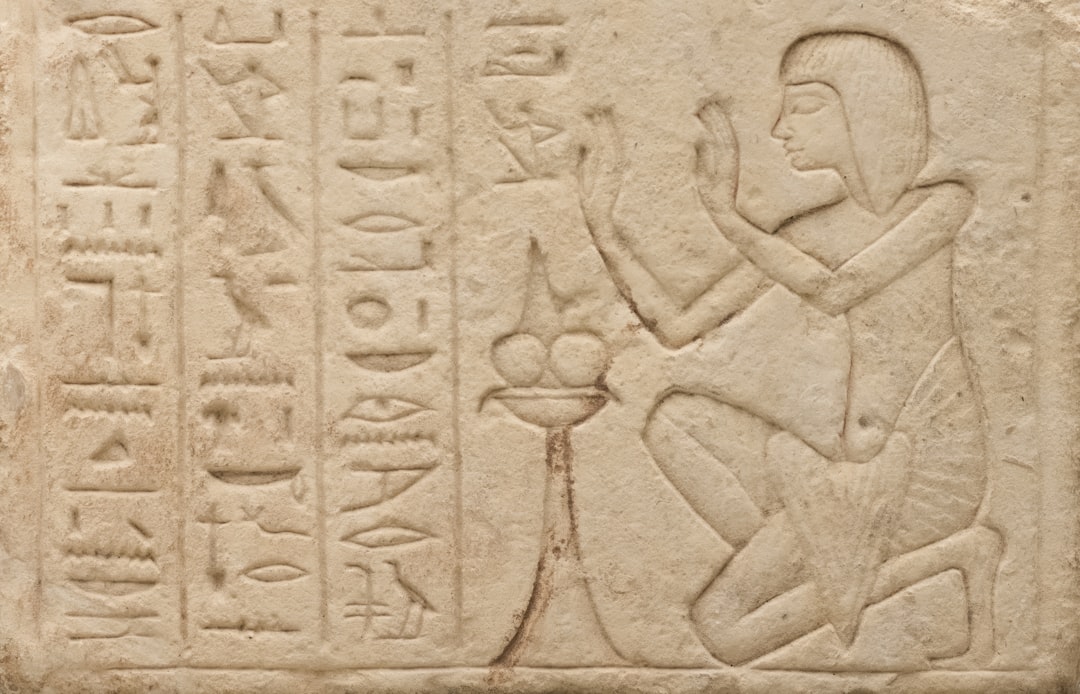
The obvious question to ask is, how do we know any of these things? The answer will be a familiar one to scholars of Ancient Egypt – hieroglyphics. The depiction of funerary practices on tomb walls often included the production and delivery of foods, including treats and grapes.
As mentioned, the Egyptians enjoyed sweet things, including cakes and syrups – all made with honey instead of sugar, which was still isolated in Asia.
Overall, Ancient Egyptian diets varied from something reminiscent of Medieval Europe – porridge and bread – to many things still considered luxuries today.