


The UK covers a lot of ground in a relatively small space. Within a few hours, the setting can shift from moorland and coastline to compact historic cities and dense urban neighbourhoods. That contrast is what makes it easy to build a trip that doesn’t feel repetitive, even over a short stretch of time.
This guide focuses on experiences that feel rooted in their surroundings. That might mean staying in a purpose-built holiday home in North Yorkshire, walking through York’s medieval streets, or following coastal paths in Cornwall that link one cove to the next. Each section highlights the country’s lifestyle and outdoor experiences, with practical context on how each area fits together.
Luxury Holiday Home Stays at Angrove
Angrove, just outside Great Ayton on the edge of the North York Moors, feels tucked away without being remote. The road to get there runs past farmland and low hills, and once you’re on site, everything opens up into wide views of the Cleveland Hills. Roseberry Topping is close enough to spot from most angles, and it’s an easy walk or short drive if you want to get up there early in the morning.
There are no resort-style setups here, as the layout leans toward space and privacy. Lodges are set apart, each with outdoor terraces for evening gatherings. For those thinking beyond a short stay, it’s worth taking a closer look at holiday homes for sale in North Yorkshire, particularly in developments like this where the setting carries much of the appeal. The surrounding area supports it too, with walking routes that begin close to the property and stretch out into the moors without the need to drive far.
From Angrove, it’s easy to reach places like Stokesley or head deeper into the North York Moors National Park. The A172 connects easily, and once you’re on the smaller roads, you start to get a better sense of how the landscape changes between farmland, woodland, and open moor.
Exploring Historic Architecture and Landmarks in York
York is compact enough to explore on foot, but it helps to explore it in sections. Starting near Micklegate and moving toward the city centre shows how the streets tighten as you approach the older core. The Shambles is often the first stop, but it’s more interesting to approach it from the side streets like Little Shambles or Coffee Yard, where it’s quieter and easier to take in the structure of the buildings.
York Minster sits at the centre of everything, and the open space around it makes it easy to orient yourself. From there, Stonegate leads back toward the river, passing through one of the busiest stretches of the city. The walk along the River Ouse, especially between Lendal Bridge and Skeldergate Bridge, gives a break from the narrower streets and shows a different side of York.
Exploring the city walls is one of the best ways to understand the layout. Walking a section between Bootham Bar and Monk Bar offers a raised view over the historic streets and the newer areas beyond. There’s no need to rush, and there are enough access points to step on and off along the way.
High-End Outdoor Living and Unique Glamping
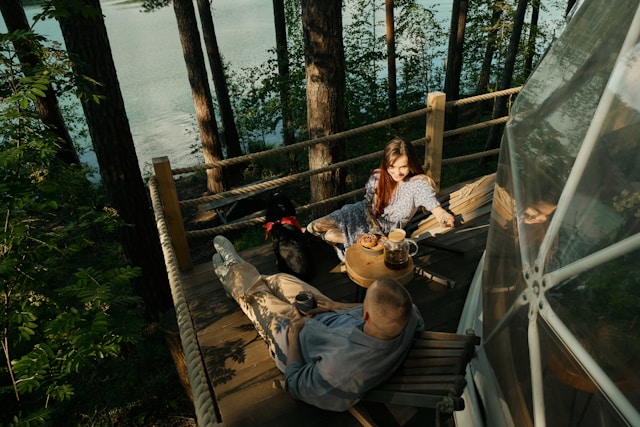
Glamping across the UK has shifted in recent years. It’s no longer about novelty but about how well a site is set up for spending time outdoors. In places like the Lake District or the fringes of Dartmoor, the best sites sit just outside the busiest areas, where you can still access walking routes without being caught in heavy foot traffic.
For anyone planning glamping holidays, it’s worth looking closely at how a site connects to its surroundings. Some are within walking distance of trailheads, while others rely on short drives to reach the main routes, and that difference shapes how the trip unfolds. Sites near Keswick, for instance, offer direct access to paths leading toward Derwentwater or Catbells, making early starts easier without needing to factor in parking.
Facilities vary, but higher-end setups usually include proper insulation, private outdoor space, and fully equipped kitchens. In areas like the Cotswolds, this often comes with access to footpaths that link small villages, so the experience naturally extends beyond the accommodation itself.
Coastal Hiking Trails and Hidden Coves in Cornwall
Cornwall’s coastline is best approached in sections rather than trying to cover too much ground. The stretch between St Ives and Zennor is a good example. The South West Coast Path here runs close to the cliffs, with uneven terrain that slows things down in a good way. It’s not a long distance, but it takes time because of the constant elevation changes.
Further south, around Lizard Point, the landscape changes again. Kynance Cove is one of the more well-known spots, but it is best to arrive early. The walk from Lizard Village down to the coast passes through open heathland before dropping toward the sea, and it’s one of the clearer routes if you’re trying to get a sense of the area without overcomplicating things.
Getting around Cornwall often comes down to combining short drives with longer walks. Roads can be narrow, especially around places like Coverack or Mullion, so it’s usually more practical to park once and explore on foot.
Navigating the Cultural and Artistic Hubs of London
Exploring London in sections is the most effective way to take in the city. Starting in Soho and moving toward Covent Garden works well on foot, with streets like Greek Street and Neal Street linking the two areas. From there, it’s a short walk to the Strand, which opens out toward the river and provides access to the South Bank.
Crossing via Waterloo Bridge places you near the Southbank Centre, and the riverside path runs past a series of cultural spaces without needing to step far from the Thames. Walking east from here takes you toward Tate Modern and then further along to Borough Market, which sits just behind London Bridge. Even without stopping for food, it’s a useful point of reference when navigating this part of the city.
The Underground fills in the gaps when distances stretch out. The Central Line connects areas like Notting Hill and Shoreditch, but once you’re above ground, it’s often better to continue on foot. Streets tend to reveal more when you’re not moving too quickly, especially in areas where older buildings sit alongside newer developments.
Which British region will you explore?
Deciding where to go in the UK usually comes down to the environment that feels easiest to settle into. North Yorkshire offers space and access to the moors, York keeps everything within walking distance, and Cornwall shifts the focus toward the coastline and longer outdoor routes. London, on the other hand, works through its neighbourhoods, with each area linking into the next in a way that becomes clearer once you’re there.
There’s no single way to approach these places. Some trips lean toward outdoor movement, while others stay closer to towns and cities. What matters is how well the route aligns with the setting, whether that means following a coastal path or moving between connected streets.