



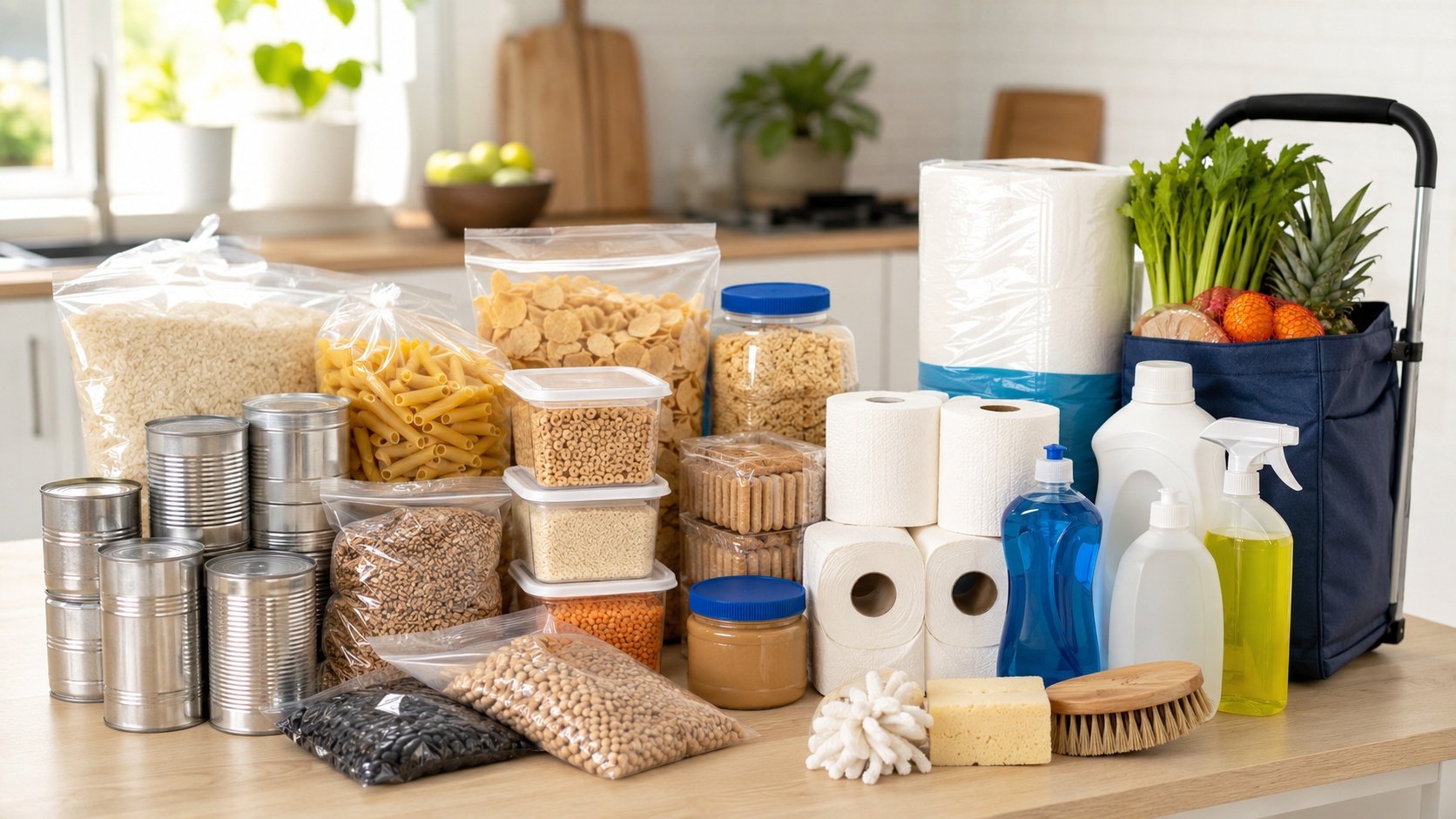
Bulk buying is a technique that homeowners can use to significantly reduce their grocery bills over time, as well as keep plenty of essentials on hand. But when you choose to bulk buy, it should be done with careful consideration. If you just start purchasing massive quantities of goods without a plan, you could end up spending more than you’d like to in one go and cluttering your home with goods you’ll struggle to use efficiently.
This article offers insights into better bulk buying, so you can make those big hauls go beyond even the benefits that you expected to get out of them. The overall point is balancing the upfront discounts with the practical reality of making these large purchases.
Considering the true cost of bulk buying
If you don’t think beyond the price tag when you buy in bulk, then you’ve already slipped up. You could get an amazing price on yoghurt, but if it goes off before you eat it, you’ve just thrown the money away.
- Consider whether you can use or consume the goods before they will go out of date. E.g. bulk batteries are likely more useful than bulk strawberries.
- Think about how much space you actually have. If you don’t have room in your house for those 96 rolls of toilet roll, then the purchase will offer seriously diminishing returns.
- Only make these purchases when you have the money to spare. You’ll feel stupid looking at a year’s supply of beef jerky if that purchase means you have to take a loan out for this month’s electricity bill.
These considerations are important before you start investing (and it is an investment) in bulk items.
How to prioritise bulk buying purchases
Not everything should be bought in bulk the same way. In fact, choosing to bulk buy products should be partitioned out for maximum efficacy.
Category A (high-value, fast-moving items). Things like meat, coffee or baby formula are to be bought on sale, portioned out and frozen or used immediately.
Category B (mid-priced, decent shelf life). Items like olive oil, canned goods or shampoo are perfect for standard bulk-buying to save cash without too much clutter.
Category C (low-cost, non-perishable items). Goods like toilet paper, batteries, bin bags, dry rice and dish soap rarely spoil, and they can easily be stored. They’re also always needed, so buy in as much bulk as you can afford and have space for.
The “ABC” method is essential whether bulk-buying online or in person at a vendor like Costco.
Set yourself up for success
It’s not just about prioritising your purchases. There are plenty of additional strategies that can make bulk buying all the more rewarding.
Make sure your household likes what you’re buying
If you’re purchasing something in a massive quantity, don’t part with your money until you know it’s going to agree with your household. No one wants to stare down 60 rolls of toilet paper if they know it doesn’t agree with them.
Organising your storage space
Your home, garage or shed should be set up, ready to store the bulk goods that you’ve invested in. Containers and airtight bins can be useful for space optimisation and organisation.
Utilise digital subscriptions
Services like Amazon offer “Subscribe & Save” options, meaning you can get more normal amounts of goods at a discounted rate. This is a middle ground between bulk buying and typical consumption.
These are the guidelines everyone should follow if they’re eager to make the most of a bulk buying system. By being considerate, prioritising purchases and setting your home up for success, you can save money and keep the scarcity of essentials firmly at bay.