



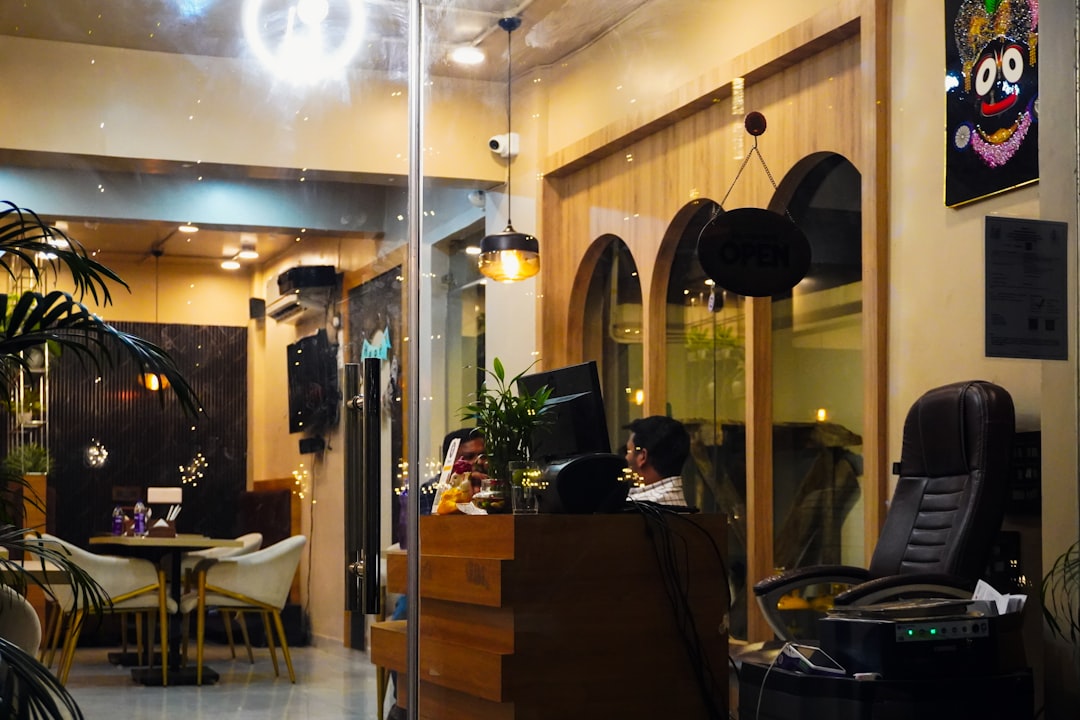
Everyone loves a nice, fancy meal now and then. There’s something very special about getting dressed up nice and going to sit in somewhere really upscale to enjoy the talents of a molecular gastronomy chef. It’s an event! However, for the general public, casual restaurants are much more of a community backbone. Those local spots where you can grab a plate of unpretentious food at a fair price help to make an area what it is.
Running a quick casual restaurant isn’t as laid back as the customer experience is, though. Beyond the demands of serving customers, handling concerns and all the back-of-house responsibilities, it’s also vital to establish a clear atmosphere. Interior design has a significant impact on psychology, which is why casual dining establishments have to be conscious in terms of furniture purchases and layouts.
This article will explore tips, such as finding the right ratio of space, planning for service, seating psychology and more, so casual eatery owners and operators can feel more confident building the perfect interior.
Being conscious of space usage
It’s vital to strike a balance when it comes to spacing in casual restaurant design. You want it to feel warm and bustling, without being over-seated and appearing like a work canteen. A good ‘golden rule’ to aim for is allocating around 12-15 square feet of space per customer.
Considering the use of smaller tables
When it comes to commercial tables, there are a lot of different directions you can go in. A lot of the clientele of casual and fast casual restaurants will come in twos, so it makes sense to populate the space with smaller tables. These can be pushed together for larger parties, which is more efficient than half-filling space-eating booths.
POS placement
You don’t want servers crossing through guest pathways to get to POS stations. Place service stations centrally, so servers can get to most of their tables in a matter of a few steps.
Unlike fancier restaurants, there’s little need for zone creation in casual dining settings, so aim for consistency and practicality. Yes, feel free to install some booths and bring in some barstools, but you don’t have to create a range of nooks and crannies.
Vital steps to establishing an atmosphere
Casual restaurant design doesn’t mean you can simply arrange some tables and chairs and be done with it. Curating the right atmosphere takes a range of steps and processes
- Lighting is an essential consideration, and should be balanced with task lighting, ambient installations and accent lights. Automated dimmers can make a difference in a dinner service.
- Colour psychology is very real. Make sure that furniture, decorations and wall paintings fit the vibe that you’re going for, while staying within your overarching brand identity.
- Be conscious of your acoustics, using wood, upholstery or acoustic clouds on the ceiling to ensure the space isn’t too noisy and people can enjoy conversation.
- Alongside the materials of the architectural features, you should also consider how the materials used on furniture will make a customer feel. Crushed velvet might be a little too upscale.
- The use of QR codes or tabletop ordering, integrated into your table design, can be a nice seamless use of a more casual dining practice in a classy way.
The devil is in the details when it comes to creating the atmosphere that will bring people back to your casual restaurant, so there can be no half measures in these efforts. Following these guidelines will give you the direction you need to start creating the ultimate casual eating experience for your guests.