



With enterprise resource planning (ERP) systems undergoing transformation to suit digital-first business requirements, large retailers are increasingly shifting from monolithic on-premise architectures to nimble, cloud-based ecosystems. At the forefront of this change is a seasoned SAP architect whose projects have bridged convoluted retail operations with latest ERP advancements.
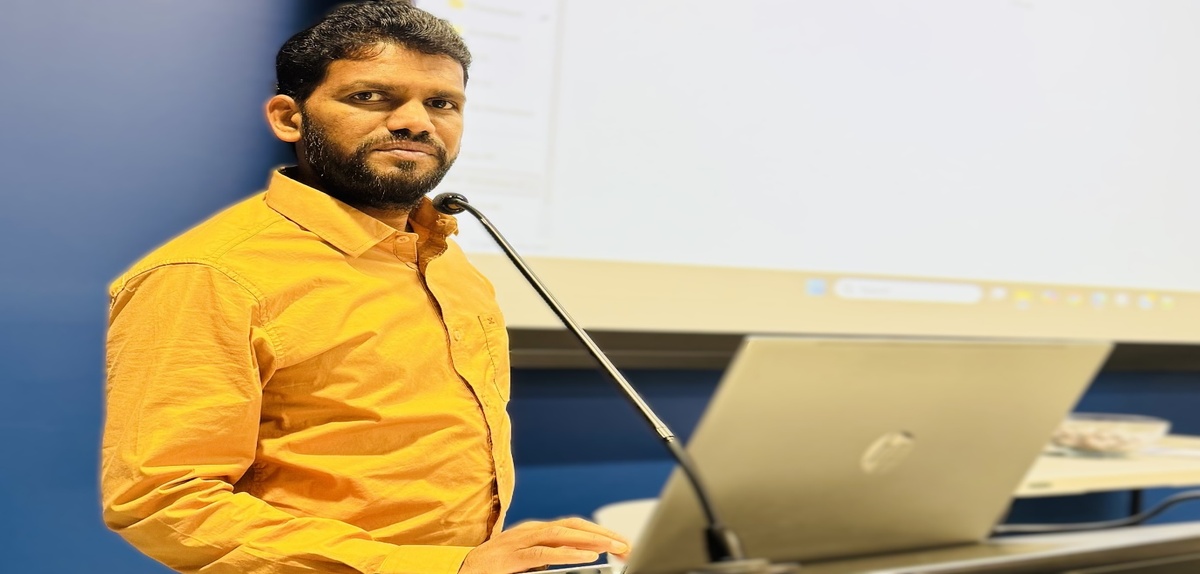
Naresh Kumar Rapolu, an expert in cloud solutions has been instrumental in changing the way retailers leverage SAP by spearheading key migrations and integrations that support real-time, data-driven business decisions. Among his greatest achievements was the migration of a multi-store retail chain from SAP ECC to SAP S/4HANA on Azure.
This migration, conducted without impacting existing business operations, allowed for transparent inventory synchronization among physical stores, e-commerce websites, and warehouses. “Real-time data isn’t a luxury anymore—it’s the baseline for survival in retail,” Kumar says.
His strategy is based on integrating SAP systems with external ecosystems. The professional integrated vendor APIs, POS systems, and customer portals with the SAP backend using SAP BTP, SAP CPI, and IBM DataPower. These actions enabled retail leadership to make quicker, smarter decisions, as well as enhance customer experience across sales channels. He connected cloud-based predictive models with the SAP Customer Activity Repository (CAR) to optimize demand forecasting and simplify fulfilment.
In addition to technical integration, he has emphasized automation of error-ridden and repetitive jobs. He deployed robotic process automation (RPA) on SAP BTP for processing purchase order validations and prices, improving accuracy and releasing operational capacity. His usage of SAP BTP’s Extension Suite enabled quick deployment of custom applications, such as a real-time loyalty tracking module and a dynamic pricing engine that responds to customer behaviour.
Kumar also implemented data archiving strategies with OpenText and DVM, which enhanced system response times by 30% and halved backup times. He also rolled out the SAP Cloud Transport Management System (CTMS), enhancing change traceability and slashing transport-related errors by 90%. His work in optimizing infrastructure on Azure and AWS resulted in 20% cloud cost reduction and doubling the speed of provisioning of development and QA environments.
Some of the notable projects showcasing his technical and strategic leadership are SAP cloud migrations with RISE with SAP, CI/CD-driven integration patterns through SAP CPI, and hybrid environment modernization through SAP Cloud Connector and Azure Identity Services. He also led a pivotal SAP system migration using SUM-DMO that reduced go-live downtime to less than 24 hours.
The expert has addressed critical challenges head-on. One such significant obstacle was the internal knowledge gap in cloud operations. He overcame this by organizing workshops and developing standard operating procedures, which hastened the cloud adoption roadmap. He also implemented OAuth2, SSO, and fine-grained access controls to enhance security in the SAP BTP ecosystem.
Looking ahead for ERP, Kumar comments, “The future isn’t one giant ERP system—it’s small, modular services connected by APIs.” As ERP offerings become more composable and interoperable, practitioners such as himself are influencing how today’s enterprises navigate scale, security, and speed within increasingly distributed ecosystems.