



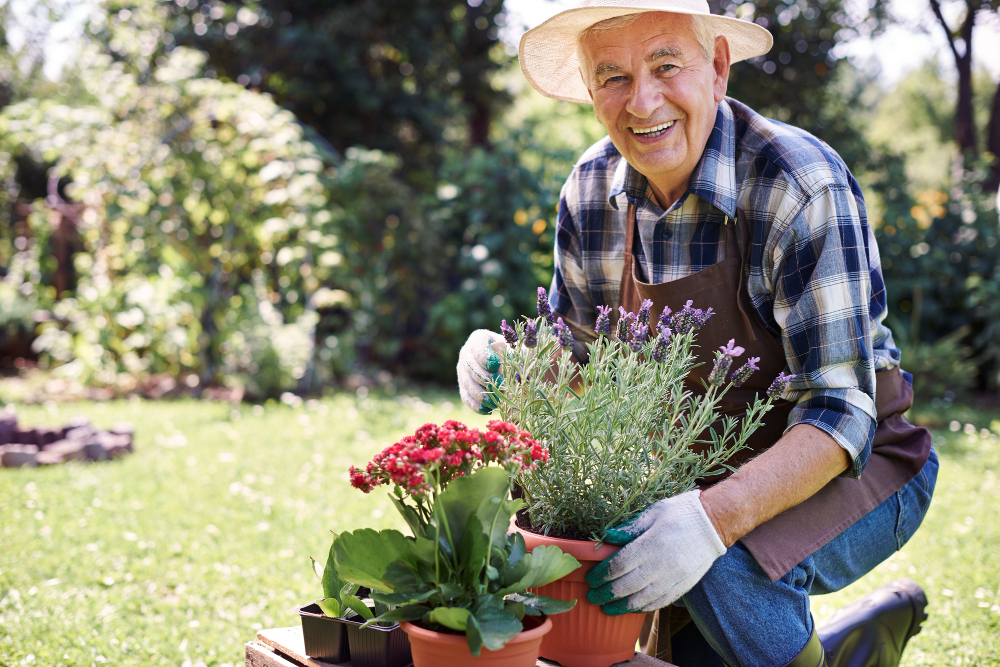
Former president of Northeastern Illinois University, Chicago, Gloria Gibson enjoys a range of pastimes in her spare time, chief among them gardening. This article will provide an overview of the key benefits of gardening for retirees.
For people of all ages, gardening can be a very satisfying outdoor hobby, awakening the senses by coaxing participants off the sofa and into the outdoors, interacting with nature. The mental and physical health benefits of gardening are numerous, particularly for seniors. Gardening can enrich the lives of retirees, instilling a sense of purpose and joy.
Gardening is an effective mode of exercise, helping participants to maintain flexibility and obtain moderate intensity cardio workouts. Gardeners also benefit from a valuable boost in vitamin D from sunlight, which has been shown to have an array of health benefits, helping to keep bones, teeth, and muscles healthy. Maintaining a healthy level of vitamin D has also been shown to reduce the risk of a variety of diseases and severe infections by supporting immune health. Vitamin D also helps regulate mood and reduce depression, and it can even encourage weight loss, according to some studies, which suggests a link between vitamin D deficiency and obesity. That said, when spending prolonged periods in the sun, it is important to wear sunscreen to protect the skin, even if it is overcast.
Planting seeds, weeding, and other forms of manual labor all help to strengthen the hands, keeping the fingers and hands supple to counter any rigidity. Gardening also encourages balance and coordination, diminishing the risk of falls and increasing the gardener’s ability to walk for longer distances. Gardening is a widely used form of rehabilitation for people with dementia. For individuals who were avid gardeners prior to their diagnosis, reigniting their interest can help them recall the passion that made them joyful in the past.
One of the great things about gardening is that it encourages healthy eating, instilling a lifelong habit of eating ample amounts of fresh fruit and vegetables. Gardeners who keep a vegetable plot are more likely to include vegetables in their diet, enjoying access to fresh, nutrient- and fiber-dense products that are growing increasingly expensive in stores.
When it comes to anxiety and stress, gardening can go a long way toward alleviating the symptoms. A paper published by ScienceDirect shows a correlation between gardening and the improvement of symptoms of stress and anxiety. Further research suggests that simply spending time outdoors can help lower heart rate and levels of the stress-inducing hormone, cortisol. In light of the findings, hospitals across the United States use gardening as rehabilitation therapy to help rebuild patients’ mental and physical health.
When it comes to gardening, size does not matter. From established courtyards to vast estates to balcony gardens, gardening in retirement is all about enjoying the outdoors and the opportunity to remain physically active. Gardening need not be restricted to the summer months. Indeed, fall and winter offer unique opportunities for gardeners keen to continue their activities year-round.
A time of preparation, fall is the time to clean up the garden as the leaves fall, deadheading flowers, tidying up borders, and preparing for the months ahead. It is also the time to start planting spring bulbs, providing a welcome burst of color once winter has passed. Planting snowdrops, witch hazel, and winter aconites can add interest to a garden in winter, too. Creating a bird-feeding station can also be a rewarding activity, providing much-needed food for birds and bringing life and movement to the garden, helping seniors to stay connected with nature during the winter months.