


There is a special kind of tension in the Europa League knockout stage. Older clubs, ambitious newcomers and clubs that save wobbly home seasons enter two-legged competitions in which a single slip will roll back months of effort. They may find the field less predictable in comparison to the Champions League; contrasts in style are more distinct, and unfriendly Thursday-night stadiums can turn favourites into underdogs.
The tournament starts with a 36-team league stage whereby every club will play eight teams. The eight best automatically go to the round of 16, though positions 9-24 go to the Europa League playoffs. Margins are reduced, the pressure increases, and unforgettable soccer matches are most likely to take place. This guide details the format, revisits the definition of ties and outlines matches which may define the Europa League 2026-27 season.
A gauntlet of giants and underdogs: understanding the knockout round play-offs
The play-offs of the knockout rounds are a match between the clubs that finish in ninth to 16th and the clubs that finish in 17th-24th positions. The more dominant teams get seeded and have to play against those in specific ranking pairs. All the ties are played home and away and aggregate score is the determiner of who makes it to the round of 16. Additional time and penalties will be used to decide matches in case of a draw after the second leg.
Those clubs that are ranked 25th to 36th are eliminated. Compared to the previous format, the eliminated teams in the Champions League league phase are not dropped to the Europa League knockout round. That provides the tournament with a more distinct identity and performance within its own table.
The format generates a conflict between pedigree and momentum. A renowned club that lacks automatic qualification can encounter a well-planned outsider with a sense of confidence and good record at home. No easy Europa League matches: seeded teams get an advantage and not immunity. Reputation should be evaluated using the evidence of fans, travelling, rotation, injuries, pressing resistance and second-leg venue.
Forged in fire: A look back at legendary knockout encounters
The highlight of Liverpool against Borussia Dortmund in 2016 is still the standard. Having drawn the first leg 1-1, Dortmund then scored twice within nine minutes at Anfield and went on to lead 3-1. Liverpool had to score three more goals and they did. Philippe Coutinho and Mamadou Sakho gave hope back and Dejan Lovren scored an extra-time goal, finishing a 4-3 win and 5-4 overall comeback.
Another shocking event in 2019 was provided by Slavia Prague. The Czech club had drawn 2-2 at Sevilla and prevailed 4-3 after extra time in the return, continuing to progress 6-5 over the most decorated club in the history of the competition. Swinging momentum, defensive mistake and a late goal grabber were some of the ways through which the tournament defied hierarchy.
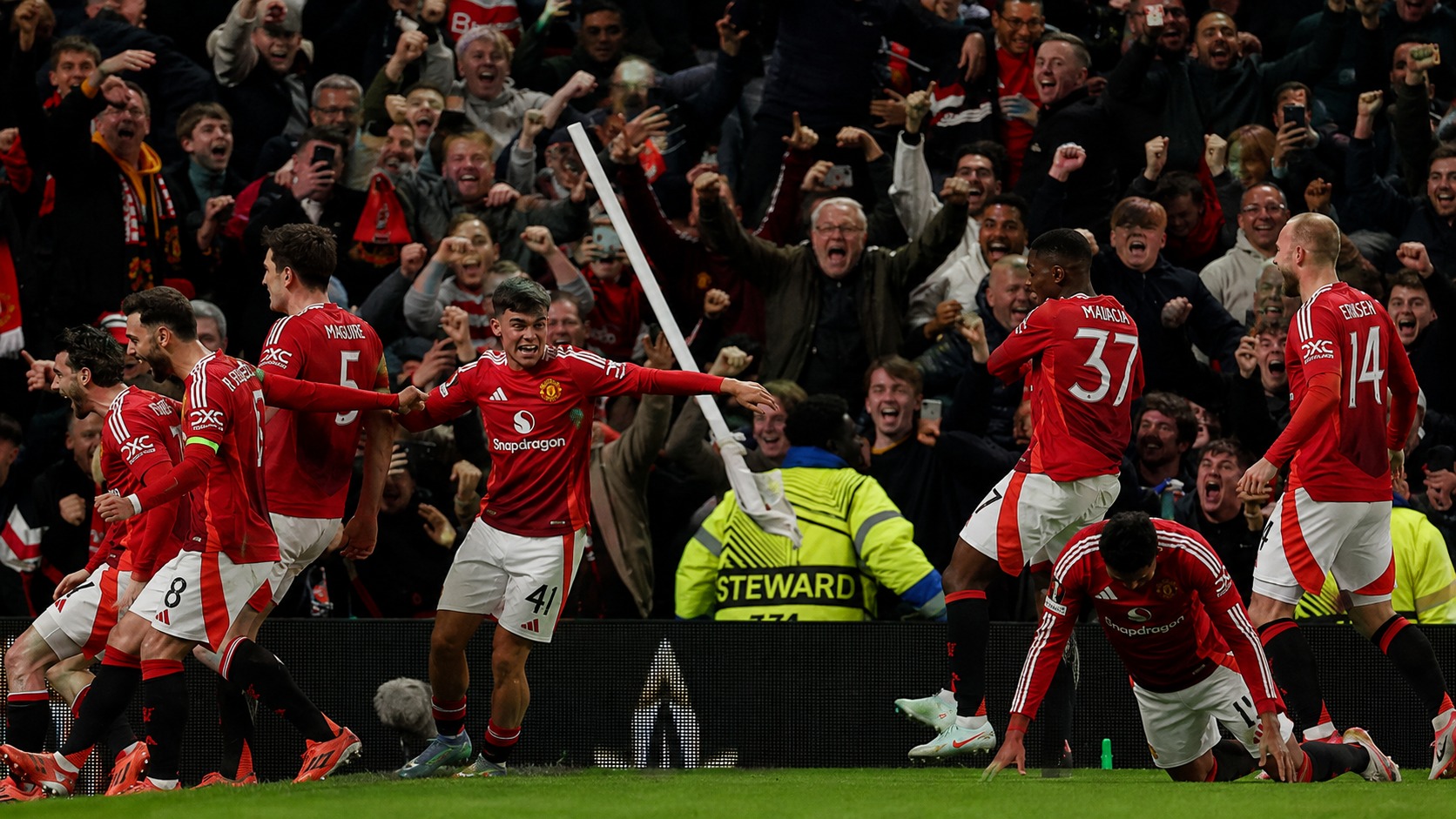
In 2025, another masterpiece was witnessed, this time featuring Manchester United and Lyon. They drew 2-2 in the first leg of their quarterfinal. United took a 2-0 lead at Old Trafford, and lost 4-2 in extra time, despite Lyon playing ten-men. A 5-4 victory and 7-6 aggregate to survive thanks to three goals in the last six minutes, the last of them, a header by Harry Maguire in the 120th minute.
Future classics: Potential blockbuster clashes to watch For
Prior to the UEL knockout draw, it is not possible to predict the pairings correctly. The following are the examples of the European soccer history, not the participants of the 2026-27. Nonetheless, some trends create tactical interest, extreme moods and predictable angles.
Clash of styles: Premier League ambition vs. La Liga expertise
Few matches between the two clubs, English and Spanish, are dull. The Premier League teams will heavily depend on pressing and pace, and physicality. La Liga teams like to have possession with patience, pay attention to what is going on and set up defensive formations carefully.
Manchester United, Tottenham Hotspur, Liverpool, Sevilla and Villarreal would be a sure draw for the football world should they face each other for a match, as each of them has had a great European run. It’s always a surprise to see Sevilla’s form in the competition and English teams are always looking for continental silverware.
The contrast in tactics makes for interesting matches that will allow loyal fans, sports fans, and those who want to make informed football predictions before kickoff to enjoy.
The dark horses: Under-the-radar teams that could cause an upset
Atalanta showed the importance of a coherent system by defeating unbeaten Bayer Leverkusen 3-0 in the 2024 final. Leverkusen had gotten to Dublin through systematic possession, late-game faith and dynamic placement.
Academy talent, midfield play and intimidating Lisbon atmosphere can be used as a threat by Sporting CP. Roma offers knockout experience, a pragmatic approach to tactics and a crowd that could change a second leg. These clubs are unlikely to draw the shortest outright odds, but unity can be more important than star power. Smart analysis isolates identifiable names and teams whose structure withstands the pressure.
How to follow the action: Key dates and viewing info
The Europa League 2026-27 knockout stage starts following the league stage, which runs to the end of January 2027. Knockout round play-offs will be held in February, the Round of 16 in March, and the quarterfinals, semifinals and final will be played to determine the champion.
The competition will be streamed on Paramount+ and CBS Sports Network in the United States, and there will be expert previews, match analysis and updates on Europa League fixtures all season long. Every season, the Europa League knockout stage guarantees drama, top-level soccer, tear-jerking moments and some of the greatest European soccer entertainment in the world, whether it’s for the old guards or new entrants.