


The debate over UK hospitality VAT has returned to the centre of attention as hundreds of restaurants, pubs, hotels and industry leaders call for a permanent reduction in the tax charged by hospitality businesses.
More than 800 hospitality operators and well-known chefs have reportedly backed a campaign asking the government to reduce the sector’s VAT rate from 20% to 10%. Supporters argue that the change would help businesses manage rising operating costs, protect jobs and keep more venues open.
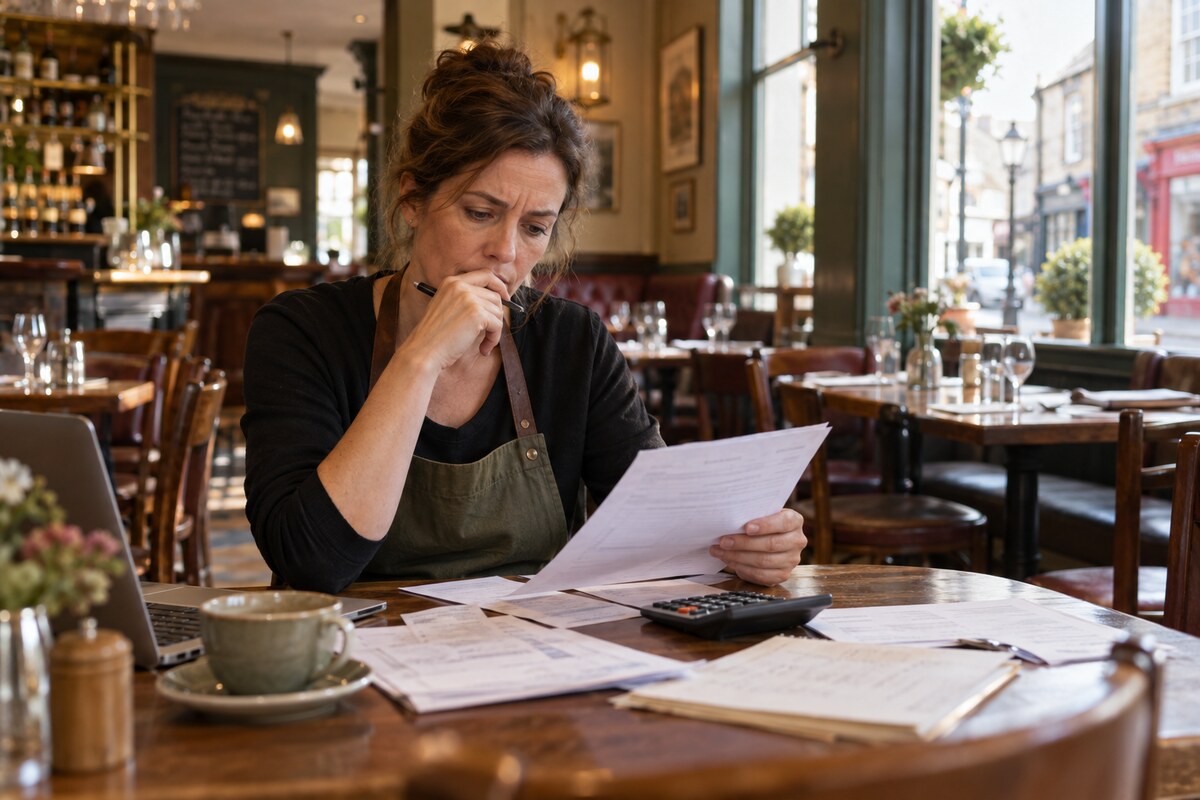
The campaign arrives at a difficult time for the sector. Hospitality businesses continue to face pressure from food prices, energy bills, wages, rent and business rates. For many independent venues, the question is no longer simply whether profits will fall, but whether the business can continue trading.
What is the current UK hospitality VAT rate?
The standard VAT rate in the UK is 20%. It generally applies to restaurant meals, hot takeaway food, alcoholic drinks, hotel accommodation and many other hospitality services.
The way VAT works can create a noticeable difference between eating at home and eating out. Most basic food purchased from a supermarket is zero-rated, while meals served in restaurants, cafés and pubs are generally subject to the standard rate.
Hospitality representatives say this places venues at a disadvantage because their prices also need to cover staffing, preparation, service, heating, lighting and the use of physical premises.
Businesses do not simply add VAT to a meal without consequences. Customers usually judge the final price shown on the menu. When operators cannot raise prices without losing customers, part of the additional cost may have to be absorbed through a reduced margin.
Why are hospitality businesses asking for a VAT reduction?
The latest campaign calls for UK hospitality VAT to be reduced from 20% to 10%. More than 800 businesses are reported to have supported the appeal, alongside prominent chefs including Angela Hartnett, Heston Blumenthal and Tom Kerridge.
The wider petition associated with the campaign has attracted more than 370,000 signatures. Supporters argue that hospitality is particularly exposed to VAT because it is labour-intensive and businesses cannot reclaim VAT on employee wages.
The campaign also reflects wider concern about closures. UKHospitality previously published modelling suggesting that as many as 2,076 hospitality venues could close during 2026 without additional government support. That would be equivalent to approximately six closures every day.
These remain industry projections rather than confirmed closure totals, but they illustrate the level of concern among operators. Independent restaurants and pubs are especially vulnerable because they often have less purchasing power, smaller financial reserves and fewer locations across which to spread costs.
UK hospitality VAT compared with selected European countries
Campaigners frequently point to lower hospitality tax rates elsewhere in Europe. A direct comparison is not always simple because countries can apply different rates to restaurant food, alcoholic drinks, takeaway orders and hotel accommodation.
However, selected examples demonstrate why UK operators believe the current system is comparatively demanding.
| Country | Typical restaurant food VAT rate | Important distinction |
|---|---|---|
| United Kingdom | 20% | The standard rate generally applies to restaurant meals |
| Germany | 7% | The reduced rate applies to restaurant food from 2026; drinks may be treated differently |
| France | 10% | Commonly applied to qualifying restaurant and catering services |
| Italy | 10% | The reduced rate generally applies to restaurant services |
| Spain | 10% | The reduced rate generally applies to restaurant and catering services |
| Ireland | 13.5% | Hospitality treatment depends on the product or service |
These figures provide a useful snapshot rather than a complete tax guide. Each country has its own rules and exceptions, particularly for alcohol and takeaway products. Businesses should always check current tax guidance before making financial decisions.
The broader comparison nevertheless shows that several European countries apply reduced rates to at least part of their hospitality sector. The UK currently applies its 20% standard rate to most comparable services.
Germany is a notable recent example. From January 2026, the country reduced VAT on restaurant and catering food from 19% to 7%, although beverages are generally excluded from that reduced treatment. Wider European VAT rate analysis shows how standard and reduced VAT rates vary across the continent.
Would a VAT reduction make eating out cheaper?
A reduction would not automatically guarantee that every restaurant or pub lowers its prices.
Businesses could use the difference in several ways. Some might reduce menu prices, while others could keep prices stable and use the additional margin to cover wages, energy costs, supplier increases or investment. Operators facing serious financial pressure might use the relief simply to remain open.
The result would therefore depend on competition, local demand and the financial position of each business.
Customers could still benefit even when prices do not immediately fall. A more stable hospitality sector may mean fewer closures, more local employment, greater menu choice and continued investment in neighbourhood high streets.
A VAT reduction could also give businesses more confidence to recruit employees or extend opening hours. However, the total effect would depend on how the policy was designed and whether it applied to food, drinks, accommodation or the entire hospitality sector.
Why closures matter beyond individual businesses
When a restaurant, café or pub closes, the effect extends beyond its owners. Employees lose work, suppliers lose customers and nearby businesses may experience lower footfall.
The hospitality sector remains an important part of the British economy. According to the UK hospitality sector statistics published by the House of Commons Library, the industry includes restaurants, pubs, hotels, cafés and other businesses operating across the country.
Hospitality venues often help make town centres and local neighbourhoods active outside normal retail hours. They also support tourism, events and the wider visitor economy.
FEAST has previously examined the challenges facing UK hospitality venues, and the VAT debate shows that the industry’s recovery remains uneven. Although customer demand may be present, strong sales do not always translate into sustainable profits when operating costs continue to rise.
The sector also provides entry-level employment and career opportunities for young people. Campaigners therefore present VAT reform as an employment and high-street issue, rather than only a request for tax relief.
What would a 10% hospitality VAT rate cost?
Reducing the rate would involve a substantial immediate cost to the Treasury. An independent analysis by Tax Policy Associates estimated that cutting hospitality VAT to 10% could cost approximately £12 billion, although the final figure would depend on the exact scope of the policy and changes in economic activity.
Supporters argue that part of the cost could be recovered through stronger sales, increased employment, business survival and additional tax receipts elsewhere. Critics may question whether the benefits would be passed to customers or whether a broad reduction would provide unnecessary support to large and profitable operators.
This creates a central policy question: should relief apply across the entire sector, or should it be targeted at smaller venues, food sales, accommodation or businesses facing the greatest pressure?
What happens next?
The hospitality industry is now looking for a clear response from the government. More than 800 businesses have called for details of how a lower VAT rate could be introduced, with the campaign seeking a permanent rate of 10%.
For now, the standard UK hospitality VAT rate remains 20%. Restaurants, pubs and hotels must continue operating under the existing rules unless the government formally announces a change.
The political debate is unlikely to disappear quickly. With operators warning about closures and European comparisons continuing to attract attention, VAT is set to remain one of the most closely watched issues facing British hospitality.
Whether the government chooses a permanent reduction, targeted support or no major change, the decision could influence menu prices, employment and the future of venues across the country.