



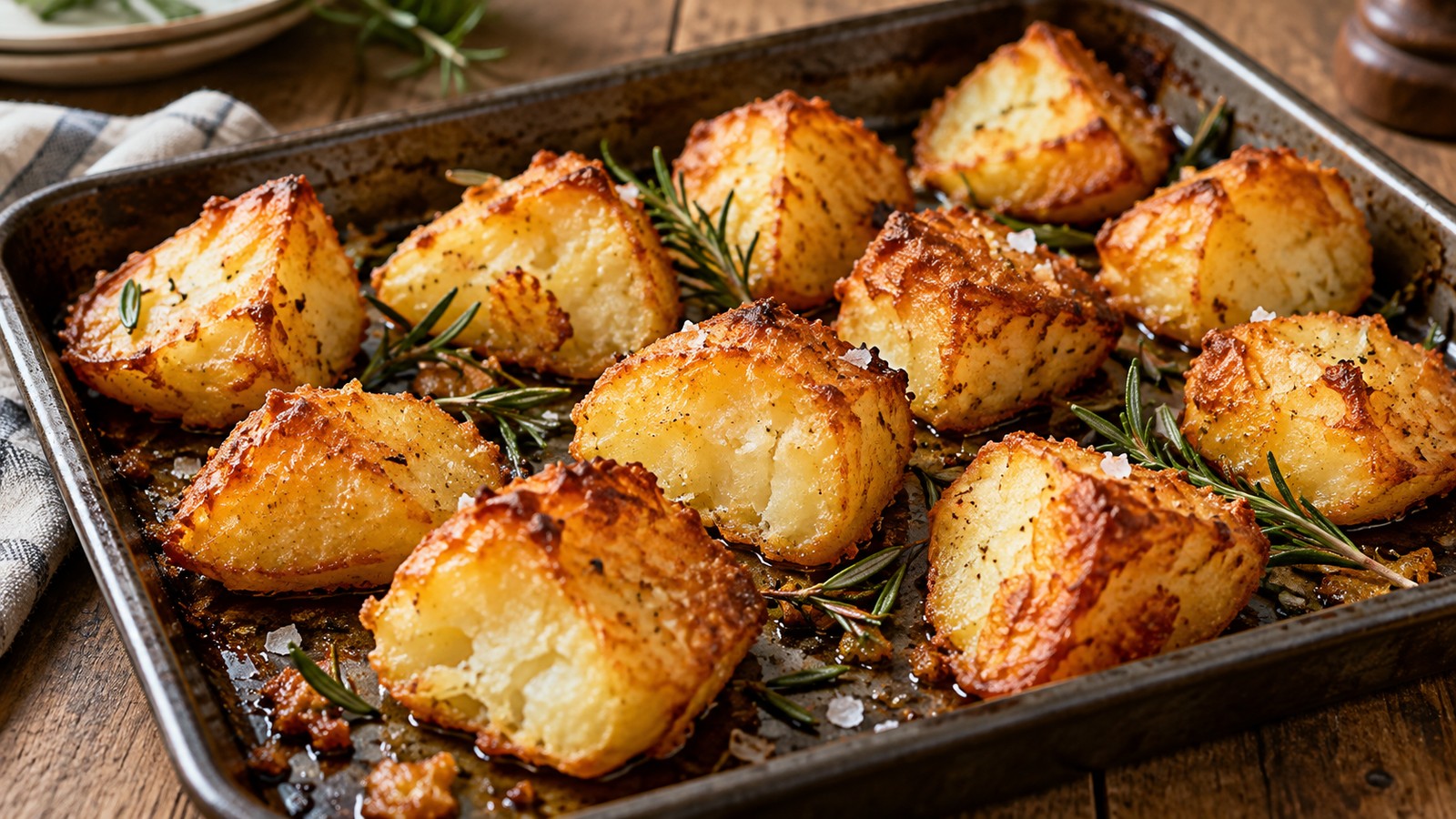
Fazal, FEAST ke liye “Why Are My Roast Potatoes Not Crispy?” choose kiya hai—UK Sunday roast aur Christmas cooking dono ke liye relevant hai. Neeche complete article aur SEO details hain.
SEO title: Roast Potatoes Not Crispy? 7 Mistakes to Fix
Focus keyphrase: roast potatoes not crispy
Slug: roast-potatoes-not-crispy
Meta description: Roast potatoes not crispy? Check potato varieties, drying, tray space and cooking technique for golden edges and a fluffy centre.
Category: Food & Drink
Tags: roast potatoes, Sunday roast, British cooking, Christmas dinner, cooking tips
Excerpt: Pale, soft roasties can spoil an otherwise lovely dinner. These practical checks help you identify what went wrong before your next Sunday roast.
Roast Potatoes Not Crispy? 7 Mistakes to Check Before Your Next Sunday Roast
Roast potatoes not crispy, even after a long spell in the oven? Before adding more oil or turning up the temperature, check the preparation. The potato variety, surface moisture and space in the roasting tray all deserve attention.
You know the disappointment: the gravy is ready, everyone is sitting down, and the potatoes emerge looking pale rather than golden. Some pieces have caught at the corners, while others have hardly developed a crust.
The useful approach is to work backwards through the process. Here are seven checks to make before your next batch.
Why Are My Roast Potatoes Not Crispy?
Common problems include potatoes going into the tray too wet, overcrowding and insufficient preparation of the surface. A floury variety, a properly dried exterior and a single layer in the tray provide a better starting point for crisp roasties. Jamie Oliver’s roast-potato guidance highlights variety, roughened edges and tray space as key considerations. Jamie Oliver
| What went wrong | What to review next time |
|---|---|
| Pale, soft surfaces | Drying and oven preparation |
| Uneven results | Piece size and tray arrangement |
| Smooth, firm exterior | Potato variety and parboiling |
| Pieces collapse before roasting | Parboiling time and handling |
| Crisp at first, then soft | Serving arrangements and waiting time |
1. Choosing Potatoes Without Checking the Variety
Start with the bag rather than the oven dial.
For a traditional roast potato with a fluffy centre, floury varieties such as Maris Piper or King Edward are useful choices. Jamie Oliver recommends both for this style of roastie. Jamie Oliver recipes
When shopping, look for the named variety or a pack labelled as suitable for roasting. Keep a note of what you used, particularly if you are comparing different methods.
You can enjoy roasted new potatoes too, but they produce a different eating experience. Decide whether you want a firmer potato or the fluffy centre associated with a classic Sunday roast before choosing your recipe.
2. Rushing the Parboiling Stage
Parboiling prepares the outside of the potato before roasting. However, timing needs to suit the size of the pieces and the recipe.
Love Potatoes advises checking for a softened exterior while the centre remains firm. That is more useful than assuming every batch needs exactly the same number of minutes. lovepotatoes.co.uk
Cut larger potatoes into reasonably similar pieces. Then check their condition as they cook.
If they are already breaking apart when you drain them, reduce the parboiling time for the next batch. Handle softened potatoes gently rather than repeatedly tossing them.
3. Putting Wet Potatoes Straight Into the Tray
If your roast potatoes are not crispy, look closely at what happens after draining.
Give the potatoes time to release steam before coating them in fat. Love Potatoes identifies drying as an important part of preparing the surface for roasting. lovepotatoes.co.uk
Build this pause into your cooking plan. While the potatoes drain, prepare the tray or organise the vegetables.
Avoid treating drying as an optional step simply because the rest of dinner is running late. Starting a few minutes earlier makes it easier to follow the method properly.
4. Leaving the Surface Completely Smooth
A softened, slightly rough exterior gives roast potatoes their familiar craggy edges.
After draining and drying, a gentle shake can loosen the cooked surface. Stop before the pieces begin falling apart. Both Jamie Oliver and Love Potatoes include roughening the exterior in their guidance. Jamie Oliver
There is no need to keep shaking until every piece looks identical. Aim for intact potatoes with some textured edges.
If this stage repeatedly turns into mashed potato, revisit the parboiling rather than trying to rescue the pieces with extra flour or fat.
5. Overcrowding the Roasting Tray
Cooking for extra people often means putting more potatoes into the same tray. Check whether they still fit in one layer.
Jamie Oliver recommends keeping roast potatoes in a single layer rather than stacking them. His guidance suggests cooking another batch if necessary. Jamie Oliver
Before you start, place the uncooked pieces in the empty tray to judge the space. This simple check helps you decide whether you need a second tray or a different menu arrangement.
For a larger gathering, plan the whole meal around the oven capacity. FEAST’s Bonfire Night food ideas include a different approach to organising a relaxed seasonal menu.
6. Mixing Instructions From Several Recipes
One recipe starts with a heated tray. Another uses a different temperature, larger pieces and a longer cooking time. Combining selected steps can make the result difficult to judge.
Choose one complete method and follow its instructions for potato size, tray preparation and oven setting. Check whether the temperature refers to a fan oven or a conventional oven.
For example, Delia Smith’s roast-potato method specifies a shallow roasting tray and preheated fat. Use the full method if you choose it, rather than borrowing only its cooking time. Delia Smith
Keep a brief note of any changes you make. “Larger pieces, same cooking time” is useful information when reviewing a disappointing batch.
7. Leaving Finished Roasties Waiting Too Long
Roast potatoes deserve a place in the serving plan.
Delia Smith advises serving them promptly because they lose their crunch while waiting. Delia Smith
Before their final cooking stage, check that serving dishes, plates and the rest of the meal are nearly ready. Bring people to the table before transferring the potatoes.
Serve gravy separately so everyone can add their preferred amount when eating.
If a full roast feels too demanding for a busy evening, FEAST’s easy autumn dinner ideas offer alternatives for the weekly menu.
A Simple Checklist for Your Next Batch
Before cooking, check that you have:
- A potato variety suited to your chosen recipe.
- Pieces of reasonably similar size.
- Enough time to parboil and dry them.
- A tray large enough for one layer.
- Clear instructions for your oven type.
- A serving plan that avoids a long wait.
Change one part of the process at a time. That makes it easier to identify whether drying, preparation or tray space was responsible.
Frequently Asked Questions
Why are my roast potatoes not crispy despite cooking for longer?
Review drying, tray space and preparation before adding more cooking time. A longer roast alone may not correct an overcrowded tray or an unsuitable method.
Which potatoes should I buy for a Sunday roast?
Maris Piper and King Edward are established choices for fluffy-centred roast potatoes. Check the variety on the packaging. Jamie Oliver recipes
Should I boil potatoes before roasting?
Parboiling is a common step in traditional roast-potato methods. Follow your chosen recipe and check the texture rather than relying on time alone. lovepotatoes.co.uk
Can I use oil instead of goose fat?
Yes. Jamie Oliver’s guidance includes oil options. Choose a complete recipe using the fat you prefer and follow its method. Jamie Oliver recipes
Why do my potatoes lose their crunch before dinner?
Review how long they wait after cooking. Plan to serve them promptly, with the other dishes ready. Delia Smith