



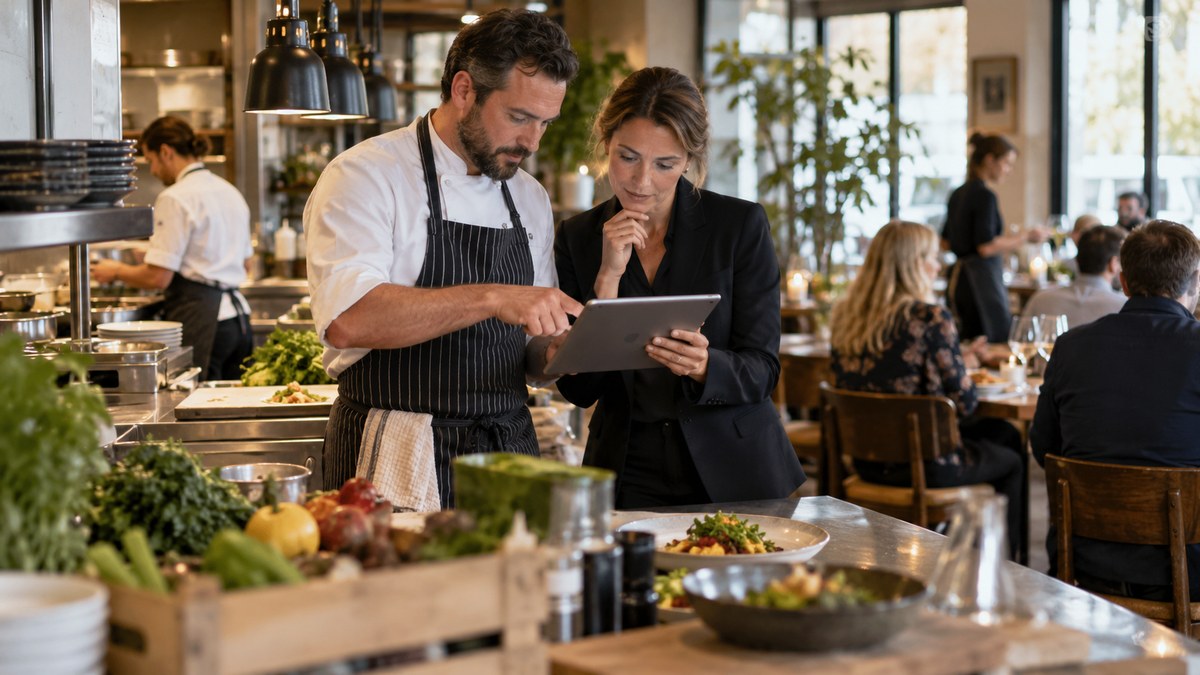
Independent restaurants, food producers and hospitality technology companies often have worthwhile stories to tell, but getting those stories in front of the right readers is not straightforward. A new booking system, lower-waste kitchen process or direct-to-consumer product launch may be genuinely useful, yet it can disappear among generic announcements and social posts. Editorial coverage works differently: it asks whether the story offers readers a practical idea, a meaningful development or a perspective they cannot get from a sales page.
Why food and technology stories need a clear angle
Food businesses increasingly operate as technology businesses as well. A small bakery may use pre-order software to reduce waste. A restaurant group may analyse booking patterns to staff its busiest services better. A producer may use temperature monitoring during delivery to protect product quality. These are not merely operational details. When explained clearly, they can reveal how an industry is changing.
The difficulty is that an editor does not need a list of product features. They need a story with relevance beyond one company. A piece about a café adopting digital ordering becomes more useful when it examines the effect on queues, accessibility, staff workload and customer choice. FEAST Magazine’s article on how digital systems are changing restaurant operations provides a practical example of this wider operational angle. A story about kitchen automation becomes more interesting when it considers which tasks should remain in human hands.
Before approaching a publication, it helps to identify the question behind the news. For example:
- What problem in food service does this development address?
- Who is affected: diners, chefs, suppliers, delivery riders or independent operators?
- What evidence shows that the issue is real rather than fashionable?
- What can a reader learn even if they never use the product or visit the venue?
Those questions keep a proposed article rooted in the reader’s interests. They also prevent a common mistake: treating editorial space as though it were a brochure.
Useful coverage begins with the right publication
A food trade site, local dining magazine, hospitality newsletter and technology publication may all cover the same business in very different ways. A local title may be interested in jobs, sourcing and a neighbourhood opening. A technology publication may want data security, interoperability or the limits of automation. A food magazine may focus on how a tool changes the quality, consistency or experience of eating.
Relevance therefore matters more than volume. Sending the same message to dozens of unrelated websites is unlikely to build a lasting reputation, and it can make a business appear careless. A more considered approach is to read recent articles, note the publication’s audience and identify where a contribution would add something new.
For organisations that do not have the time to research publications and manage editorial conversations themselves, a guest post outreach service can support the practical side of placing expert-led content. The important point is not simply gaining a mention. It is matching a well-prepared article to a publication where the subject genuinely belongs.
What makes a guest contribution worth publishing
Editors receive plenty of submissions that begin with a company introduction and end with a request for a link. That structure gives readers little reason to continue. A stronger contribution leads with insight, then uses the writer’s practical experience to support it.
Consider a restaurant technology founder writing about stock control. Instead of declaring that their platform is efficient, they could explain why ingredient forecasts fail during unpredictable weather, local events or sudden menu changes. They might outline what a kitchen needs before placing an order, the limits of automated predictions, and the role a chef still plays in judging quality. The company’s experience informs the article, but does not dominate it.
Useful formats for food and technology publications include:
- Practical explainers on new systems, such as allergen-management tools or digital traceability.
- First-hand lessons from a restaurant, producer or supplier that changed one part of its operation.
- Balanced analysis of a trend, including costs, limitations and likely consequences.
- Seasonal guidance, where operational advice is tied to a genuine moment in the food calendar.
- Interviews or reported pieces that include more than one viewpoint.
Specificity is essential. “Technology is transforming hospitality” is too broad to be useful. “How smaller restaurants can introduce table ordering without excluding guests who prefer staff interaction” is a subject readers can assess, challenge and apply.
Accuracy matters especially in food publishing
Food coverage carries responsibilities that go beyond marketing. Claims about nutrition, allergens, sustainability, food safety and cost savings need care. An unsupported claim can mislead readers and damage the credibility of both the writer and publisher.
Writers should distinguish between observed results and wider facts. If one restaurant reduced discarded produce after changing its ordering process, say that this happened at that restaurant under those conditions. Do not present it as proof that every venue will achieve the same result. Where regulation or public health is involved, use reliable sources and avoid implying legal or medical advice.
The same applies to artificial intelligence. AI tools can assist with reservations, menu planning, customer messages and forecasting, but they can also introduce errors, biased assumptions and privacy concerns. An honest article explains what a tool can do, what it cannot decide safely, and where human review remains necessary.
Links should support the reader, not interrupt the article
A link is most useful when it takes the reader to further information that directly relates to the surrounding sentence. It should not arrive in the middle of an unrelated paragraph or rely on vague phrases that hide its destination. One relevant resource is usually more credible than several forced references.
For food businesses, this principle also applies to their own websites. If an article discusses a new farm-to-table delivery model, readers should be able to find clear details about sourcing, delivery areas and pricing once they follow through. If the piece discusses restaurant software, a visitor should find transparent information about compatibility, support and data handling.
Editorial visibility is a long-term practice
A single published article rarely changes a brand’s position overnight. Its value is cumulative. Consistently useful contributions can help a chef become known for informed commentary on sourcing, a supplier for practical knowledge of logistics, or a technology team for a realistic understanding of hospitality’s daily pressures.
The strongest food and technology coverage respects the reader’s time. It brings a clear subject, acknowledges complications and leaves the audience with a sharper understanding of an issue. When outreach is built around that standard, publication becomes more than a placement exercise. It becomes a way to contribute something worthwhile to the wider conversation around how food is made, served and experienced.