



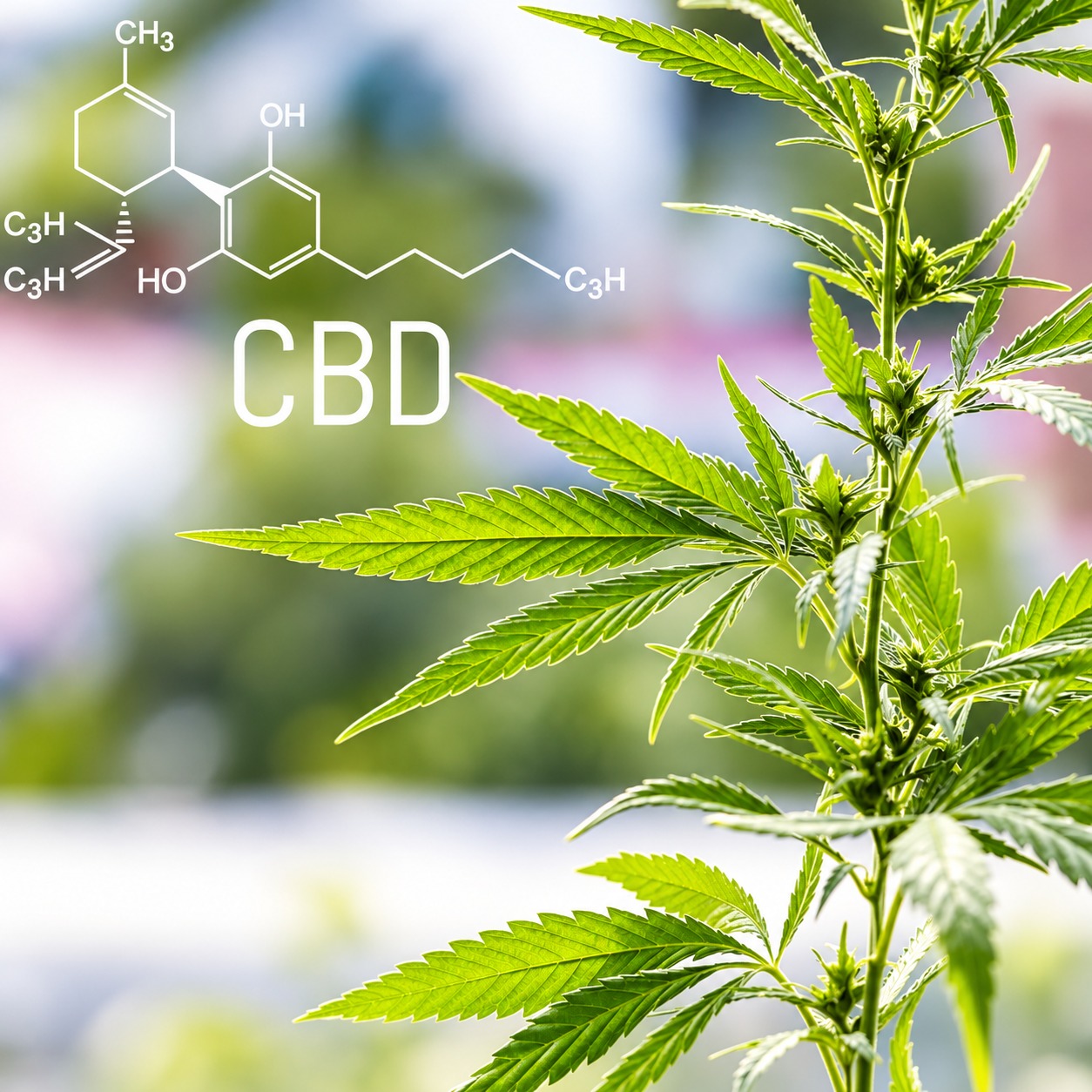
CBD oil has moved firmly into the mainstream. It is stocked by high-street pharmacies, health food shops and countless online stores, yet products still differ widely in spectrum, strength, ingredients and how openly they are tested. For first-time buyers, that variety can be genuinely confusing, and marketing language rarely helps. This guide sets out a simple, UK-focused framework for choosing well: what the rules actually say, how to read a label and a lab report, and how to pick a format that fits your everyday routine.
Why CBD oil quality varies so much
Part of the confusion comes from the way CBD is regulated. CBD extracts are classed as a novel food in the UK, which means they require Food Standards Agency (FSA) authorisation before they can be sold legally. According to the official GOV.UK CBD guidance, no CBD extracts or isolates have yet received full authorisation. Instead, the FSA maintains a public list of products that were on sale before a set deadline and have applications in progress, marked with statuses such as “Validated” or “Awaiting evidence”.
The practical takeaway is that availability on a shelf or a website is not, on its own, a quality signal. It is worth checking whether a brand engages openly with the process. Bristol CBD, a UK brand trading since 2017, states that its CBD Oil range appears on the FSA’s Novel Foods list, uses organically grown hemp and publishes independent lab results alongside its products. That combination of regulatory openness and visible testing is exactly what buyers should look for from any supplier, established or new.
Full-spectrum vs broad-spectrum CBD explained
Most CBD oils fall into one of two camps, and the labels are not always explained well.
Full-spectrum oil is a whole-plant extract: it contains CBD alongside other naturally occurring cannabinoids and aromatic compounds called terpenes. Full-spectrum oils sold in the UK contain only trace amounts of THC, which is not enough to produce an intoxicating effect. Some researchers believe these compounds may work better in combination, a theory known as the “entourage effect”, though the evidence so far remains limited.
Broad-spectrum oil keeps many of the same plant compounds but has the THC removed entirely, so it may suit people who prefer to avoid even trace amounts. Neither version is objectively better; the choice comes down to personal preference. Bristol CBD’s full-spectrum Whole-Plant and Gold oils and its broad-spectrum range show how the two typically sit side by side within one brand.
CBD oil strengths explained
Strength labels are easy to misread. A bottle marked “1,000 mg” contains 1,000 mg of CBD in total — not per drop. In a standard 10 ml bottle, that works out at roughly 5 mg per drop, depending on drop size, while a percentage figure such as “10 per cent” simply describes the concentration. Comparing products on the amount of CBD per serving, rather than bottle size or headline numbers, makes strengths far easier to judge.
Whatever strength you choose, the FSA’s safety advice is the anchor point. It recommends a provisional acceptable daily intake of 10 mg of CBD per day for healthy adults — a precautionary figure published in October 2023, while safety reviews continue. The agency also advises that under-18s, people who are pregnant or breastfeeding and anyone taking medication should not use CBD unless under medical direction.
Within those limits, many customers choose to begin with a small amount and adjust gradually, always staying inside the recommended daily figure.
What to check on a Certificate of Analysis
“Third-party lab tested” is among the most common claims in the CBD market — and one of the easiest to verify. A Certificate of Analysis, or CoA, is a report produced by an independent laboratory, and reputable brands publish theirs openly.
Reading one takes less than a minute. Start with the batch or lot number and confirm it matches the code printed on your bottle. Then check the laboratory’s name and the test date; a recent, clearly identified report is a good sign. Next, compare the measured CBD content with the label claim — the two figures should be close. Finally, look for the THC reading and, where shown, screening for contaminants such as pesticides, heavy metals or residual solvents.
If a brand does not publish CoAs, ask for one before buying. A supplier that shares this paperwork batch by batch offers something marketing copy never can: verifiable evidence of what is actually in the bottle.
Choosing a format that suits your routine
CBD comes in several formats, and none is universally the best — the right option depends on your routine and how precisely you want to measure amounts.
Oils and tinctures allow flexible, drop-by-drop dosing, which may suit people who like to make small adjustments. Capsules and gummies swap that flexibility for convenience, since each piece contains a fixed, pre-measured amount. Sprays are portable and quick to use on the go. Topicals — balms, creams and massage oils — are designed for direct application to the skin and form a separate category: they are not swallowed and should never be viewed as a treatment for any condition.
Many beginners start with an oil because small adjustments are simple, then explore other formats as part of a wider wellness routine. Whatever the format, the same checks apply: clear spectrum, stated strength and a batch-specific CoA.
A simple checklist before you buy
Before you part with any money, it is worth running through a short checklist:
- Is the product openly linked to the FSA’s Novel Foods process?
- Are the spectrum — full or broad — and the CBD amount per serving clearly stated?
- Is there a recent, batch-specific Certificate of Analysis from an independent laboratory?
- Are THC levels within trace limits, with common contaminants screened?
- Is the hemp organically grown and the ingredient list short and understandable?
- Is the price fair for the amount of CBD, and does the brand answer questions about testing and formats?
A transparent supplier should be comfortable with all six.
The bottom line
Choosing a CBD oil in the UK is not about finding a miracle product; it is about checking a handful of verifiable criteria. Comparing labels, lab reports and prices — the same unhurried approach we recommend across FEAST’s shopping coverage — takes only a few minutes and reveals far more than any advert. If you are unsure whether CBD suits your circumstances, particularly if you take regular medication, speak to a pharmacist or GP first.