



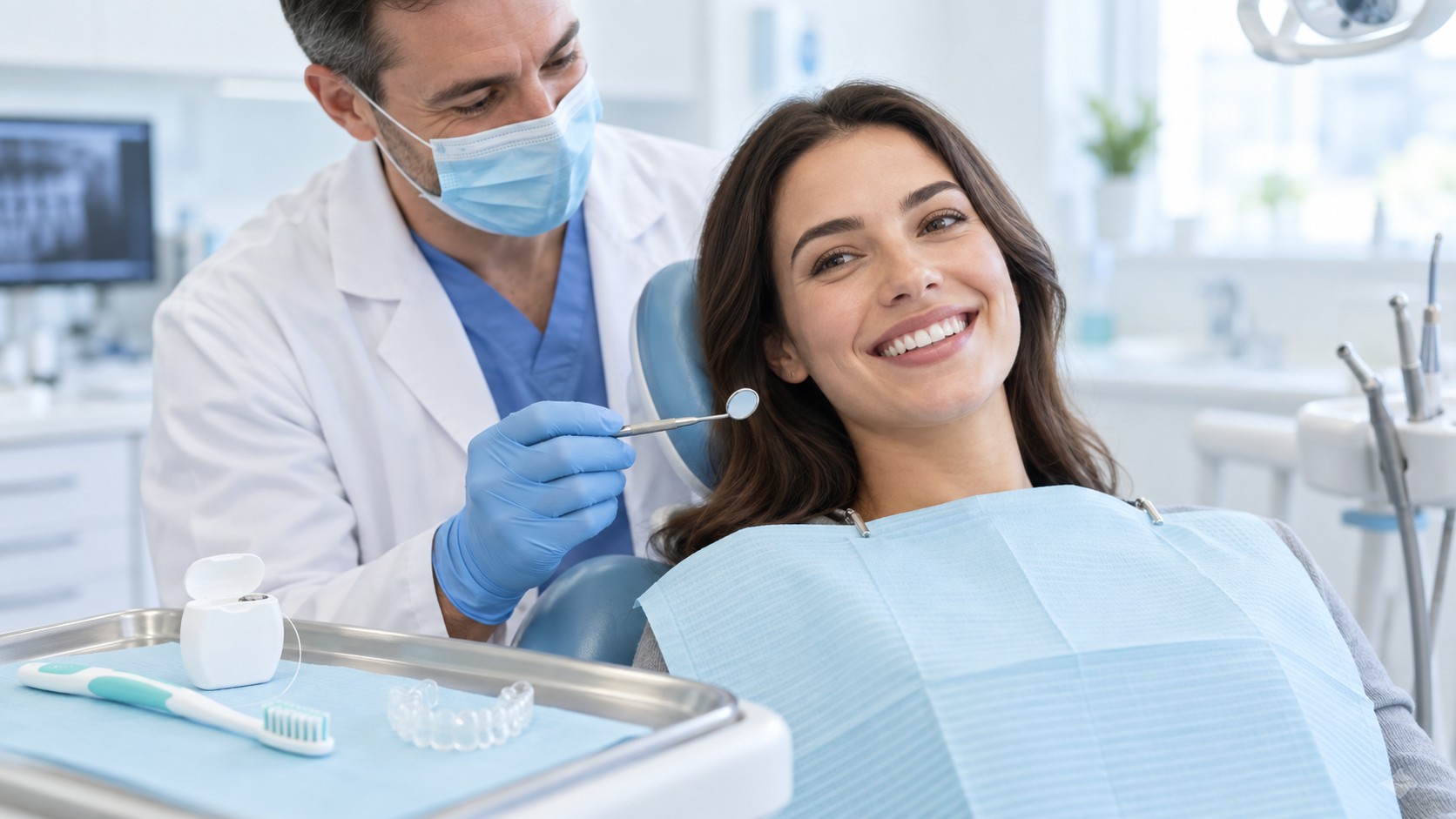
A healthy smile is about far more than appearance. These practical dental health tips can help protect your teeth, gums and overall well-being. They can also help you eat comfortably, speak clearly and reduce the risk of serious oral health problems. Whether you’re looking to prevent cavities, manage tooth sensitivity or maintain your smile after orthodontic treatment, adopting the right habits can make a lasting difference.
This comprehensive guide brings together expert dental health tips to help you keep your teeth strong and your smile bright for years to come.
Why These Dental Health Tips Matter More Than You Think
Your mouth is the gateway to your body, and poor oral hygiene can contribute to problems beyond tooth decay and gum disease. Research has linked untreated gum inflammation to conditions such as heart disease, diabetes, and certain pregnancy complications.
A strong daily dental routine helps:
- Prevent cavities and tooth decay.
- Reduce plaque and tartar buildup.
- Keep gums healthy and free from disease.
- Minimise bad breath.
- Preserve natural teeth for longer.
The good news is that most dental problems are preventable with consistent care.
1. Dental Health Tips for Brushing Your Teeth Properly
Brushing twice a day is essential, but technique matters just as much as frequency.
Expert Dental Health Tips for Better Brushing
- Brush for two full minutes twice daily.
- Use a soft-bristled toothbrush to avoid damaging enamel and gums.
- Hold the brush at a 45-degree angle toward the gumline.
- Use gentle circular motions rather than aggressive scrubbing.
- Replace your toothbrush or brush head every three months, or sooner if bristles become frayed.
An electric toothbrush can also improve plaque removal, particularly for people with limited dexterity.
2. Don’t Skip Flossing
Brushing only cleans around 60% of tooth surfaces. Flossing removes food particles and plaque between teeth where a toothbrush cannot reach.
Dental Health Tips for Effective Flossing
- Floss once a day.
- Use around 18 inches of floss, wrapping it around your fingers.
- Slide it gently between teeth without snapping it into the gums.
- Curve the floss around each tooth in a C-shape.
If traditional floss is difficult to use, consider floss picks, interdental brushes, or a water flosser.
3. Dental Health Tips for Protecting Sensitive Teeth
Tooth sensitivity is incredibly common, affecting around one in three adults. It often appears as a sharp pain when eating hot, cold, sweet, or acidic foods.
Common causes include:
- Enamel erosion.
- Gum recession.
- Teeth grinding.
- Aggressive brushing.
- Whitening treatments.
One effective way to manage sensitivity is using a toothpaste specifically formulated for sensitive teeth.
S3 Sensitivity Science™ is a breakthrough new toothpaste delivering a step change for the one in three people who live with sensitive teeth. It was founded by former Sensodyne leaders and scientists, and is owned by more than 20 leading UK dentists.
What makes S3 toothpaste unique is that it delivers multiple ways to care for sensitive teeth, all in a single formula. Where most sensitivity toothpastes offer just one way of managing sensitivity, S3 provides the three things sensitive teeth actually need: it calms the nerve, strengthens the weakened enamel behind the sensitivity, and creates a lasting protective barrier around the tooth.
In an independent consumer study, people already using a sensitivity toothpaste switched to S3. After four weeks, 90% said their teeth felt less sensitive, and 85% said S3 worked better for their sensitivity than the toothpaste they had been using.
If sensitivity persists despite using a specialist toothpaste, it’s worth booking a dental examination to rule out cavities, cracked teeth, or gum disease.
4. Eat Foods That Strengthen Teeth
Your diet has a major impact on oral health. One of the most practical dental health tips is to choose foods that support strong teeth and gums. Readers looking for more information about ingredients, nutrition and everyday eating can also explore the latest Food & Drink features from FEAST Magazine.
Tooth-friendly foods
- Dairy products like milk, cheese, and yoghurt provide calcium and phosphorus.
- Leafy greens offer calcium and vitamins.
- Crunchy vegetables such as carrots and celery stimulate saliva production.
- Apples can help clean tooth surfaces naturally.
- Nuts contain minerals that support enamel.
Foods to limit
- Sugary drinks and sweets.
- Sticky candies that cling to teeth.
- Frequent acidic foods and beverages, including citrus and fizzy drinks.
- Excessive alcohol, which can reduce saliva production.
Drink plenty of water throughout the day to wash away food particles and keep saliva flowing.
5. Avoid Common Habits That Damage Teeth
Many everyday habits unknowingly weaken teeth.
Habits to break
- Chewing ice.
- Opening packages with your teeth.
- Nail biting.
- Smoking or vaping tobacco products.
- Frequent sipping of sugary or acidic drinks.
These habits increase the risk of chipped teeth, enamel erosion, and gum disease.
6. Dental Health Tips for Keeping Your Gums Healthy
Healthy gums are the foundation of a healthy smile.
Signs of healthy gums
- Pink in colour.
- Firm to the touch.
- No bleeding during brushing or flossing.
Warning signs to watch for
- Bleeding gums.
- Swelling or redness.
- Persistent bad breath.
- Receding gums.
Gingivitis is reversible when treated early with improved oral hygiene and professional cleaning.
7. Dental Health Tips: Visit Your Dentist Regularly
Routine dental check-ups help identify problems before they become painful or expensive.
What happens during a check-up?
- Examination for cavities.
- Gum health assessment.
- Oral cancer screening.
- Plaque and tartar evaluation.
- X-rays when necessary.
Most adults benefit from regular examinations, although your dentist may recommend a different schedule based on your oral health.
8. Protect Your Smile During Sports
If you play contact sports, a mouthguard is one of the best investments you can make.
Benefits of mouthguards
- Prevent broken teeth.
- Reduce lip and tongue injuries.
- Protect dental restorations.
- Lower the risk of jaw injuries.
Custom-made mouthguards typically offer the best fit and protection. Further active-lifestyle information and sporting updates are available in the Sports and Leisure section of FEAST Magazine.
9. Dental Health Tips After Braces or Aligners
Finishing orthodontic treatment doesn’t mean your teeth stop moving.
Broken Retainer? Get a Replacement in the UK Without the Dentist Bill
If your retainer is broken, lost or no longer wearable, getting a replacement retainer in the UK does not always mean returning to your original dentist or orthodontist.
Replacing it promptly matters. Retainers are designed to hold teeth in position after braces or aligner treatment, and going without one can allow unwanted movement over time.
Private replacement-retainer prices vary considerably across the UK. Published dental and orthodontic practice fees commonly start at around £150 for a removable replacement retainer, while premium or multi-set options can cost £400 or more.
For people whose teeth are still in their post-treatment position, there are now online alternatives. NewSmile UK offers custom upper and lower retainers from £109*, including an at-home dental impression kit, shipping and a 30-day fit guarantee.
The process is straightforward: take impressions at home using the supplied kit and guidance, return them for fabrication, and receive custom retainers made to fit your current teeth.
This can be particularly useful if a retainer has been lost, cracked or worn out, or if you simply want a spare without another clinic visit.
One important distinction: a replacement retainer maintains tooth position; it is not intended to correct significant orthodontic relapse. If your teeth have already moved substantially or a previous retainer no longer seats properly, speak with a dentist or orthodontist rather than trying to force it into place.
*£109 price applies when subscribing to receive a new set every six months.
10. Stay Hydrated for Better Oral Health
Saliva plays a vital role in protecting teeth by neutralising acids and washing away bacteria.
How to encourage saliva production
- Drink water regularly.
- Chew sugar-free gum containing xylitol.
- Limit caffeinated and sugary drinks.
- Avoid tobacco products.
A dry mouth increases the risk of tooth decay and gum disease.
11. Consider Fluoride Your Daily Defence
Fluoride strengthens enamel and helps repair the early stages of tooth decay.
Sources of fluoride
- Fluoride toothpaste.
- Fluoridated drinking water where available.
- Professional fluoride treatments from your dentist.
After brushing, spit out excess toothpaste but avoid rinsing immediately to maximise fluoride protection.
12. Recognise Early Signs of Dental Problems
Early treatment is almost always simpler and less costly.
Contact a dentist if you notice:
- Persistent toothache.
- Sensitivity lasting more than a few days.
- Loose teeth.
- Bleeding or swollen gums.
- White or dark spots on teeth.
- Pain when chewing.
Ignoring symptoms can allow minor issues to develop into infections or more extensive dental treatment.
A Simple Daily Routine: Essential Dental Health Tips
Here’s a dentist-approved routine that’s easy to follow.
| Morning | Evening |
|---|---|
| Brush for two minutes with fluoride toothpaste. | Brush for two minutes before bed. |
| Clean between teeth if preferred in the morning. | Floss or use interdental brushes. |
| Drink water after breakfast if you consume acidic foods. | Avoid eating after brushing where possible. |
Additional habits:
- Clean your tongue daily.
- Wear retainers as instructed.
- Replace toothbrushes every three months.
Frequently Asked Questions About Dental Health Tips
How often should I replace my toothbrush?
Every three months, or sooner if the bristles become worn.
Is bleeding while flossing normal?
Occasional bleeding when starting flossing can happen, but persistent bleeding usually indicates gum inflammation that should be addressed.
Can sensitive teeth be treated?
Yes. Many people find relief by using a specialist sensitivity toothpaste consistently and addressing underlying causes like enamel wear or gum recession.
Do retainers need replacing?
Yes. Retainers can crack, wear out, or become lost over time. Replacing them promptly helps maintain the alignment achieved through orthodontic treatment.
The Bottom Line: Follow These Dental Health Tips for a Healthy Smile
Achieving a healthy smile doesn’t require complicated routines—it requires consistency. Brushing properly, flossing daily, eating a tooth-friendly diet, staying hydrated, and attending regular dental check-ups all work together to protect your teeth and gums.
If you experience tooth sensitivity, choosing a toothpaste designed to address the underlying causes can help improve daily comfort. And if you’ve completed orthodontic treatment, wearing and replacing your retainer when needed is essential for preserving your results.
By following these expert dental health tips, you’ll be well on your way to stronger teeth, healthier gums and a confident smile that lasts a lifetime. Readers can also discover additional wellness, grooming and self-care features in FEAST Magazine’s Beauty section.