


Most fashion executives treat sustainability as a cost problem. The materials are more expensive, the supply chain is more complicated, and the customer premium for environmental responsibility is real but harder to capture than the aspirational marketing suggests. The calculus is usually to do the minimum that earns a headline without disrupting the margin structure.
Leopoldo Alejandro Betancourt López approached it differently. When he directed Hawkers to launch the H2O collection, the company wasn’t positioning itself for a green marketing cycle. It was testing whether the economics of sustainable eyewear could be made to work at volume.
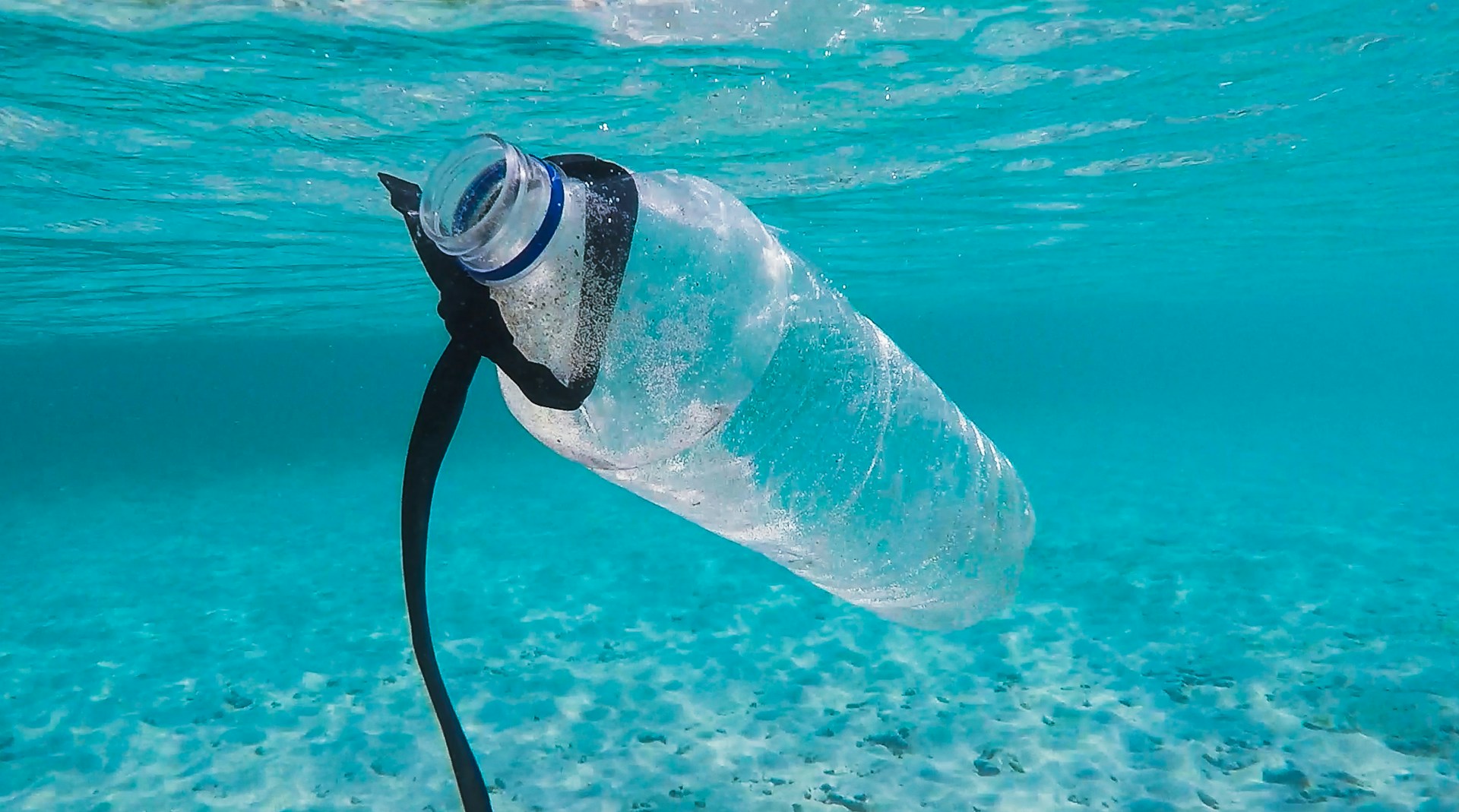
Each pair of sunglasses in the H2O line incorporated plastic waste recovered directly from ocean waters. The logistics involved collecting plastic bottles from marine environments and processing them into frame material, a production chain that doesn’t exist in conventional eyewear manufacturing. Betancourt López described the thinking behind it plainly: “We always have been conscious about sustainability, and we know that the market is shifting toward that direction. Everyone is getting more conscious and wanting to understand how the product they buy impacts their life, but also the world and environment as well.”
The global sunglasses market reached $39.9 billion in 2024 and is projected to grow to $58.8 billion by 2033. Within that growth, sustainability has become a measurable competitive variable. Roughly twelve percent of new sunglasses lines now incorporate recycled or bio-based frame materials, a share that has continued to rise as younger buyers make environmental accountability a purchasing criterion rather than a bonus.
Hawkers’ financial trajectory under Betancourt López’s presidency provides the evidence for his argument. When he led the €50 million investment round and took the presidency in November 2016, the company carried a valuation of approximately €60 million. Annual sales subsequently crossed €100 million. The environmental initiatives, including the H2O collection, were developed during the same period of growth rather than after the brand had already reached scale.
The conventional wisdom holds that sustainability initiatives work for premium brands with pricing power to absorb higher input costs, or for companies targeting a narrow environmentally focused customer segment willing to pay a premium. Betancourt López’s approach at Hawkers doesn’t fit either frame. Hawkers’ core proposition has always been fashionable sunglasses at accessible prices, sold through digital channels to a broad consumer base. Building environmental credentials into that model required integrating them into the cost structure rather than pricing them out of it.
The direct-to-consumer model Hawkers operates under gives it room to maneuver in this regard. Without retail intermediaries taking margin at each distribution step, the brand has more flexibility to absorb input cost increases without passing the full amount to the consumer. The customer relationship built through Instagram and Facebook also provides a direct channel to communicate the environmental story, which matters when the sustainability claim is specific and verifiable rather than generic.
Betancourt López has described sustainability across his portfolio companies as a business consideration that also happens to be the right thing to do, rather than a philanthropic gesture that happens to be good for business. The distinction is practical: the first framing builds it into operational planning, the second treats it as optional spending. At Hawkers, the H2O collection was an operational decision, built into a production run and sold at standard prices. His leadership philosophy addresses this directly, and his personal site and professional biography document the broader investment record that surrounds it. His investment approach has been consistent: build something durable, and let the economics follow.
What is public is that Hawkers grew substantially under a strategy that incorporated ocean plastic into its product line. The brand went from a €60 million valuation to over €100 million in annual sales under Betancourt López’s presidency. The economics of sustainable eyewear, in this case, held.