



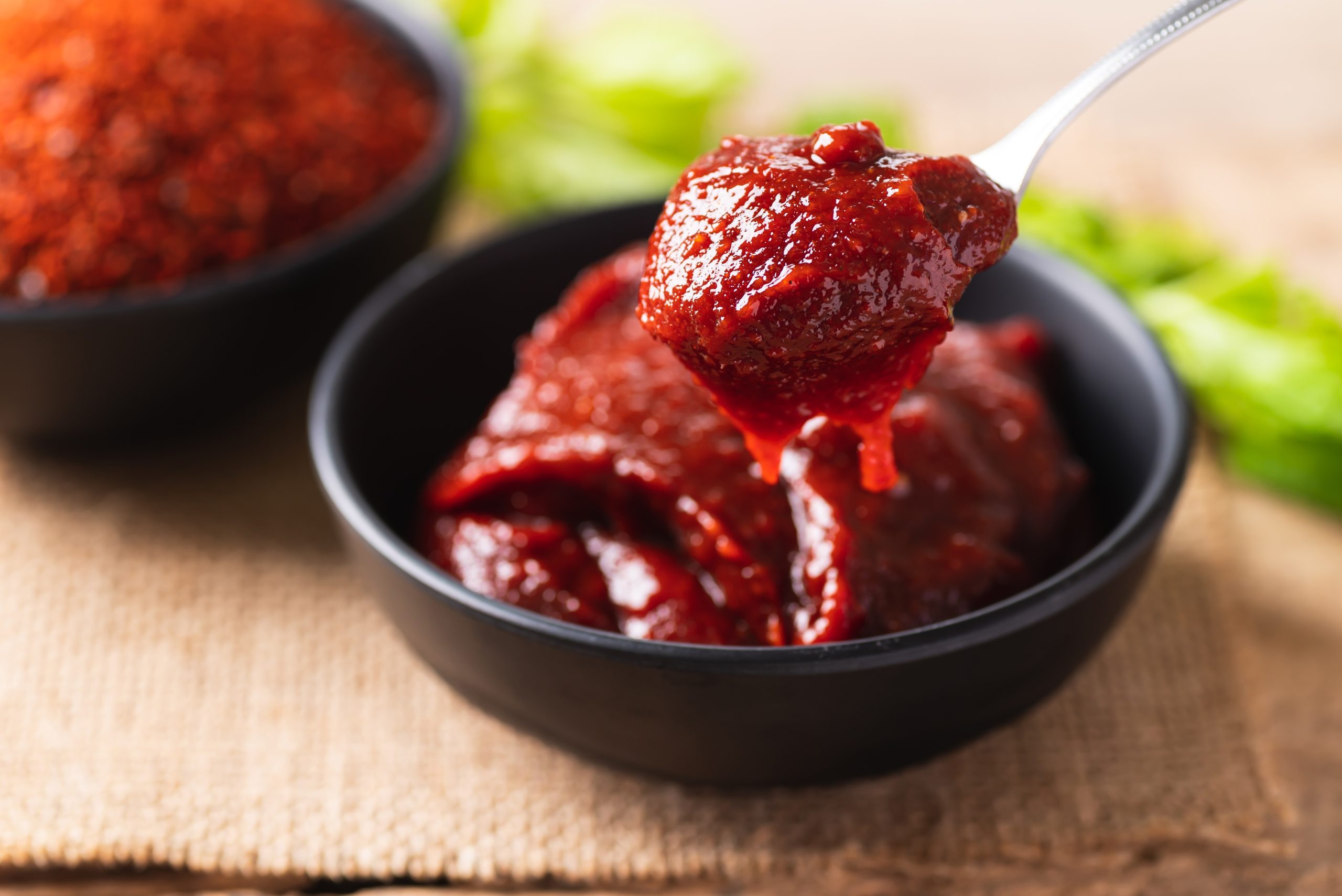
Gochujang is a staple condiment in Korean cuisine, known for its deep red hue and a flavour profile that melds spice with a subtle sweetness and umami depth. This fermented red chilli paste’s spiciness can range from mild to fiery, influenced by the type of chilli peppers used in its production. The versatility of gochujang lies not only in its heat level but also in its ability to complement and enhance a vast array of dishes, from traditional Korean recipes to inventive fusion foods.
The popularity of gochujang beyond Korean borders is a testament to its unique and complex flavour. As culinary enthusiasts seek to broaden their palates, gochujang appeals to those desiring a condiment that provides more than just a spicy kick. Its use is not confined to Korean dishes; gochujang is increasingly incorporated into marinades, sauces, and dips, revealing its potential to be a dynamic ingredient in a global culinary context.
Key Takeaways
- Gochujang’s spiciness varies but is balanced with sweetness and umami.
- Its popularity is rising due to its unique flavour and versatility in cooking.
- Gochujang transcends traditional Korean cuisine, finding a place in diverse culinary practices.
History and Cultural Significance
The fiery heat of Gochujang has permeated Korean culinary traditions for centuries. It’s a complex blend of Korea’s bountiful produce and its time-honoured fermentation techniques.
Korean Culinary Traditions
Gochujang is more than just a spicy condiment; it’s a testament to Korea’s rich culinary heritage. In Korean grocery stores and homes alike, it holds a place of honour amongst other fermented staples like Kimchi. Traditional Gochujang combines fermented soybean powder, glutinous rice, chile pepper powder, and salt. This fusion not only adds spice but also imparts a deep, complex flavour to numerous dishes, making it a quintessential element in Korean kitchens. Homemade variants, often passed down through generations, exhibit unique regional flavours.
Evolution of Gochujang
The recipe for Gochujang has evolved along with Korean cultural preferences and dietary resources. Yeotgireum, or barley malt powder, emerged as a natural sweetener that complies with the jang family’s traditional fermentation process. Over time, Gochujang has been adapted into various forms, from its original thick paste to thinner sauces used for marinating or stir-frying. This Korean fermented pepper paste’s versatility is evident in its capacity to enhance not only heat but also the umami character of a vast array of dishes. Despite modern adaptations, Gochujang continues to be celebrated for its distinct flavour, which stems from the careful fermentation that characterizes much of Korea’s celebrated cuisine.
Ingredients and Variations
This section explores the fundamental components of gochujang and how this versatile condiment can vary in flavour, sweetness, and spiciness. It also discusses commonly used gochujang substitutes.
Core Ingredients of Gochujang
Gochujang is a traditional Korean condiment that relies heavily on its core ingredients: glutinous rice, which provides a sticky base; fermented soybeans, contributing to its signature depth of flavour; gochugaru (Korean red chilli pepper flakes) for heat; and salt, which not only enhances flavour but also aids in fermentation. The interplay of these ingredients results in a unique, complex condiment.
Flavour Profiles and Sweeteners
The spicy and savoury profile of gochujang is often balanced with sweeteners. Traditional recipes may include barley malt powder, rice syrup, or honey to add richness and a counterpoint to the heat. Modern variants might use sugar or brown sugar, while purists still favour the complex flavours of honey or maple syrup.
Regional Varieties and Heat Levels
Variety in gochujang stems from regional recipes and can be distinguished by different heat levels. Heat is measured by the capsaicin present, which varies as:
- Mild Gochujang: A gentle warmth suitable for those preferring subtlety.
- Medium Gochujang: A balanced kick that appeals to a wider audience.
- Hot Gochujang: Intense and robust, catered to those who seek fiery flavours.
Regional interpretations can alter sweetness and spice, creating a rich tapestry of choices tailored to various palates.
Gochujang Substitutes
If gochujang is unavailable, several substitutes may be used with adjustments:
- Sriracha or Tabasco for heat, but they lack the depth and sweetness of gochujang.
- Red chili paste combined with soy sauce or sesame oil can mimic the flavour profile, but with less complexity.
- Miso paste mixed with a touch of sugar and chili powder offers a similar umami quality but again, lacks the signature fermented notes.
The versatility of gochujang and its alternatives allows for varying degrees of spiciness and flavour to meet diverse culinary needs and tastes.
Production and Storage
The intricate process of creating Gochujang and its subsequent storage is paramount to maintaining its distinct flavour and longevity. It involves traditional fermentation techniques and, in commercial production, controlled environments to ensure consistency.
Traditional Gochujang Making
Gochujang’s traditional production is a labour of love, typically taking place during the winter to benefit from the colder temperatures that are conducive to slow fermentation. Home-made Gochujang begins with glutinous rice, which is then fermented with soybeans and combined with gochu-garu (Korean chili powder) and salt. The mixture is then left to ferment in earthenware pots called jangdok, which are kept outdoors, allowing the natural microbes to aid in the fermentation process. This method can take several months and contributes to the complexity of Gochujang’s flavours.
Commercial Gochujang
On a commercial scale, this fermented chili paste is produced under tightly controlled conditions, with manufacturers adhering to specific standards to ensure safety and consistency of the final product. The ingredients, similar to those used in traditional methods, are combined in large batches and are regularly monitored throughout the fermentation process. Advanced machinery is employed to accurately mix the components and maintain the correct temperature and humidity levels critical for proper fermentation.
Storage Tips
Once produced, Gochujang should be stored correctly to preserve its quality. Containers of gochujang purchased from a Korean grocery store should be kept in a refrigerator where it can maintain its quality for up to a year or sometimes even longer. Homemade Gochujang can also be stored in the refrigerator, ideally in an airtight container to prevent it from drying out. The cool, consistent temperature of a fridge slows down the fermentation process, preserving the paste’s unique spice and extending its shelf life.
Gochujang in Cooking
Gochujang is a versatile condiment that enhances the savoury and spicy elements in numerous dishes. It’s particularly celebrated for its capacity to impart a complex depth of flavour, balancing heat with a subtle sweetness.
Gochujang in Traditional Dishes
In Korean cooking, gochujang is indispensable. It serves as a robust base for the country’s beloved bap and bibimbap, where its unique blend of spice and umami flavour marries well with vegetables and rice. Traditional stews and soups gain a rich dimension from gochujang, while marinades benefit from its ability to tenderise and infuse meats with a piquant, unmistakably Korean taste.
Uses Beyond Korean Cuisine
While rooted in Korean traditions, gochujang’s application crosses borders. It adds a rich, complex flavour to meat dishes, invigorates salad dressings, and is an excellent addition to braises. Chefs globally incorporate it as a secret ingredient in non-Korean recipes to offer a distinctive twist, demonstrating gochujang’s adaptability in diverse culinary contexts.
Pairing Gochujang with Other Flavours
Gochujang pairs well with a variety of ingredients to create dynamic flavour profiles. Here’s a succinct guide:
- Garlic and Sesame Oil: Enhance gochujang’s natural zest.
- Soy Sauce and Vinegar: Offer a tangy counterbalance to its sweetness.
- Miso and Sweeteners: Amplify its natural complexity.
- Dipping Sauce: Mix with mayonnaise or yogurt for a mellow yet lively finish.
- Finishing Sauce: Drizzle atop fried rice or vegetable stir-fries for an instant flavour uplift.
This rich paste is celebrated not just for its spice but also for its ability to transform the simplest of dishes into a symphony of flavours with its deep, bold umami character.
Health and Nutrition
Gochujang, a traditional Korean condiment, offers several health benefits due to its rich nutrient profile and fermentation process. It typically includes ingredients such as red chilli peppers, glutinous rice, fermented soybeans, and salt.
Nutritional Benefits of Gochujang
Gochujang contains a variety of nutritional compounds that enhance its health appeal. Probiotics resulting from fermentation promote digestive health. The red chilli peppers provide bioactive compounds such as capsaicin, carotenoids, and flavonoids. Together, these contribute to heart health and may bolster the immune system.
- Vitamin C: Present in red peppers, aiding in immune system support.
- Capsaicin: A compound that could promote metabolism and fat burning.
Considerations for Dietary Restrictions
Individuals with certain dietary restrictions should consider the following:
- Allergens: Gochujang contains fermented soybeans, which are a potential allergen.
- Dairy and Sugar: Gochujang is typically dairy-free but contains added sugars; diabetics or individuals monitoring sugar intake should be cautious.
- Healthy Eating: While gochujang can be part of a healthy diet, it should be consumed in moderation due to its high sodium content.
Gochujang’s Place in Balanced Diet
Gochujang can be a flavourful addition to a balanced diet when used in appropriate quantities. It is not a significant source of sugar or dairy products, which allows for versatility in various dietary frameworks. Being fermented, gochujang aligns with the growing interest in foods that support gut health. However, its sodium content is something to watch, particularly for those with sodium-sensitive health conditions.
Buying and Tasting Guide
Gochujang is a versatile Korean condiment, known for its unique blend of spiciness, sweetness, and umami. Selecting the right type based on heat levels and desired use, along with understanding its sensory profile, is vital for anyone wanting to incorporate this ingredient into their cooking.
Selecting the Right Gochujang
When purchasing gochujang, consumers should visit Korean grocery stores or look online where they will find a variety of options. The condiment’s heat levels are often indicated on the packaging, typically ranging from mild (1) to extremely hot (10). A three on the scale signifies a moderate heat, whereas a four is considered quite spicy. It’s also important to note the ingredients, as traditional gochujang is made from red chilli peppers, glutinous rice, fermented soybeans, and salt. These ingredients contribute to the paste’s signature funk and umami quality.
- Mild: Best for those new to Korean flavours
- Medium: Suitable for regular cooking uses
- Hot: For those who relish an adventurous, spicy kick
If searching for a substitute, fermented soybean based products with chilli may be considered, though the unique taste of gochujang might not be fully replicated.
Tasting Notes and Sensory Experience
Upon trying gochujang, one notices its distinct sweetness tempered by the savoury depth of fermented soybeans. The condiment’s heat can sneak up on the palate but is typically rounded out by a notable sweet aftertaste. Its rich umami character is what makes it a staple in many Korean dishes – enhancing flavours rather than overpowering them.
Consumers should be prepared for:
- Spiciness: Can range from a subtle warmth to an assertive heat
- Sweetness: A balanced sweetness that complements the spice
- Umami: The deep, savoury taste that enriches dishes
- Funk: The characteristic fermented note that adds complexity
Whether used as a marinade, dipping sauce, or flavour enhancer, gochujang adapts remarkably well to a variety of culinary applications, affirming its status as an indispensable item in Korean and fusion cooking.
Creative Culinary Applications
Gochujang, a versatile Korean condiment, brings a balance of heat and sweetness to a myriad of dishes. Its application extends beyond traditional Korean cuisine, finding its place in innovative fusion recipes and inspiring home cooks to create their own gochujang-based mixes.
Gochujang in Modern Fusion Recipes
Fusion cuisine often seeks to marry the flavours of different culinary traditions, and gochujang has become a favoured ingredient in this arena for its unique taste profile. Its application can be found in modern American dishes, where it adds a twist to the classic macaroni cheese, by integrating its spicy-sweet flavour into the rich cheese sauce. Chefs are experimenting with gochujang in dipping sauces, adding a Korean spin to cucumber and carrot sticks, traditionally served with hummus or ranch dressing.
The condiment has also made an appearance in Euro-centric dishes, lending a certain umami depth to potato-based meals, such as spicy gochujang potato wedges. Here, it is often used in marinades that coat the potatoes before roasting, creating a crisp exterior with a flavourful kick, diverging from the more classic approach of simple herbs and oil.
Table 1: Fusion Recipes Incorporating Gochujang
| Dish Type | Gochujang Application |
|---|---|
| American Macaroni Cheese | Mixed into cheese sauce for a spicy note |
| Roasted Potatoes | Used in marinade for a crisp, spicy skin |
| Vegetable Dipping Sauce | Served as a bold complement to fresh veg |
DIY Gochujang Inspired Concoctions
For the enthusiastic home cook, homemade gochujang creates opportunities for customisation. One can control the level of spice, the balance of sweeteners and the overall intensity of the ferment. Traditional gochujang is made with powdered red peppers, glutinous rice, fermented soybeans, and sweeteners such as sugar. However, for those seeking to adjust the spice level, replacing some of the red pepper with milder peppers or even a dash of Tabasco for a tangy variance can offer a range of heat options.
In terms of application, homemade gochujang can serve as a complex base for barbeque marinade, adding a savoury and spicy note to grilled meats or fish. It excels as well in stew or soup bases, where the fermented complexity can depth the overall dish flavour over hours of slow cooking.
DIY Gochujang Recipe Variants
- For a mild variation: combine mild peppers with less sugar.
- For a sweet and spicy kick: maintain the red pepper ratio and increase sweeteners.
- For a savoury blend: add soy sauce or increase fermented components.
In dressings, gochujang offers an alternative to the usual suspects, giving salads an unexpected pop of flavour. Whether it’s integrating it into a vinaigrette or whisking it into mayonnaise for a spicy sandwich dressing, the possibilities are vast and creatively rewarding.
Gochujang FAQs
What is Gochujang?
Gochujang is a Korean chilli paste with a complex flavour profile that includes sweetness, savouriness, and varying levels of heat. It is made from gochugaru (Korean chilli flakes), glutinous rice powder, fermented soybeans, and sometimes sweeteners like rice syrup.
How spicy is Gochujang?
The spiciness of gochujang can vary. Many brands rate their product’s heat level on a scale from 1 to 10, with 1 being mild and 10 being extremely hot. Typically, a level 3 signifies moderate heat, whilst levels 4 and above indicate increasing spiciness.
Is gochujang similar to other chilli pastes?
Though gochujang shares its spiciness with other chilli pastes, it is distinctive due to its thickness and fermented soybean flavour, which differs from the more vinegary taste of condiments like Sriracha.
Can gochujang be used in cooking?
Yes, it is versatile in cooking. Gochujang adds depth to marinades for meats like chicken and salmon, and enriches the flavour of dishes such as pastas or stews.
Is gochujang gluten-free?
Some gochujang brands may contain gluten due to ingredients like barley malt. Those seeking a gluten-free option should check the ingredient label carefully before purchasing.
Final Thoughts
Gochujang is characterised by a complex flavour profile that blends spiciness, sweetness, and umami. While the degree of spiciness can vary, most products provide guidance on heat levels, ranging from mild (1) to extremely hot (10). Here is a simplified scale to interpret gochujang’s heat levels:
- Mild: 1-2
- Moderate: 3-5
- Quite Spicy: 4-6
- Very Hot: 7-8
- Extremely Hot: 9-10
Colour intensity on the packaging might also indicate heat, with a darker red suggesting a hotter flavour. Consumers are advised to regard these indications when selecting a gochujang that suits their taste preferences.
It’s worth noting that gochujang isn’t just about heat. Its fermentation process imparts depth, creating a savoury taste often described as umami, derived from ingredients like glutinous rice and, occasionally, corn syrup. The sweet undertones balance the spiciness, making gochujang a versatile condiment in Korean cuisine.
Individuals adhering to specific dietary preferences should check product labels carefully, as not all gochujang brands are vegan. However, there are multiple vegan options available that do not compromise on the authentic taste profile of traditional gochujang.
Frequently Asked Questions
Gochujang’s spiciness is a subject of intrigue for many culinary enthusiasts. This section addresses common queries about its heat level, flavour, health benefits, ingredients, and usage.
How does the spiciness of gochujang compare to sriracha?
Gochujang possesses a milder heat with a complex, fermented undertone, whereas sriracha delivers a sharper, more immediate spiciness.
Can sweet flavours be detected in gochujang?
Yes, gochujang often has a subtle sweetness that complements its spiciness, resulting from the inclusion of glutinous rice in its recipe.
What are the health benefits of incorporating gochujang into one’s diet?
Gochujang contains capsaicin from red chilli peppers, which is known for boosting metabolism and potentially reducing the risk of certain diseases.
Does gochujang contain any animal-derived ingredients?
Traditional gochujang is plant-based, made from red chilli pepper flakes, glutinous rice, fermented soybeans, and salt, without any animal-derived components.
What is the traditional recipe for gochujang?
The classic gochujang formula involves a base of red chilli pepper flakes, glutinous rice, fermented soybeans, and salt, which is then fermented over time to develop its unique flavour.
How can one reduce the heat level when cooking with gochujang?
To lessen the spiciness of gochujang, one can mix it with other ingredients like soy sauce or sesame oil, which dilute the heat without overshadowing its flavour.