



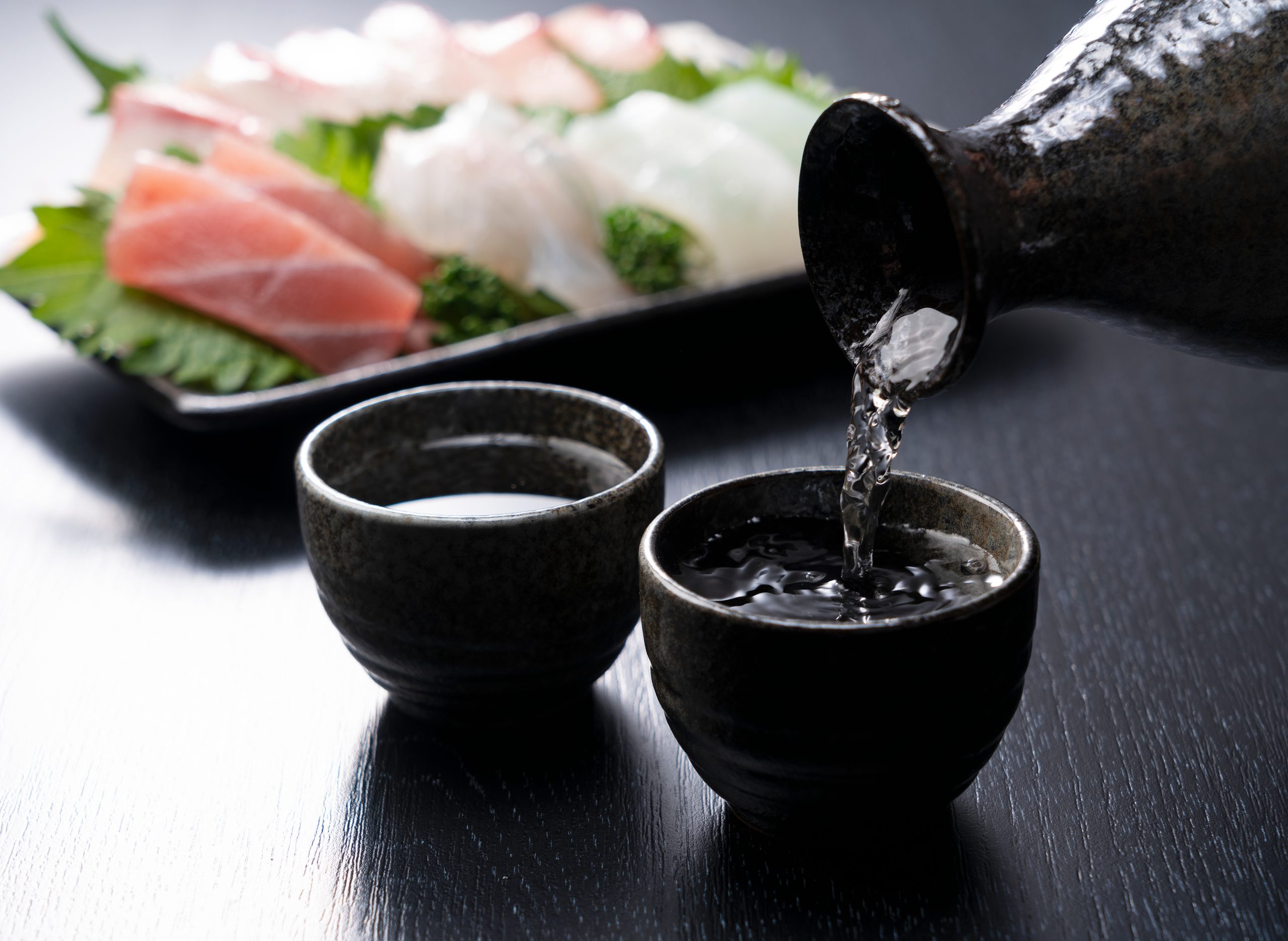
Sake is a traditional Japanese alcoholic beverage with a deep cultural essence that has been brewed in Japan for centuries. Often referred to as Japan’s national drink, it is made from fermented rice and boasts a variety of flavour profiles ranging from savoury to fruity notes. As a versatile drink, it complements an extensive array of foods, which has helped it gain international recognition and appreciation.
The sake brewing process is an intricate art that involves precise craftsmanship and patience. The quality of sake is significantly influenced by the level of rice polishing, where premium grades can have rice polished down to 50% of its original size. Water, rice, koji mould, and yeast are the fundamental ingredients that combine through a meticulous fermentation process to create the unique taste of this revered beverage.
Pairing sake with food enhances the dining experience, elevating both the dish and the drink. From sushi to western cuisines, sake’s varying intensities and umami flavour can be matched with a diverse range of meals. With its growing popularity, contemporary twists on the traditional sake are emerging, leading to an exciting future for those who enjoy this refined drink.
Key Takeaways
- Sake is a versatile Japanese alcoholic beverage, deeply rooted in tradition and enjoyed worldwide.
- The rice polishing ratio and carefully controlled fermentation process are crucial to sake’s quality and diverse flavours.
- Food pairings with sake are broad, mirroring its rise in global culinary scenes and the evolution of sake varieties.
The History of Sake
Sake, Japan’s iconic beverage, is deeply interwoven with its history and culture. This section explores its journey from ancient origins through centuries of evolution, to its place in contemporary society.
Origins in Japan
The inception of sake can be traced back to ancient China, where the technique to ferment rice into alcohol was first developed. This method travelled to Japan alongside rice cultivation roughly 2,500 years ago. The early form of sake was likely a part of religious ceremonies and court festivities, gradually embedding itself in Japanese tradition and culture.
Evolution and Tradition
Over the centuries, the Japanese refined and improved the sake brewing process. What began as a simple fermented rice drink transformed into a sophisticated product with various grades and complexities. The introduction of koji mold, a key ingredient in sake making, allowed for the starches in rice to be converted to sugars, which could then ferment into alcohol. This technique honed the quality and flavour of sake, making it a revered symbol of Japanese craftsmanship.
Sake in Modern Times
Today, sake continues to be a symbol of Japan’s cultural heritage, enjoyed both domestically and internationally. Technological advances and scientific understanding of fermentation have further refined sake production. Nevertheless, traditional methods still persevere, with craftsmen creating sake that appreciates in depth and variety. The beverage is now a global ambassador for Japan, representing its history and cultural identity as nihonshu, the Japanese name for sake.
Understanding Sake
Sake is an intricate part of Japanese culture and a beverage enjoyed globally for its unique taste and brewing process. It compares distinctively with other types of alcohol such as wine and beer and holds a significant place in Japanese traditions and ceremonies.
Defining Sake
Sake, often referred to as nihonshu in Japan, is an alcoholic beverage made by fermenting rice that has been polished to remove the bran. Unlike wine, which is made from fermented fruit, or beer, which is made from brewed grains, sake is the result of a brewing process more similar to beer, but with a taste profile often compared to wine. The degree of rice polishing is crucial, as it largely dictates the final flavour of the sake; the more the rice is polished, the finer and generally more expensive the sake becomes.
Sake vs Other Alcoholic Beverages
While beer and wine are prevalent in Western culture, sake serves as Japan’s national beverage and is intertwined with its traditions. Sake is typically stronger than beer, with an alcohol content closer to wine, ranging from 15% to 20% alcohol by volume (ABV). Its unique production process involves simultaneous saccharification and fermentation, differentiating it from the sequential fermentation seen in beer and wine making.
| Beverage Type | Base Ingredient | Fermentation Process | Typical ABV |
|---|---|---|---|
| Sake | Rice | Simultaneous saccharification and fermentation | 15%-20% |
| Beer | Grains | Sequential fermentation | 3%-9% |
| Wine | Grapes | Sequential fermentation | 9%-16% |
The Cultural Significance of Sake
In Japanese culture, sake is more than just a drink; it’s a craft that encapsulates centuries of tradition and social practices. It plays a vital role in religious ceremonies, festivals, and daily life. Symbolising purity and the connection between the human and divine, sake is used in Shinto rituals and offerings to kami (gods). As Japan’s national beverage, it holds a cherished position, acting as a symbol of hospitality and is often presented to guests as a mark of honour and friendship.
The Sake Brewing Process
The sake brewing process is a meticulous craft that involves selecting fine ingredients and controlling fermentation conditions to produce a range of flavours and styles.
Selection of Ingredients
The choice of ingredients is paramount in sake production. Water, comprising around 80% of the final product, must be soft and rich in minerals to ensure the proper activity of koji and yeast. Specialist sake rice varieties are preferred, known for their ability to absorb water and ferment cleanly. This rice is often polished to remove the outer layers, with premium sake brands polishing up to 50% of the original grain size to yield the finest flavours.
The Role of Koji
Koji (Aspergillus oryzae) is a crucial mold in the brewing of sake. Aided by the careful steaming of rice, koji spores are introduced to begin the saccharification process, converting the starches in the rice into simple sugars. These sugars are vital for fermentation, as they will be converted into alcohol by the yeast.
Fermentation
The fermentation process, or sandan jikomi, is conducted in three sequential steps. It commences with the preparation of a yeast starter, mixing the koji with a small quantity of steamed rice, yeast, and water. Over time, this mixture is scaled up with the addition of more rice, koji, and water until final fermentation, where the mash, now called moromi, sits in tanks for up to a month or more to develop the full depth of flavour.
Pressing and Bottling
After fermentation, the sake mash is pressed to separate the liquid from the solids, a process that can influence the texture and clarity of the sake. Finally, the sake is pasteurised, matured, and then bottled, with some variations being aged to further develop their taste profile. Bottling is often done with meticulous care to preserve the integrity of sake’s delicate flavours.
Types of Sake
In the world of sake, distinct types emerge from specific brewing methods, ingredients used, and the extent of the rice polishing. Below, readers will discover how these factors categorize sake into various types and grades.
Classification by Ingredients and Process
The elementary components of sake include rice, koji mould, yeast, and water. The rice is milled to various degrees of polishing, which directly influences the sake’s classification. The presence or absence of added alcohol also plays a key role in categorisation.
- Junmai: Made solely from rice, water, koji, and yeast, with no additional alcohol.
- Honjozo: A minor amount of brewer’s alcohol is added to the rice, water, koji, and yeast mixture.
Understanding the Different Grades
Sake’s grading system reflects the degree of rice milling before the fermentation process, impacting the flavour and quality.
- Ginjo: Rice polished to 60% or less of its original size.
- Daiginjo: A subtype of Ginjo, with rice polished to 50% or less.
- Junmai Ginjo: Combines Junmai’s pure rice method with Ginjo’s polishing requirement.
- Junmai Daiginjo: Incorporates the attributes of both Junmai and Daiginjo, known for its meticulous production and premium quality.
Junmai vs Non-Junmai
The distinction between Junmai and Non-Junmai sake comes down to the addition of brewer’s alcohol.
- Junmai: No added alcohol, which can deliver a fuller body and richer taste.
- Non-Junmai (e.g., Ginjo or Daiginjo without the Junmai label): Brewer’s alcohol is added, often resulting in a lighter, more fragrant profile.
Sugar is not an ingredient traditionally used in the brewing of sake; any sweetness is derived from the fermenting rice.
The Importance of Rice in Sake
In sake production, rice isn’t just a staple ingredient; it’s the centrepiece that dictates the character and class of the final product. This section delves into the specifics of rice’s role in sake, with a look at sake rice varieties, the impact of rice polishing, and the pivotal characteristics of rice grains.
Sake Rice Varieties
Over 70 distinct sake rice varieties exist, each contributing unique attributes to sake. These specific strains, known as sakamai, are selected for their larger grain size and higher starch content, which is crucial for the fermentation process. The most renowned sakamai includes Yamadanishiki, heralded for its superior quality that often leads to a smoother and more aromatic sake.
Rice Polishing and its Impact on Quality
Rice polishing, or seimai buai, involves removing the outer layers of rice grains to reach the starch-rich core, referred to as shimpaku. The degree of polishing has a direct influence on sake quality, with premium varieties often polishing away up to 50% of the grain. This process can enhance the clarity and flavour profile of the sake.
- 70% polishing (Regular sake): More robust flavours with pronounced rice character.
- 50% polishing (Premium sake): Refined and delicate taste with complex aromas.
Rice Grain Characteristics
The anatomy of a rice grain is key to understanding its suitability for sake brewing. Sake rice often contains larger grains with a concentration of starches in the centre, which allows for a more controlled fermentation. This central starchy area, shimpaku, is prized for its impact on the final brew’s flavour and texture. Grain size and starch distribution play pivotal roles in determining the sake’s quality and style.
Tasting and Drinking Etiquette
When it comes to traditional Japanese sake, the tasting and drinking etiquette is both a practice in cultural appreciation and an enhancement of the beverage’s enjoyment. The following sections provide a focused guide on serving temperatures, the proper vessels, the art of tasting, and the customary drinking rituals associated with sake.
Serving Temperature
The temperature at which sake is served can profoundly affect its aroma and flavour. Sake can be enjoyed at various temperatures, from chilled to warm, depending on the type and the drinker’s preference.
- Chilled (5-10°C): Delicate aromas and crisp flavours for fragrant types like Ginjo and Daiginjo.
- Room temperature (15-20°C): Balanced aromas and a harmonious taste profile, suitable for a wide range of sake.
- Warmed (40-45°C): Enhanced richness and depth, ideal for robust Junmai and Honjozo.
Proper Vessels
The vessel from which one drinks sake can greatly influence its taste and aroma.
- Ochoko: Small cups that enhance the tasting experience by encouraging small, thoughtful sips.
- Guinomi: Larger cups for those who prefer a more generous serving.
- Tokkuri: Flasks typically used to serve warmed sake and share among friends.
The Art of Tasting
A comprehensive approach to tasting sake involves engaging multiple senses to fully appreciate its complexity.
- Visual Inspection: Observe the clarity and colour in a clear vessel.
- Aroma: Take a gentle sniff to determine the sake’s bouquet, noting whether it’s fruity, floral, earthy, or savoury.
- Flavour: Sip slowly, allowing the sake to reach all taste buds; note the balance between sweet, acidic, bitter, and umami.
Kanpai: Drinking Rituals
Sharing sake is deeply rooted in Japanese society, with the word “kanpai” symbolising the collective spirit of drinking celebrations.
- Pouring for Others: It’s customary to pour sake for others before serving oneself, enhancing camaraderie.
- Kanpai: Raising glasses together and saying “kanpai” is a sign of respect and fellowship before taking the first sip.
Pairing Sake with Food
Pairing sake with food involves a delicate balance of flavours and textures, which can enhance the dining experience. Sake’s unique characteristics make it incredibly versatile for a variety of dishes.
Complementary Flavours and Textures
When pairing sake with food, one should consider harmonising complementary flavours and textures. Light, floral sakes often go hand-in-hand with delicate dishes like sushi, where the subtle flavours do not overpower each other. The natural umami present in sake also acts as a palate cleanser, preparing the mouth for the next bite. It is beneficial to match the weight of the sake with the food, ensuring that one does not dominate the other.
- Light and Floral Sake: Ideal for pairing with sushi and light appetisers.
- Rich and Full-Bodied Sake: Best accompanied by heavier, more robust dishes.
Sake and Japanese Cuisine
Sake is inherently suited to Japanese cuisine, with its ability to enhance the natural flavours of dishes. The traditional Japanese concept of umami, a savoury taste, is a core aspect in food pairing. Sake can complement umami-rich foods such as soy sauce-based dishes and broths. Sushi, with its vinegared rice and fresh fish, works exceptionally well with sake because the drink neither overwhelms the taste of the fish nor is it overpowered by the vinegar.
- Sushi: Pairs with a variety of sake styles, depending on the fish.
- Tempura: Crisp textures work well with the clean finish of certain sakes.
Innovative Food Pairings
Sake’s adaptability extends beyond Japanese cuisine. Its characteristics can harmonise with a wide array of international dishes. The umami component of sake allows it to serve as a bridge between different cuisines, enhancing fusion dishes and offering new taste experiences. Experimenting with sake can reveal surprising pairings, such as with lightly fried foods, where the crispiness complements the smooth and sometimes fruity notes of the drink.
- Cheese: Sake can accentuate the creamy textures of cheese.
- Fried Foods: The lightness of sake contrasts and elevates the dish.
Pairing sake with food is both an art and a science, where taste complements texture, and the drink seamlessly blends with the meal.
Innovations and Trends in Sake
Sake, or nihonshu, has seen a significant transformation over the years, adapting to contemporary demands and expanding its reach beyond traditional borders. This section explores some of the key trends and innovations that are currently shaping the sake industry.
Sake in the International Market
The international market has observed a burgeoning popularity of sake, with countries such as the UK and USA showing increased interest. This global expansion has spurred the development of sake varieties that cater to a diverse array of palates and dining contexts. Notably, there’s a marked rise in sparkling sake akin to sparkling wines, which offers a new experience to the international audience, potentially appealing to those unfamiliar with traditional sake.
Craft Breweries and Small Batch Production
As witnessed in the beer industry, craft breweries for sake are gaining traction. These small-scale breweries focus on high-quality, small batch production, allowing for meticulous control over the brewing process and fostering innovation in flavour profiles. Craft breweries are at the forefront of blending time-honoured methods with modern techniques, thereby creating unique and refined products that stand out in both domestic and international markets.
New Directions in Sake Flavours and Types
Innovation in sake is not limited to production techniques but also extends to exploring new flavour profiles and types of sake. Experimentation with yeast strains, rice types, and fermentation processes has resulted in a broader spectrum of flavours, including notes that may be fruity, floral, or even savoury. These developments lead to a more extensive selection that caters to diverse tastes and preferences, challenging the conventional notion of sake and inviting connoisseurs and novices alike to explore this age-old beverage in a new light.
Enjoying Sake at Home
Indulging in sake at home encompasses proper storage, creating a tasting experience, and experimenting with sake-based cocktails. The reader should focus on maintaining the quality of sake while discovering the versatility it offers through various serving methods.
Storing and Aging
Storage: When storing sake at home, it is crucial to keep it away from light and to store bottles in a cool place. The ideal temperature for storage is around 10 to 15 degrees Celsius. Unlike some wines, sake does not generally improve with age, and most varieties are best consumed within a year of purchase.
Aging: However, there are some types of sake, such as koshu, which are designed to be aged and can develop more complex flavours over time. These should be aged under controlled temperature conditions to ensure the quality remains intact.
DIY Sake Tasting
For a do-it-yourself sake tasting, one should select a variety of sake types to compare and contrast flavours. Consider including:
- Junmai: Pure rice sake with no added alcohol, allowing one to appreciate the rice’s inherent flavour.
- Genshu: Undiluted sake that offers a bolder, often higher alcohol content experience.
- Koshu: Aged sake that brings a more nuanced and often richer taste.
Serve the sake in clear vessels to observe colour and consistency and taste them in order of ascending flavour intensity. Note the differences in aroma, flavour, and texture.
Sake Cocktails
Sake cocktails are an innovative way to enjoy this versatile beverage. Here are simple recipes to explore:
- Sake Martini:
- 60 ml sake
- 30 ml vodka
- Ice cubes
- Olive for garnish
Stir the sake and vodka with ice and strain into a chilled martini glass. Garnish with an olive.
- Sake Mojito:
- 50 ml sake
- Fresh mint leaves
- 1 teaspoon sugar
- Lime juice
- Soda water
Muddle the mint, sugar, and lime juice in a glass. Fill the glass with ice, pour in the sake, top with soda water, and stir.
When experimenting with sake in cocktails, one should consider the flavour profile of the sake chosen to complement the other ingredients.
Supporting Sake Culture
Supporting Sake Culture involves engaging with the traditional Japanese beverage through tourism, events, education, and community contributions.
Sake Tourism and Brewery Tours
Sake tourism plays a pivotal role in bolstering interest and understanding of sake’s cultural significance. Visitors may explore various regions, such as Kobe, Kyoto, and Niigata, each offering a peek into their unique brewing styles and local flavours. Brewery tours provide an immersive experience, with guides detailing the intricate processes from rice polishing to fermentation. Tourists often participate in sake tasting sessions, enhancing their palate and appreciation for distinct sake profiles.
Engagement Through Events and Education
Organisers curate events ranging from sake-tasting festivals to educational workshops aimed at spreading awareness and increasing sake’s popularity. Workshops educate participants on sake’s history, brewing techniques, and proper pairing with food. These events serve as an interactive platform to engage both newcomers and sake enthusiasts, solidifying the beverage’s place in the global alcohol market.
Contributing to the Sake Community
Individuals can contribute to the sake community by supporting local breweries and advocating for sake’s cultural heritage. They may join sake appreciation clubs, participate in forums, and contribute to crowd-funding initiatives aimed at sustainably preserving traditional breweries. Through active participation, the sake community thrives, furthering both local and international interest in this storied beverage.
Navigating the Sake Market
When purchasing sake, it’s key for consumers to understand label terminology and how to select sake in both restaurants and retail environments.
Purchasing Tips and Recommendations
One should seek sakes with a rice polishing ratio indicating how much of the rice grain’s outer layer has been removed. A ratio of 50% or less generally points to higher quality. Consumers might favour Junmai sake for its pure rice qualities, avoiding added alcohol or sugar. Store selection also plays a significant role; a knowledgeable store with a varied selection and proper storage suggests better sales support and product quality.
Understanding Labels and Nomenclature
Sake labels contain essential information that can guide a consumer’s choice. Look for terms such as:
- Junmai: Sake made without added alcohol.
- Rice Polishing Ratio: A lower percentage indicates a higher-grade sake.
Labels often include the name of the sake brewery and the type of sake, providing clues about the taste profile and quality.
Sake in Restaurants and Retail
Restaurants may offer sake pairing suggestions on their menu, enhancing the dining experience. Ask servers for recommendations based on your preferences and dishes ordered. Retail environments should provide a range of sake to suit various tastes and budgets, with staff available to guide customers through their purchase.
The Future of Sake
Sake, with its rich heritage from Japan, is experiencing a dynamic shift as it encounters the trends of globalisation and modernisation. The beverage is poised to undergo significant influences in its market presence and production sophistication.
Global Market Expansion
The global market for sake is witnessing a noticeable uptick. Sales outside Japan are increasing as the drink gains popularity in Western countries and among younger consumers. One trend within this expansion is the growing interest in sake-based cocktails, with establishments around the world incorporating sake into their drink menus to offer a novel experience with a hint of exotic culture.
Europe and North America are key regions where sake consumption is rising, not just within Japanese restaurants but also as part of the offering in diverse culinary settings. Export strategies are becoming more aggressive, and the prominence of sake at international wine and spirits competitions is a testament to its escalating prestige.
| Region | Trend in Sake Popularity |
|---|---|
| Europe | Rising |
| North America | Rising |
| Asia | Steady Increase |
Innovations in Production and Distribution
Innovations are shaping the production process of sake to meet global demands while ensuring quality. Breweries are embracing modern technologies to enhance the precision and consistency of their sake production, often blending traditional techniques with new methodologies.
Sake’s distribution channels are evolving, with a shift towards more digital platforms that cater to the international consumer base. Improved logistics and supply chain management systems aid in maintaining the integrity and flavour profile of sake during transport. Investments in sustainable packaging solutions also reflect the industry’s awareness and responsiveness to environmental concerns.
Production innovations include:
- Use of AI for quality control
- Experimenting with different rice strains
- Climate-controlled fermentation
Distribution improvements involve:
- Online sales and direct-to-consumer models
- Expansion of specialized sake retailers
- Refrigerated shipping options
Becoming a Sake Connoisseur
As part of the journey to becoming a learned sake connoisseur, one must engage in a combination of education, building a discerning collection, and contributing to the communal pool of sake knowledge. Comprehension of sake’s intricate features and the ability to navigate its varied selection requires dedication and finesse.
Educational Resources
The aspirant connoisseur starts with education. They might subscribe to specialised newsletters that provide insights into the sake-making process, profiles on notable breweries, and updates on industry trends. Educational books, edited by experts in the field, offer deeper dives into the history and nuances of sake. Here is a list of resources deemed crucial for foundational learning:
- Books: Sake Handbook, Sake: The History, Stories, and Craft of Japan’s Artisanal Breweries
- Newsletters: Sake Times, Sake World
- Websites: Sake Guide, International Sake Institute
Building a Personal Sake Selection
A serious connoisseur curates a sake collection with a discerning palate. They select offerings across a variety of styles from junmai to daiginjo, each with different rice polishing ratios and flavour profiles. A carefully assembled collection might look like this:
| Type | Features | Serving Temperature |
|---|---|---|
| Junmai | Pure rice, no added alcohol, full-bodied | Room temperature |
| Ginjo | Minimum 40% rice polishing, fragrant, light | Chilled |
| Daiginjo | Minimum 50% rice polishing, complex, premium | Chilled |
| Honjozo | Small amount of brewer’s alcohol added, smooth taste | Warm or room temp |
Contributing to Sake Knowledge
Finally, the connoisseur takes on the important role of contributing to the body of knowledge. Whether through participating in tastings, documenting their experiences in tasting notes, or even starting a blog to share reviews and educate others, they enhance the collective understanding. They methodically evaluate the sake’s clarity, aroma, taste, and finish, aiding both novices and peers in their educational pursuit.
Frequently Asked Questions
This section provides readers with clear and informative answers to common inquiries about sake.
What factors determine the alcohol content in sake?
The alcohol content in sake typically ranges from 15% to 20%. Factors influencing this include the rice polishing ratio, fermentation duration, and whether additional alcohol is added during the brewing process.
Which sake is recommended for those new to tasting it?
For beginners, a Ginjo or Junmai Ginjo sake is recommended due to their light and fruity flavour profiles, making them more palatable for those unaccustomed to sake.
What is Ginjo sake and how does it differ from other categories?
Ginjo sake is a premium category where the rice is polished down to at least 60% of its original size. It’s characterised by its delicate and fruity flavour, distinct from other varieties due to a longer and colder fermentation process.
Can sake consumption cause allergic reactions?
Allergic reactions to sake are rare, but they can occur in individuals with allergies to specific components used in brewing, such as rice, yeast, or koji mold.
What distinguishes Junmai Daiginjo sake from others in its class?
Junmai Daiginjo sake is the pinnacle of the sake categories, with rice polished down to at least 50% and no distilled alcohol added. It is celebrated for its exceptional smoothness and complex flavour profile.
What should one consider when looking for value-for-money sake?
When seeking value-for-money sake, consider the polishing ratio, reputation of the brewery, and type of sake. Generally, a good Junmai or Honjozo sake offers a balance between quality and affordability.