



The world’s most-watched sporting event is now under way. The FIFA World Cup 2026 has opened across North America in what is already the largest football tournament ever staged, with 48 teams, 104 matches and 16 host cities spanning three countries over 39 days of competition.
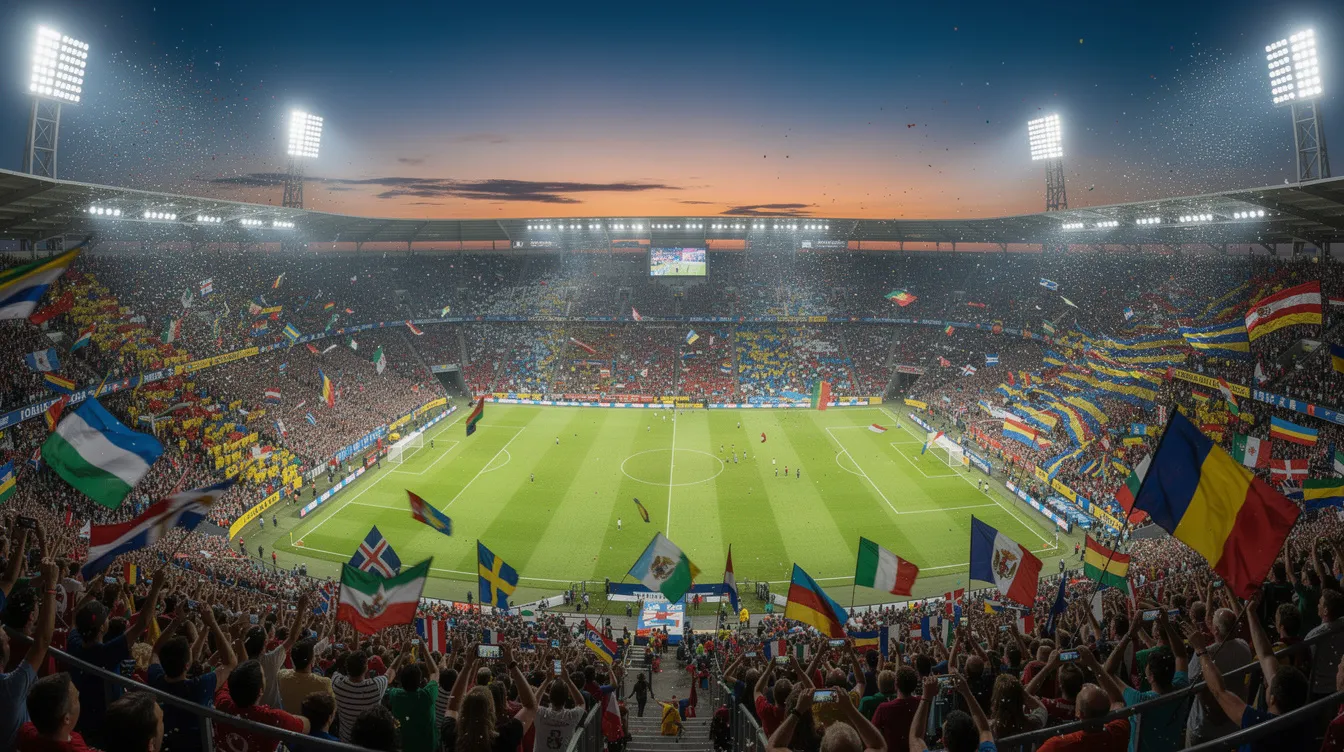
Opening News Summary: What the FIFA World Cup 2026 Is
The 2026 edition of the men’s fifa world cup is jointly hosted by Canada, Mexico and the United States-the first time in the tournament’s history that three nations have shared hosting duties. Running from 11 June to 19 July 2026, the competition brings together 48 teams from across all six FIFA confederations in a format that produces 104 matches, up from 64 in previous editions.
Matches are being played across 16 host cities in North America, using a mix of purpose-built football venues and major multi-purpose stadiums. This is the biggest World Cup by every measurable standard: more teams, more fixtures, more host cities and more broadcast hours than any previous edition. The tournament’s scale marks a defining moment for international football, travel, hospitality and global media.
All match details, ticketing and team updates remain subject to official FIFA announcements and should be verified through FIFA’s World Cup 2026 channels.
Why the 2026 FIFA World Cup Is Historic
The joint hosting arrangement between Canada, Mexico and the USA is unprecedented. Before this, the 2002 World Cup in Japan and South Korea was the only edition hosted by two countries. In 2026, the tournament is being staged across three sovereign nations, each contributing host cities, infrastructure and cultural identity to the event.
The expansion to 48 teams is the most significant structural change since the world cup grew from 24 teams to 32 in 1998. Before that, the tournament had expanded to 24 teams in 1982. FIFA confirmed the 48-team format for 2026 several years ago-the host country is usually chosen six or seven years in advance, with FIFA’s Council voting to select the host nation. There were even discussions around a 64-team World Cup for 2030, though that idea did not progress.
This edition also sits within a longer arc of football history. The first FIFA World Cup was held in 1930 in Uruguay, who won the inaugural tournament by defeating Argentina 4–2. Since then, Brazil has won the competition five times-the most of any nation-while Germany has appeared in the most World Cup finals, with eight. The World Cup was first televised in 1954, and since then global audiences have grown to billions. The 2026 edition takes all of that heritage and amplifies it to a scale never previously attempted.
New rules will also be enforced to enhance game flow and manage time-wasting during matches, reflecting FIFA’s ongoing effort to improve the spectacle for fans and broadcasters alike.
Host Nations and 16 North American Host Cities
The three host countries-Canada, Mexico and the United States-collectively provide 16 venues across the continent. Each region brings distinct cultural, culinary and travel appeal.
Canada contributes two host cities: Toronto and Vancouver. Both are major international gateways with strong tourism infrastructure, making them natural hubs for group stage fixtures and fan activations. Vancouver’s position on the Pacific coast is expected to draw significant visitor interest from Asia-Pacific markets.
Mexico provides three host cities: Mexico City, Guadalajara and Monterrey. Mexico City’s Estadio Azteca holds particular significance as the venue for the opening match, and the city itself is internationally renowned for its street food culture and hospitality scene. Guadalajara and Monterrey add further capacity and regional identity.
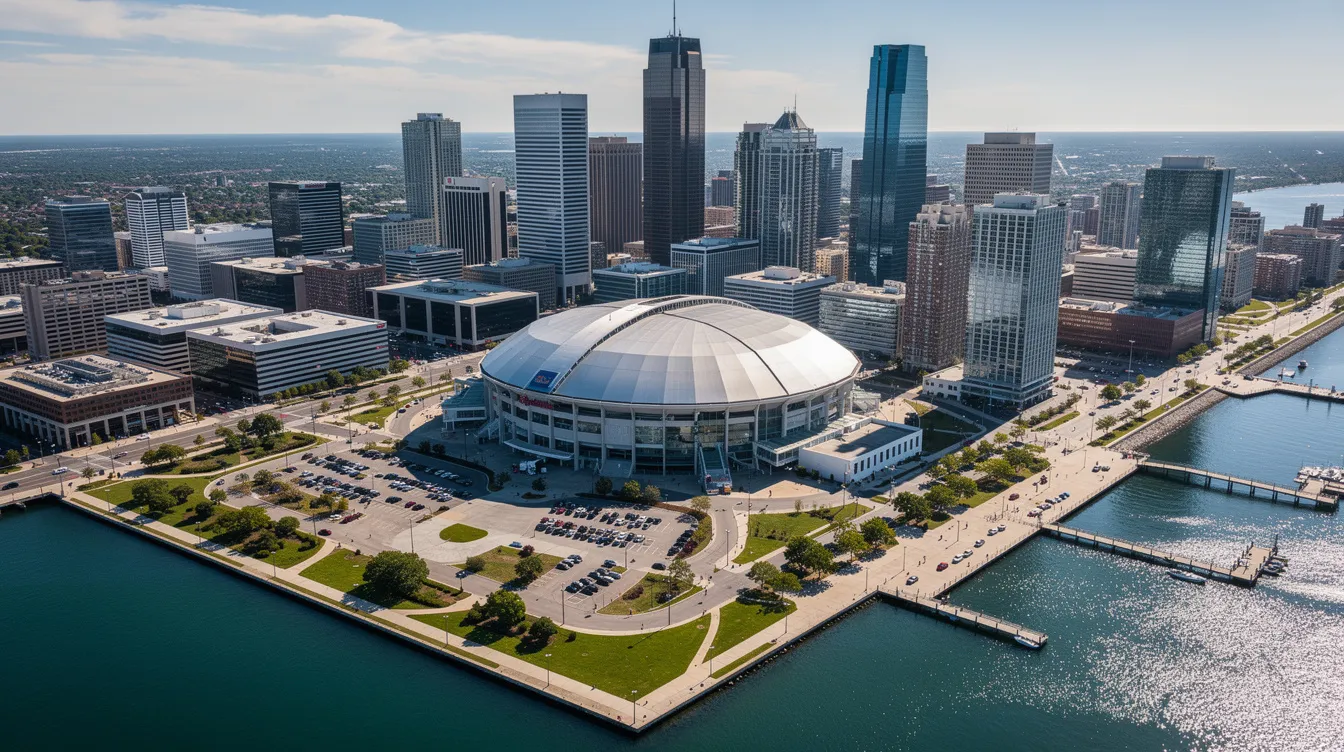
The United States hosts eleven cities, including New York/New Jersey, Los Angeles, Dallas, Miami, Atlanta, Houston, Seattle, San Francisco Bay Area, Philadelphia, Boston and Kansas City. These cities are central to the later knockout rounds, with the largest US venues-such as MetLife Stadium and SoFi Stadium-allocated key fixtures. Several American football stadiums have been adapted for FIFA pitch standards, including seat removal to meet required width dimensions, as seen at Tottenham’s stadium setting modern standards in the UK.
City allocations, stadium capacities and match schedules are published via FIFA’s official fixtures list.
Expanded Format and 104-Match Schedule
The tournament moves from the 32-team structure used since 1998 to a 48-team competition, increasing representation for nations from Africa, Asia, CONCACAF, CONMEBOL, OFC and UEFA. Countries such as saudi arabia, austria, norway, iraq, jordan and algeria are among those who had a chance to qualify through expanded confederation slots, alongside traditional powers like france and argentina.
The format features 12 groups of four teams each. Teams play a round-robin group stage, after which the top two from each group-plus the top 8 third-placed teams-advance to a knockout stage of 32 teams. The tournament then follows a conventional bracket through a Round of 32, Round of 16, quarter-finals, semi-finals, a third-place play-off and the final.
In total, the 2026 tournament will have 104 matches: 72 in the group stage and 32 in the knockout rounds. A team reaching the final will play eight matches-one more than under the previous format. Additional fixtures mean wider broadcast inventory, more results to follow and greater host city activity. Players and managers alike face a longer calendar, but the expanded structure also offers a way back for teams who suffer an early setback.
Official tiebreakers, group structures and match sequencing are defined in FIFA regulations and published through FIFA’s digital fixtures hub.
Key Dates, Opening Match in Mexico City and World Cup Final 2026
The tournament opened on 11 June 2026 at Estadio Azteca in Mexico City. This date marks a historic milestone: Mexico City becomes the first venue to host matches in three separate World Cups, having previously staged games in 1970 and 1986. Estadio Azteca is now the only stadium in the world awarded this distinction.
Early group stage fixtures are spread across all three host countries, with local kick-off times tailored to in-stadium and television audiences. With matches spanning Pacific, Mountain, Central and Eastern time zones, broadcasters-including outlets such as the bbc-have extensive live windows to fill.
The World Cup final 2026 is scheduled for 19 July 2026 at New York New Jersey Stadium, better known as MetLife Stadium, in the New York metropolitan area. Semi-finals and key knockout ties will be staged in a selection of the largest US venues, reflecting both broadcast demand and seating capacity.
Precise World Cup 2026 fixtures, including team pairings and kick-off times, are updated on FIFA’s official platforms. The adidas golden boot, awarded to the tournament’s top scorer, will be among the individual honours decided across these 39 days.
Impact on Football Fans and Global Audiences
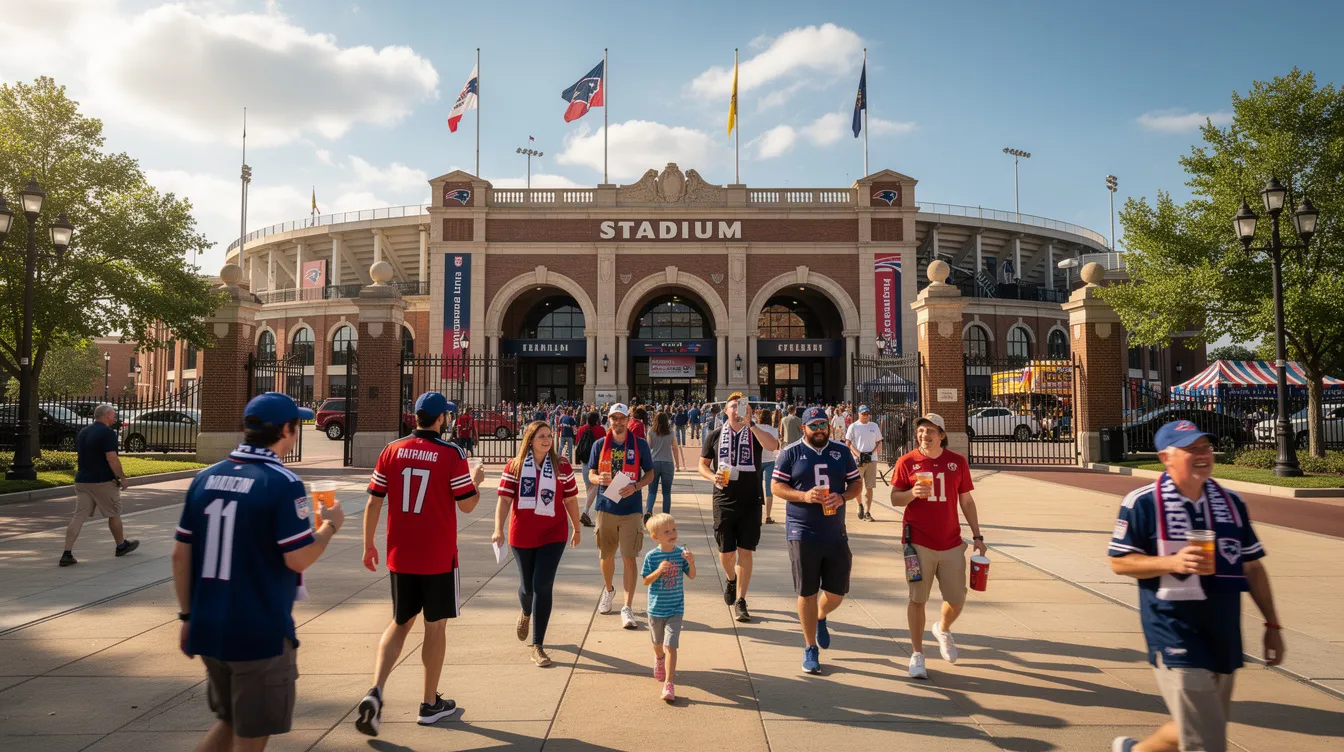
A 48-team tournament dramatically increases the number of participating fan bases. For nations leaving qualification on the margins in previous cycles, the expanded format opens doors-bringing fresh energy and new stories to the world stage. The content available to fans, from live matches to digital highlights, is richer than at any previous tournament.
More matchdays and time zones across North America create extensive live coverage windows for broadcasters and streaming platforms. Fans in Europe, Asia, Africa and beyond can follow the action across a wider spread of the day. The World Cup was first televised in 1954; by 2026, global digital consumption of live sport has transformed how audiences engage with football.
For supporters travelling to North America, the tri-host nature of the tournament allows multi-city itineraries-combining match attendance with tourism across canada, the USA and Mexico. Enhanced fan zones, public screenings and hospitality programmes are expected in major cities, subject to local organisers’ plans. Those planning a trip can combine fixtures with wider travel across the region.
Tourism, Hospitality and Commercial Opportunities
For professionals in food, hospitality, events and travel, the North America World Cup represents a commercial opportunity of exceptional scale. Hotel occupancy across all 16 host cities is projected to surge around match days, while restaurant bookings, event catering and pop-up experiences will benefit from millions of visiting supporters.
UK and European hospitality brands have clear openings: partnering with tour operators and airlines on football travel packages, supplying premium beverages and specialty products to fan zones, and supporting corporate hospitality suites at marquee fixtures. The demand for beverage-themed event planning and fan festival activations is expected to rise in the months ahead.
Supply chain planning is critical. Food and drink imports into North America-from craft beer and wine to confectionery and dairy-face regulatory, customs and licensing requirements. Businesses responsible for provisioning stadiums and fan zones should align procurement timelines with confirmed FIFA schedules.
Destination marketing organisations and city authorities are using the tournament to showcase local cuisine, culture and nightlife. Mexico City’s street food, Vancouver’s Pacific Northwest dining and Los Angeles’ global restaurant scene all stand to benefit from sustained international attention.
FEAST Magazine will continue to cover the intersection of global events, hospitality and trade throughout the tournament. Readers in the industry should monitor official host city websites and FIFA commercial announcements for activation and sponsorship opportunities.
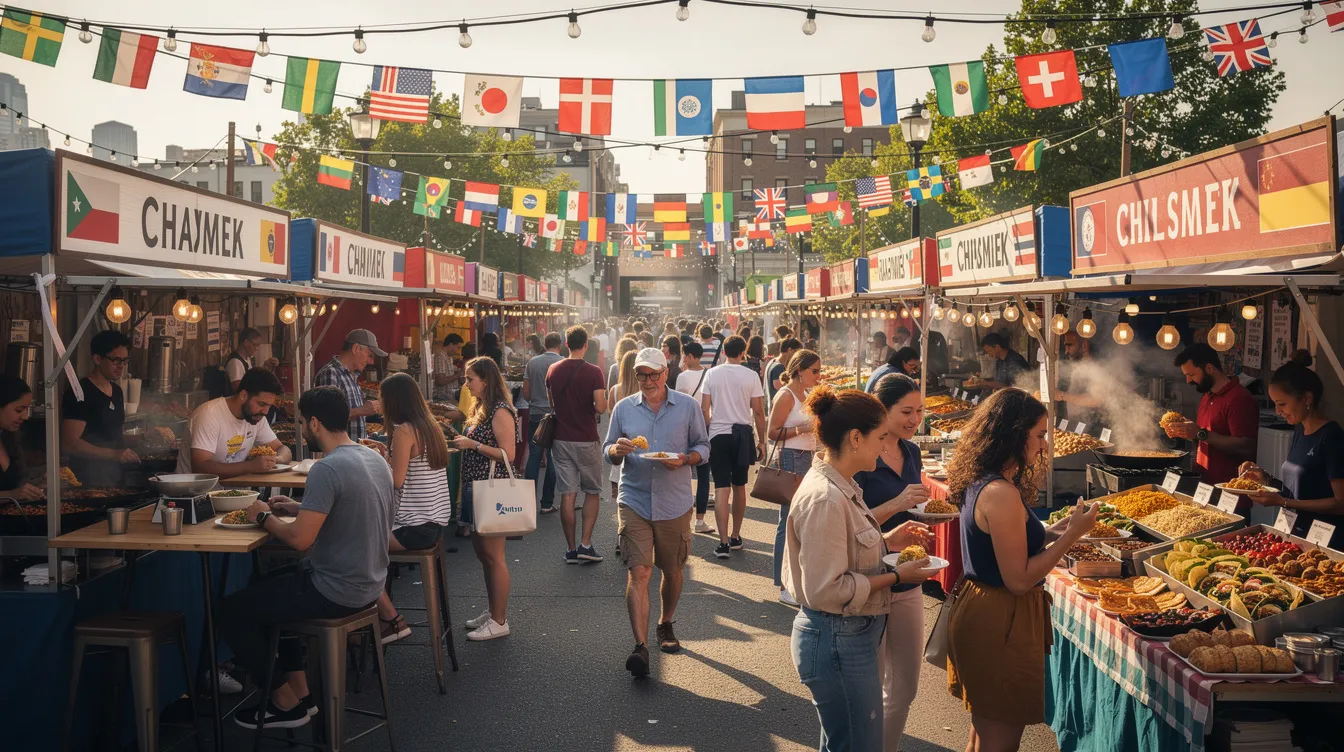
What the Expanded Format Means for Global Football and Business
More teams provide increased visibility for emerging national sides, potentially reshaping scouting, player transfers and club interest. A strong showing by a lesser-known team can accelerate youth development and investment back home-leaving a lasting legacy well beyond the tournament itself.
Additional fixtures expand inventory for broadcasters and advertisers, with more live slots and regionalised coverage across continents. New commercial partners from technology, travel, food and beverage, betting and entertainment sectors are entering the World Cup ecosystem, drawn by the scale of a 104-match schedule.
While expansion raises questions around player workload and calendar congestion-managers must balance squad depth carefully-it consolidates the World Cup’s position as the leading global event in sport. For business professionals in hospitality and lifestyle, understanding how mega-tournaments influence consumer behaviour is increasingly important.
FIFA also considered a 64-team World Cup for 2030, signalling that future growth remains on the agenda. For now, the 48-team model is the benchmark.
Practical Information and Official Sources
Official World Cup 2026 fixtures, venues, ticket details and hospitality products are managed by FIFA and local organisers. Readers should check FIFA’s official tournament website and app for up-to-date schedules, team profiles and stadium information.
Ticket availability, travel requirements and stadium regulations can change and should always be verified via official channels before booking. Businesses in food, drink, travel and hospitality should align their planning with confirmed FIFA timelines and host city announcements.
FAQs: World Cup 2026 in Brief
When does the FIFA World Cup 2026 take place?
From 11 June to 19 July 2026, across Canada, Mexico and the United States.
How many teams will compete in World Cup 2026?
The tournament features 48 teams, the largest number in FIFA World Cup history.
Where is the opening match being played?
The opening match is at Estadio Azteca in Mexico City, subject to final confirmation by FIFA.
Where will the 2026 World Cup final be held?
The final is at New York New Jersey Stadium (MetLife Stadium) in the New York metropolitan area.
How many host cities are involved?
Sixteen host cities across the three nations stage matches throughout the tournament.
Where can fans find official fixtures and tickets?
Fans should use FIFA’s official websites and digital channels for verified fixtures, ticket sales and tournament updates.
Why is this tournament important for hospitality and tourism?
It is expected to generate significant visitor flows, event bookings and food-and-drink demand across Canada, Mexico, the USA and key travel hubs worldwide.