



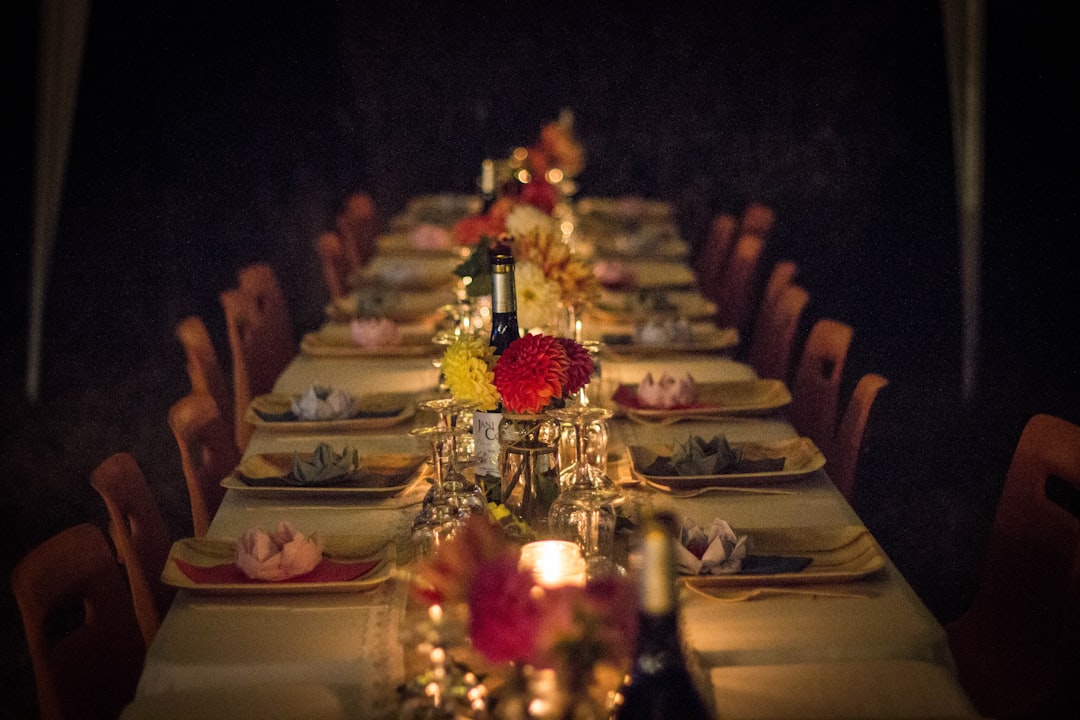
There’s a particular kind of satisfaction that comes from a dinner party done well. Not the performative kind where the host is visibly stressed and the conversation feels like a job interview, but the relaxed version. The one where someone brings a bottle they’ve been saving, the starter takes longer than planned because nobody minds, and the evening extends well past what anyone originally intended.
Food people tend to throw good dinner parties. Not because they’re showing off their technical skills, though that can be part of it, but because they understand that eating together is an exercise in hospitality in the broadest sense. It’s about time, and mood, and getting the conditions right so that people feel comfortable enough to actually talk.
The Ritual of Planning It
Anyone who loves food knows that the planning is half the fun. Sometimes more than half. The Friday evening of deciding what to cook. Cross-referencing recipes, thinking about dietary requirements without letting them completely dictate the menu, making a proper shopping list rather than just winging it. There’s a pleasure to that process that has nothing to do with the final dish.
Restaurant outings work differently. You hand over control, which for dedicated home cooks can feel like a small act of surrender, and in return you get to be surprised. The best restaurant experiences are the ones that teach you something: a flavour combination you wouldn’t have tried at home, a technique you hadn’t considered, an ingredient you now want to track down. A good meal out doesn’t replace cooking, it feeds back into it.
The food travel angle is its own thing entirely. Eating your way through a city or region with genuine intention, letting the food guide the itinerary rather than the itinerary allowing time for food. This is how a lot of serious food enthusiasts prefer to travel, and it produces a very different kind of holiday memory.
Pairing the Experience
There’s been a long cultural conversation about wine and food pairing, and it’s shifted considerably in recent years. The rigidities have loosened. Sommeliers talk about texture and weight rather than just colour. Natural wine has complicated everything. And the conversation has expanded well beyond wine, into beer, cocktails, non-alcoholic pairings for those who want them.
The same thoughtfulness that goes into pairing drinks with food tends to carry over into how food lovers approach the rest of the evening. If you’ve spent three hours caring about what’s on the table, you’re not going to immediately collapse in front of something mindless when the dishes are done. Or if you do, it’s a deliberate choice rather than a default.
What does that post-table time actually look like? It varies. Sometimes it’s another bottle and conversation that drifts wherever it drifts. Sometimes it’s a strong espresso and something sweet. Sometimes people move to the sofa and put on a film, or a long episode of something everyone has been meaning to watch. And increasingly, some people find their way to lighter digital entertainment: casual games, or a quick session on an online casino platform for something a bit more interactive.
For those who enjoy that kind of thing, exploring no deposit bonuses at non GamStop casinos has become a way of extending the evening’s pleasure without any significant financial commitment. These platforms, which operate outside the UK’s GamStop self-exclusion system, often offer no-deposit welcome bonuses that make it easy to try something new with low stakes. It’s the digital equivalent of someone producing an unexpected bottle from the back of a cupboard: a small treat that extends the evening nicely.
When You’re Not Cooking or Dining Out
The question of what food lovers do outside the kitchen and the restaurant is an interesting one. The obvious answers are reading cookbooks (even the ones they’ll never actually use), watching food content, browsing restaurant menus for future visits. But the reality is more layered than that.
A lot of food obsessives are also curious about other forms of craft and entertainment. There’s a temperamental connection between someone who cares deeply about how a dish is constructed and someone who appreciates craftsmanship in other areas: music, design, writing, gaming. The interest in how things are made, how experiences are built, tends to be transferable.
The evenings that aren’t dedicated to food often end up being dedicated to something else that requires a similar quality of attention. Or, sometimes, to something deliberately lightweight. The switch between intense focus and deliberate relaxation is something food people understand well. You can’t be switched on all the time, even about something you love.
The Full Picture of a Food-Led Life
What the best food-led evenings share is intentionality. Whether that’s a dinner party planned over a week, a spontaneous booking at a new restaurant, or simply sitting down after cooking with something you’ve been looking forward to, the common thread is that someone made a choice rather than just filling time.
That spirit, of choosing your experiences with some care and getting genuine pleasure from them, tends to characterise how food people approach their leisure more broadly. The table is where it usually starts. But a well-fed evening has a habit of producing a well-spent one, long after the last course is finished.