



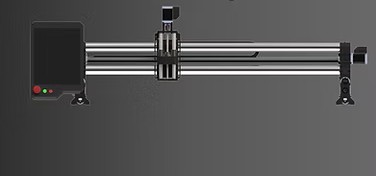
Whether you’re a hobbyist or running a small business, choosing the right wood CNC machine can make a difference to the quality, precision and efficiency of your work. A suitable machine helps you produce consistent results, while an unsuitable model can create limitations and unnecessary costs.
Before making a purchase, consider your projects, available workspace, software requirements and ongoing maintenance needs.
1. Think About What You’ll Be Using It For
Start by asking yourself what kind of woodwork you plan to do. Are you making furniture parts, carving detailed designs or cutting out basic shapes? Each type of project needs different capabilities.
If you’re doing fine detail work, look closely at the machine’s precision and suitability for your chosen cutters. If you’re working with large timber panels, you’ll need a cutting area that can accommodate them.
Knowing your materials and typical workload helps you narrow down your options.
2. Pick the Right Size and Cutting Space
CNC machines range from small desktop models to larger machines designed for workshop production. Check both the usable cutting area and the machine’s overall dimensions before buying.
If you’re making cabinet doors or large decorative panels, you’ll need a cutting bed that suits those projects. Leave room around the machine for loading materials, maintenance and any dust extraction equipment.
Some machines offer upgrade options, which may be useful if you expect your projects to grow. Check what those upgrades involve and how much they cost.
3. Make Sure It Works with the Software You Like
Choose a machine that supports software you already use or are comfortable learning. Check the design software, toolpath software and controller requirements, including whether any licences cost extra.
Look at how files transfer to the machine. Some systems use USB drives, while others connect directly to a computer or network. Certain models also have dedicated control screens.
Good tutorials, clear documentation and an active user community can make learning the system easier.
4. Durability, Maintenance and Support Matter Too
Look for a rigid frame and well-made rails, bearings and other moving components. These affect how reliably the machine performs over time.
Every machine needs care, so check how accessible its components are and what routine maintenance the manufacturer recommends. Find out whether replacement cutters, belts and spindle components are readily available.
Reliable technical support also matters. Help with setup, troubleshooting or replacement parts can reduce downtime.
5. Match the Machine to Your Goals
Buying a CNC machine is a significant investment. Think about your current projects, future plans and available space before choosing a model.
Include software, cutters, workholding, dust extraction and maintenance in your budget rather than comparing machine prices alone.
The wider role of equipment and digital tools is explored in FEAST Magazine’s article on how technology has transformed the construction industry. For woodworking businesses, the same practical question applies: does the technology suit the work you need to complete?
Choose a machine that meets your requirements and offers useful flexibility as your workload develops.
Why a CNC Machine Makes a Big Difference
CNC machines can provide consistency by repeating a programmed toolpath. This is useful when producing matching furniture components, decorative panels or batches of similar items.
However, results still depend on correct setup, suitable cutters, secure workholding and appropriate cutting settings. A CNC machine can reduce repetitive manual work, but it does not eliminate the need for checks and operator knowledge.
For beginners, learning to prepare designs and toolpaths is part of the process. Starting with straightforward projects can help build confidence before moving on to more complex work.
Set Yourself Up for Success with a CNC Machine
Investing in a wood cnc machine means choosing equipment that can become part of your everyday workflow.
When the machine suits your projects, workspace and skills, it can help you achieve cleaner cuts and more consistent production. Taking time to assess the full setup before buying gives you a better foundation for developing your woodworking.