



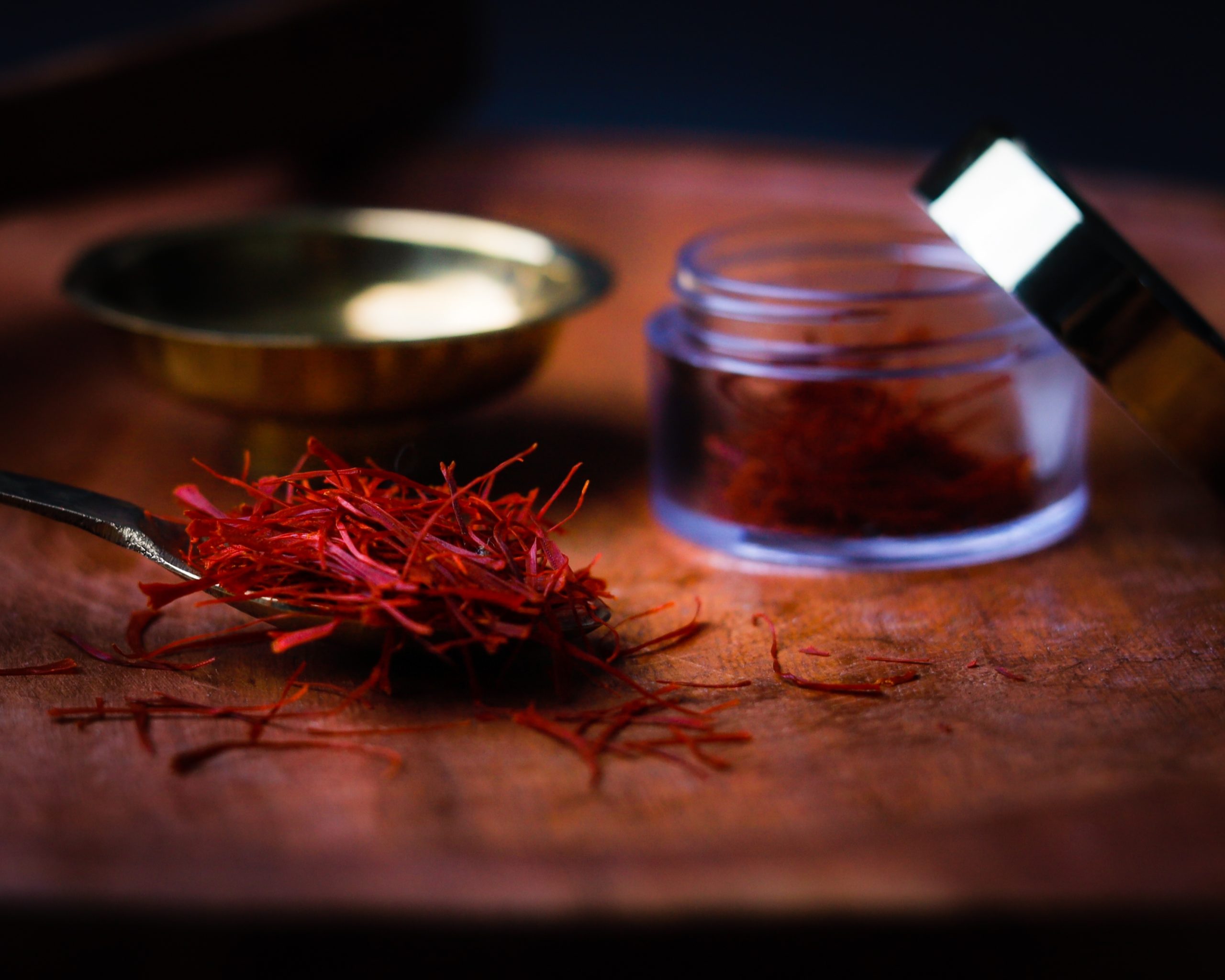
Saffron, the most expensive spice in the world, is derived from the stigma and styles—commonly referred to as threads—of the Crocus sativus flower. Its value comes from its culinary uses and the intensive labour required to harvest it; it takes approximately 150,000 flowers to produce a kilogram of saffron threads. Known for its distinctive colour and flavour, Saffron is a seasoning and colouring agent in various cuisines.
The spice boasts a rich history that dates back thousands of years and extends across numerous cultures, countries, and cuisines. Its applications vary from traditional medicine and perfumery to dyeing royal garments. Despite being native to Southwest Asia, it has been cultivated across continents, with Iran, Spain, and India being the leading producers.
In addition to its culinary prestige, Saffron contains several compounds with potential health benefits. These include antioxidants that may protect against oxidative stress and aid in improving mood, sexual function, and cognitive abilities. However, due to its potency and cost, it is used sparingly, and discerning how to use it effectively is crucial to ensuring consumer safety and maximising its benefits.
History and Origin
Saffron, derived from the Crocus sativus flower, boasts a rich tapestry of historical significance and geographical spread. Tracing the lineage of this prized spice uncovers deep roots in ancient civilisations and a dynamic history of cultivation across various regions.
Ancient Uses
Greece: In the Greco-Roman period, from the 8th century BC to the 3rd century AD, they harnessed Saffron extensively in their cooking, medicines, and dyes. The significance of Saffron is evident in the early depictions dating back to the Bronze Age, well before the influence of Greek culture began to take hold.
Mesopotamia: The use of Saffron in Mesopotamia for aromatic and culinary applications further illustrates its historical prominence. Saffron’s presence in this region underscores its importance as a commodity used by different cultures across millennia.
Geographical Spread
Iran: Often cited as a primary region for saffron production, Iran’s contribution to the cultivation of Crocus sativus cannot be overstated. It represents a significant chapter in the evolution of Saffron from a regional treasure to a globally sought-after spice.
General Spread: The geographical spread of saffron cultivation is vast, with historical evidence pointing to regions beyond Iran, such as Greece and Mesopotamia, playing pivotal roles in its dissemination. The adaptability and value of the Crocus sativus have facilitated its journey across continents, solidifying its place in many cultural and culinary traditions.
Botanical Information
Saffron is derived from the Crocus sativus flower and is renowned for its use as a spice after careful processing of its stigmas. The value of this plant lies in its unique chemical makeup and labour-intensive harvesting methods.
Crocus Sativus Specifications
Crocus sativus is a perennial plant from the Iridaceae family. Its most distinguishable feature is its purple-hued flowers, each containing three vivid crimson stigmas. When dried, these stigmas are commonly known as threads, the source of saffron spice. The plant thrives in subtropical climates, flourishing in well-drained soil under full sunlight.
- Size: Typically 20–30 cm in height.
- Flowering season: Autumn.
- Leaves: Grassy, green, and slender.
Essential plant compounds include:
- Picrocrocin: Contributes to the spice’s bitter taste.
- Safranal: Provides a distinctive aroma.
- Crocin: Responsible for the solid yellow colour.
Harvesting Process
The stigmas must be collected with utmost care to preserve their delicate nature. Harvesting occurs during a short window when flowers bloom over 1-2 weeks in autumn. The process involves:
- Picking: Each flower is handpicked from the plant.
- Separating: The stigmas are delicately separated from the rest of the flower.
- Drying: The threads are spread on drying trays.
The entire operation is painstakingly carried out by hand, which adds to the exclusivity and cost of Saffron. Approximately 150,000 flowers yield 1 kilogram of saffron threads, epitomising the intense labour required for its production.
Culinary Applications
Saffron is valued in cooking for its unique ability to enhance the flavour and colour of food.
Saffron in Traditional Dishes
Saffron is prized for its use in various traditional dishes across different cuisines. In Spanish cooking, it is an indispensable ingredient in paella, a rice dish often made with multiple seafood or meats. The spice imparts a distinctive golden hue and a subtle aroma that cannot be replicated with any other sauce. Similarly, in Italian gastronomy, Saffron is used in risotto, especially the classic Risotto alla Milanese, providing a vibrant colour and a rich depth of flavour.
Moving towards French cuisine, saffron features in the famous Provençal bouillabaisse, a fish stew which gains a warm, golden tone from the spice. In Indian gastronomy, it is a must-have for many rice dishes, including biryani, where its threads imbue the rice with a luxurious yellow tint and a delicate taste that complements the blend of spices used in the recipe.
How to Use Saffron
When incorporating Saffron into recipes, it is essential to understand the correct method to extract its flavour fully:
- Use a small amount, as it is pretty potent. A few threads are sufficient for most dishes.
- To release its flavour, lightly toast the threads and then soak them in hot water, broth or milk for at least 15 minutes. This infusion can be added directly to the dish.
| Method | Suggested Use |
|---|---|
| Crush and steep in liquid | Maximises flavour release, ideal for rice and stews |
| Adding directly to dishes | Use in dishes with sufficient moisture and cooking time |
Saffron pairs well with ingredients like almonds, cardamom, and shellfish, elevating the taste profile of the dish without overpowering the primary flavours. Saffron’s versatility lies in its ability to enrich both savoury and sweet dishes, from aromatic savoury pilafs to indulgent desserts like flan.
Health Benefits and Uses
Saffron, known for its vibrant colour and distinct aroma, is not only sought after as a culinary spice but also for its potential health benefits. These benefits can range from mood enhancement to the support of neurological health, all attributed to its rich antioxidant content.
Therapeutic Effects and Mood
Saffron contains bioactive compounds that may exert antidepressant properties by balancing neurotransmitter levels within the brain. Clinical studies suggest that saffron supplementation can help alleviate symptoms of depression and anxiety. Additionally, Saffron is believed to enhance libido in both men and women, potentially aiding in the management of sexual health conditions such as erectile dysfunction.
Dietary Supplement Use
As a dietary supplement, Saffron is associated with several potential health benefits. It has been theorised that saffron extract could contribute to weight loss by reducing appetite and curbing cravings. For women, saffron supplements are sometimes used to alleviate premenstrual syndrome (PMS) symptoms.
Implications for Neurological Health
The antioxidant properties of Saffron may benefit cognitive function, with some* evidence suggesting a positive effect on memory enhancement. This could have broader implications for health conditions associated with cognitive decline, such as Alzheimer’s disease. The high concentration of antioxidants in Saffron may also offer protective effects against oxidative stress, which is implicated in the progression of age-related macular degeneration (AMD).
Cardiovascular and Systemic Effects
Regular saffron intake has been associated with potential cardiovascular benefits. It may help reduce blood pressure and possess anti-inflammatory qualities that benefit systemic health. However, the relationship between Saffron and cancer prevention remains under investigation, with current evidence not being conclusive enough to establish a direct link.
Quality and Selection
Selecting high-quality Saffron is crucial due to its expensive nature and significant impact on the flavour and colour of dishes. The quality directly relates to the price, making it essential for consumers to understand how to determine saffron quality and make informed decisions when buying and storing it.
Determining Saffron Quality
To ascertain the quality of Saffron, one should first conduct a visual inspection. High-quality saffron threads, known as stigmas, should be deep crimson-red with slight orange tips. The presence of yellow or white parts indicates lower quality, as portions of the style carry less flavour and colour.
Spanish and Kashmiri saffron are among the finest varieties. Kashmiri is generally considered superior due to its intense colour, robust flavour, and aroma. However, due to these desirable properties, they are also usually more expensive.
To check for authenticity, perform a simple water test: place saffron threads in cold water and observe the colour release. Authentic Saffron will gradually turn the water a vivid yellow-orange while the threads remain red. Fast colour release or unchanged water signifies possible adulteration.
Buying and Storing
When shopping for Saffron, ensure the retailer or online shop is reputable, especially because Saffron’s high price and high demand can lead to market adulteration. The origin of the Saffron, its grade, and its harvest date are essential indicators of quality.
Proper storage is critical for maintaining Saffron’s quality upon purchase. Store saffron threads away from light and moisture in an airtight container to preserve their flavour and colour. Cool and dry conditions are best, so a spice cabinet away from heat sources or refrigeration is advisable for long-term storage.
Safety and Side Effects
When incorporating Saffron into a routine, knowing its safety and potential side effects is critical. Consulting with a healthcare professional, especially when considering doses for medical purposes, is advised to minimise risks.
Potential Adverse Reactions
Saffron, in moderate culinary amounts, is generally considered safe. However, when taken medicinally in higher doses, side effects might occur. These side effects can include:
- Stomach problems
- Nausea or vomiting
- Drowsiness
In some instances, Saffron may also cause more severe adverse reactions, such as:
- Allergic reactions ranging from mild to severe
- Increased risk of bleeding, particularly in combination with blood thinners like warfarin
It is crucial to be cautious, as high quantities exceeding 5 grams are toxic and may lead to poisoning.
Usage Guidance
A healthcare professional should determine dosage to ensure safety, particularly for long-term use or doses exceeding 100 mg daily. Here are some specific recommendations:
- Up to 100 mg daily for 26 weeks have been used safely for general supplementation.
- Pregnant and breastfeeding women should avoid high doses of Saffron due to insufficient evidence of safety.
- Those on mood medications or blood thinners should have their condition monitored closely by a healthcare provider.
In summary, prior consultation with a registered dietitian or doctor is recommended to establish a safe and effective dose for an individual’s needs.
Scientific Research
Saffron, sourced from the stigma of Crocus sativus L., has been subjected to extensive scientific scrutiny due to its bioactive compounds, such as crocin, Safranal, and picrocrocin. These studies aim to decipher Saffron’s potential therapeutic and medicinal benefits.
Bioactive Compounds and Effects
Saffron’s rich chemical composition confers it with notable antioxidant properties, chiefly attributed to carotenoid pigments like crocin and crocetin. Crocin, in particular, is responsible for Saffron’s deep red colour. As an antioxidant, crocin combats reactive oxygen species, which can play a role in the onset of various diseases.
Beyond its ability to function as an antioxidant, Saffron contains Saffron and picrocrocin, which contribute to its flavour and aroma. In addition to adding to the sensory profile, Saffron has been observed to have potential therapeutic effects. Scientific investigations underscore Saffron’s use in therapy, particularly for neurodegenerative disorders and mood improvement.
Clinical Studies and Reviews
Clinical trials elaborate on Saffron’s medicinal properties, with several peer-reviewed studies confirming its efficacy. A meta-analysis of these trials often compares Saffron’s effectiveness to a placebo or standard treatments, with numerous outcomes indicating Saffron’s promise as an adjunct to traditional therapies.
- Clinical Efficacy of Saffron: Rigorous testing in a controlled environment has showcased Saffron’s positive impact on mood disorders. In some studies, it has performed on par with certain pharmaceutical antidepressants, though without high rates of side effects.
- Pharmacological Reviews: Comprehensive reviews of Saffron’s pharmacology reflect its wide-reaching medicinal applications. For instance, studies on saffron supplementation suggest improvements in mood and stress resilience, highlighting Saffron’s importance in treating mood-related conditions.
Thus, scientific research into Saffron, backed by its constituents like crocin and Safranal, supports its burgeoning role in healthcare and therapy, acknowledging both its traditional use and modern medical value.
Comparative Analysis
The value of Saffron is often appraised through its unique culinary characteristics and its economic impact on markets where it plays a significant role.
Saffron Versus Other Spices
In composition and usage, Saffron, Crocus sativus L., distinctly stands apart from other spices, such as turmeric and paprika. Unlike its counterparts, Saffron contains the compound crocetin and is comprised of dried stigmas called styles. In culinary contexts, Saffron provides a unique flavour and colouring strength that is not easily matched by other spices.
- Flavour Profile:Saffron: Subtle, grassy, with honeyed notes
- Turmeric: Earthy, bitter, peppery
- Paprika: Sweet to hot, slightly smoky
- Colouring Ability:Saffron: Rich golden-yellow
- Turmeric: Vibrant yellow
- Paprika: Reddish-orange
Given its complexity, Saffron is often used in delicately flavoured dishes. It is essential in traditional cuisines, whereas turmeric and paprika might be chosen for their health benefits and intense, more robust flavours.
Economics of Saffron Production
Economically, Saffron is considered one of the most expensive spices in the world due to its labour-intensive harvesting process, which impacts its price considerably compared to other spices. Each flower of Crocus sativus yields only a few styles, which must be handpicked. Consequently, approximately 150,000 flowers are required to produce 1 kilogram of Saffron.
- Production Quantity: Iran: Over 160 tons/year (about 90% of the world’s supply)
The ISO (International Standards Organisation) facilitates international trade in Saffron by setting standards that ensure quality and purity across the market. These standards help maintain consistency in what is considered a precious and often adulterated spice, affecting its economics.
It is clear that the limited availability and high demand for Saffron, paired with rigorous standards, makes its farming a significant economic venture, transcending that of turmeric and paprika, both of which are more abundantly available and easier to harvest.
Cultural Significance
Saffron holds profound cultural significance, steeped in history and impacting societies across the Mediterranean and beyond. Its value transcends culinary uses, intertwining with art, literature, and socioeconomics.
Saffron in Art and Literature
Historically, Saffron has been a recurring motif in art and literature, symbolising purity, light, and wealth. Artists often used saffron hues to create vibrant and expensive yellow pigments, which signified divinity and status. In literature, references to its colour and rarity denote luxury. They are often used metaphorically to convey richness in character or setting, especially within Mediterranean cultures.
Social and Economic Impact
Economically, Saffron’s labour-intensive cultivation has significant social implications. It is a source of livelihood for many people, with a pound of Saffron entailing the harvest of approximately 75,000 blossoms by hand. This painstaking process is reflected in its high market price, making it as much a socio-economic commodity as a culinary one.
- Harvesting Practices: Laborious handpicking
- Market Price: High value, reflecting intensive labour
- Cultural Roles: Present in rituals and ceremonies
- Geographic Influence: Widespread across Mediterranean societies
Saffron has also contributed to social customs and traditions, particularly in Mediterranean and Middle Eastern societies. It is often present in various rituals, from culinary traditions to religious ceremonies, substantiating its integral role in cultural heritage.
Culinary Techniques
Incorporating Saffron into culinary applications is an exercise in precision, allowing the spice’s subtle yet distinct flavour to shine through in various dishes. Proper preparation and thoughtful pairing are crucial for harnessing Saffron’s full potential.
Preparation and Cooking Methods
Soaking Saffron: To best extract Saffron’s vibrant colour and flavour, it is commonly steeped in warm water or milk before use. A typical method involves:
- Crushing Threads: Lightly crush the saffron threads using a mortar and pestle to release their flavour compounds.
- Steeping Process: Soak the crushed threads in warm water or milk for 15-30 minutes.
This soaking liquid is added directly to dishes, ensuring the Saffron’s colour and flavour distribution are even.
Cooking with Saffron: Regarding cooking techniques, Saffron is versatile and can be included in various stages of the cooking process. For instance:
- Adding Directly: Saffron threads can be added at the beginning of cooking to infuse the oil or base with their aroma.
- Infusing Liquids: Threads soaked in liquids can be incorporated into broths, risottos, and stews.
Pairing with Foods
Savoury Dishes: Saffron’s rich aroma and taste complement various savoury dishes. It’s especially prominent in:
- Rice Dishes: These include paella, biryani, and risotto, where Saffron’s golden hue is as appealing as its flavour.
- Seafood: Enhances dishes with subtle marine flavours, like bouillabaisse or seafood paellas.
Pairing Guidelines:
- Complementary Flavours: Saffron pairs well with ingredients such as garlic, onions, tomatoes, and white wine, enhancing taste without overwhelming.
- Avoiding Competition: Since its delicate flavour, it’s best to avoid pairing Saffron with overpowering spices.
By adhering to these preparation methods and pairing principles, chefs can ensure that Saffron’s unique characteristics are presented with clarity and sophistication in their cooking.
The Science of Taste
To understand Saffron’s palette impact, it’s essential to consider its chemical intricacies and the human sensory experience it provokes. This section dissects the compounds that shape flavour and the process of flavour perception.
Chemical Components Affecting Flavour
Saffron’s distinct taste is an amalgamation of several compounds:
- Crocin: This chemical is primarily responsible for Saffron’s vibrant yellow colour and imparts a subtle sweetness.
- Picrocrocin: It gives Saffron its characteristic bitter taste, which evolves as the spice steeps.
- Safranal: While Safranal is integral to Saffron’s aroma, it also plays a role in its complex flavour profile.
The proportions of these molecules in Saffron can vary, resulting in a spectrum of flavours noted for their floral, honey-like, or musky notes.
Perception of Flavour
Flavour perception is a multi-sensory process:
- Olfactory System: Upon ingestion, the aroma molecules of saffron travel to the olfactory receptors, contributing significantly to the perception of flavour.
- Taste Buds: The bitterness of picrocrocin and the sweet nuances of other components stimulate the taste buds differently, culminating in the complex taste of Saffron detected on the palate.
The yellow colour of Saffron also has a psychological effect on the perception of its flavour, often associating it with a specific expected taste profile. Flavour perception is not solely a result of the interaction with the tongue but a comprehensive experience involving multiple senses.
Global Trade and Market
The global saffron market is a dynamic and growing sector influenced by various factors, from production to consumption trends. It reflects a blend of traditional trade practices and modern market shifts.
Major Producers and Exporters
Iran is the world’s leading producer and exporter of Saffron, holding a significant global market share. The country’s economy benefits from the trade of Saffron due to its high-quality production, which sets the global market for price and style. Following Iran, countries such as Greece contribute to the show, although on a smaller scale. Yet their products are renowned for quality.
- Iran: Dominant leader in global saffron exports, setting market price standards.
- Greece: Smaller-scale producer known for high-quality Saffron.
Consumption Patterns
The consumption patterns of Saffron vary worldwide, with European countries demonstrating a considerable demand. This is linked to the increased accessibility of Saffron through improved global trade and distribution networks. The price point of Saffron, dictated by its labour-intensive harvesting method and quality, positions it as a culinary and luxury item, impacting its market demand.
- European Demand: High due to accessible trade routes and a taste for luxury.
- Market Implications: Price sensitive, affected by the quality of Saffron and its cost of production.
Medical Applications
Saffron, an esteemed spice derived from Crocus sativus L., has made significant medical research strides mainly due to its cardiovascular, anti-inflammatory, and neuroprotective properties.
Current Research on Medicinal Uses
Researchers have found that Saffron may play a role in treating a range of conditions due to its rich profile of bioactive components. Recent studies suggest that:
- Depression: Saffron’s constituents can modulate neurotransmitters linked to depression, with some studies suggesting antidepressant efficacy comparable to conventional medications.
- Pain and Inflammation: It exhibits anti-inflammatory properties, offering potential relief from pain and discomfort.
- Heart Disease: The spice demonstrates cardiovascular benefits, potentially aiding in heart disease management.
- Nervous System: Ongoing research investigates Saffron’s impact on the nervous system, which could open avenues for treating neurodegenerative disorders.
The table below summarises Saffron’s researched benefits for specific conditions:
| Condition | Potential Benefit |
|---|---|
| Depression | May improve mood and alleviate depressive symptoms |
| Pain | Antinociceptive properties that could manage pain |
| Heart Disease | Cardio-protective effects |
| Age-related Macular Degeneration | Antioxidant properties that might protect visual health |
| PMS Symptoms | May ease menstrual-related discomfort |
| Sexual Function | Aphrodisiac properties under investigation |
Integration into Healthcare
The incorporation of Saffron into healthcare practices necessitates rigorous clinical validation. Healthcare providers consider several factors before recommending Saffron as an adjunct or alternative therapy:
- Efficacy: Its therapeutic potential must align with the needs of the patient’s condition.
- Safety: Like all medications and supplements, Saffron must be safe for consumption without adverse reactions or interactions.
- Regulatory Approval: Saffron-based applications must comply with healthcare regulations and be prescribed by licensed healthcare providers.
- Research: Supporting evidence from robust clinical trials to justify its usage in treating various ailments.
While ongoing research continues to uncover the medicinal benefits of Saffron, clinicians remain cautiously optimistic about integrating it into patient care. It is vital for Saffron’s use in therapy to be backed by substantial evidence and for any applications to be monitored by healthcare professionals.
Consumer Education
In the realm of Saffron, Consumer Education plays a critical role in ensuring individuals can make informed decisions about the quality and authenticity of the products they purchase.
Identifying Genuine Saffron
When considering the purchase of Saffron, it is crucial to distinguish genuine Saffron from potential imitations. ISO 3632 is a set of international standards established to assist consumers in assessing saffron quality. Genuine Saffron can be identified by its distinctive aroma, deep red colour, and the presence of only the stigma, with no style or other floral waste. Furthermore, reputable vendors often provide information about their Saffron’s origin and ISO certification to attest to its authenticity.
Understanding Labels and Grades
Saffron quality is commonly categorised by grade, which reflects its colouring strength and adherence to ISO standards. High-quality Saffron will have high colouring power, indicating a higher concentration of the active compounds crocin, picrocrocin, and Safranal. Grades are labelled as follows:
- Category I (Superior Quality): Highest crocin concentration, above 190 (measured in absorption units at 440 nm)
- Category II (Grade A): Crocin concentration between 150-190
- Category III (Grade B): Crocin concentration of 110-150
Price often correlates with these grades, signifying the purity and potency of the Saffron. The labelling of saffron products provides essential details to the consumer, encapsulating information about the status, origin, and ISO certification, ensuring they receive a high-quality product that meets stringent production standards.
Recipes and Preparation Tips
Saffron’s distinctive aroma and vibrant colour enhance dishes from traditional classics to modern favourites, and mastering its usage is critical to elevating one’s culinary skills.
Traditional Recipes
Paella: Renowned as a quintessential Spanish dish, saffron threads impart a unique yellow hue and subtle flavour to the rice. To utilise Saffron in paella, it’s traditionally steeped in hot water before being added to the dish, releasing its colour and aroma.
Risotto alla Milanese: In this classic Italian recipe, Saffron is infused into the broth before being combined with Arborio rice, ensuring an even distribution of colour and taste throughout the creamy risotto.
Bouillabaisse: This French fish soup highlights Saffron’s affinity with seafood. The threads should be added at the start of the cooking process, allowing the complex flavours to meld with the broth.
Modern Culinary Uses
Saffron-Infused Pilaf: Saffron’s versatility in modern cuisine is evident in its pairing with asparagus and almonds for a refreshing pilaf. Saffron should be gently toasted before being incorporated into the dish to maximise its flavour.
Saffron Aioli: Modern chefs often create vibrant condiments such as lemon-saffron aioli to accompany dishes like chicken tenders, using powdered Saffron for ease and consistency.
In contemporary recipes, chefs may opt for the more convenient powdered Saffron. However, accurate measurement is crucial to prevent overpowering a dish, whether using threads or powder. Saffron’s intensity means a little goes a long way, and it should not compete with bold flavours but rather complement them.
Nutritional Profile
Saffron is a highly valued spice known for its distinct flavour and colouring properties and for its nutritional content. It is low in calories and rich in several essential nutrients.
Vitamins and Minerals
Saffron contains several vitamins and minerals, contributing to its health benefits:
- Vitamin A: Crucial for eye health and immune function.
- Vitamin C: Important for skin health and immune defence.
- Vitamin B6: Plays a role in cognitive development and immune function.
- Iron: Essential for blood production and oxygen transport.
- Magnesium: Involved in muscle and nerve function, blood glucose control, and blood pressure regulation.
- Potassium: Helps to regulate fluid balance, muscle contractions, and nerve signals.
- Calcium: Necessary for bone health and function of the heart, muscles, and nerves.
In addition, Saffron is a source of antioxidants, including the carotenoid pigment crocin, which gives Saffron its characteristic golden-yellow hue and possesses potent antioxidant properties.
Dietary Fibre and Compounds
Saffron has a modest amount of dietary fibre and is known for certain bioactive compounds that can benefit one’s diet:
- Dietary fibre: Aids in digestion and contributes to the feeling of fullness.
- Crocin and crocetin: Carotenoids in Saffron associated with antioxidant activity.
- Safranal: A compound that imparts the spice’s aroma and may have neuroprotective effects.
These compounds are a part of a balanced diet and may provide antioxidant benefits, promoting overall health.
Frequently Asked Questions
Saffron is a spice with a wealth of benefits, but it is often surrounded by questions regarding its health implications, usage, and value. This section provides brief answers to common inquiries about Saffron.
How does Saffron benefit one’s health?
Saffron contains antioxidants that can help prevent nervous system disorders. It reportedly has properties that act as an antidepressant and may enhance libido.
What is the cost range for Saffron?
The cost of Saffron can vary widely. Due to its labour-intensive harvesting process, it is often sold at a premium. Prices can range significantly from moderate to expensive, depending on quality and origin.
Can Saffron be consumed directly, and if so, how?
Yes, Saffron can be consumed directly. It can be incorporated into recipes to utilise its flavour and potential health benefits, such as steeping in warm water to make saffron tea or adding to dishes like risotto.
Why is Saffron considered a precious spice?
Saffron is highly valuable due to its complex harvesting process, where stigmas are handpicked from the Crocus sativus flower. Its extensive labour requirements and limited geographic cultivation areas contribute to its high cost.
What is the significance of the colour associated with Saffron?
The vibrant golden colour is a distinctive characteristic of SaffronSaffron, often used to naturally add this hue to foods and textiles. Its colour also signifies its authenticity and quality.
What is the local Indian name for Saffron?
In India, Saffron is commonly known as ‘Kesar’. It is a revered spice used in various dishes and ceremonies in Indian cuisine and culture.