



Table of Contents
- The Evolution of Professional Pet and House Sitting
- Identifying the Core Risks in Domestic Caretaking
- The Legal Framework of Property Access and Care
- Behavioral Risks and Animal Welfare Protocols
- Emergency Preparedness and Crisis Management
- Financial Protection and Specialized Liability Coverage
- Client Communication and Boundary Setting
- Health and Safety Standards for the Modern Sitter
- Securing the Future of Your Sitting Career
The Evolution of Professional Pet and House Sitting
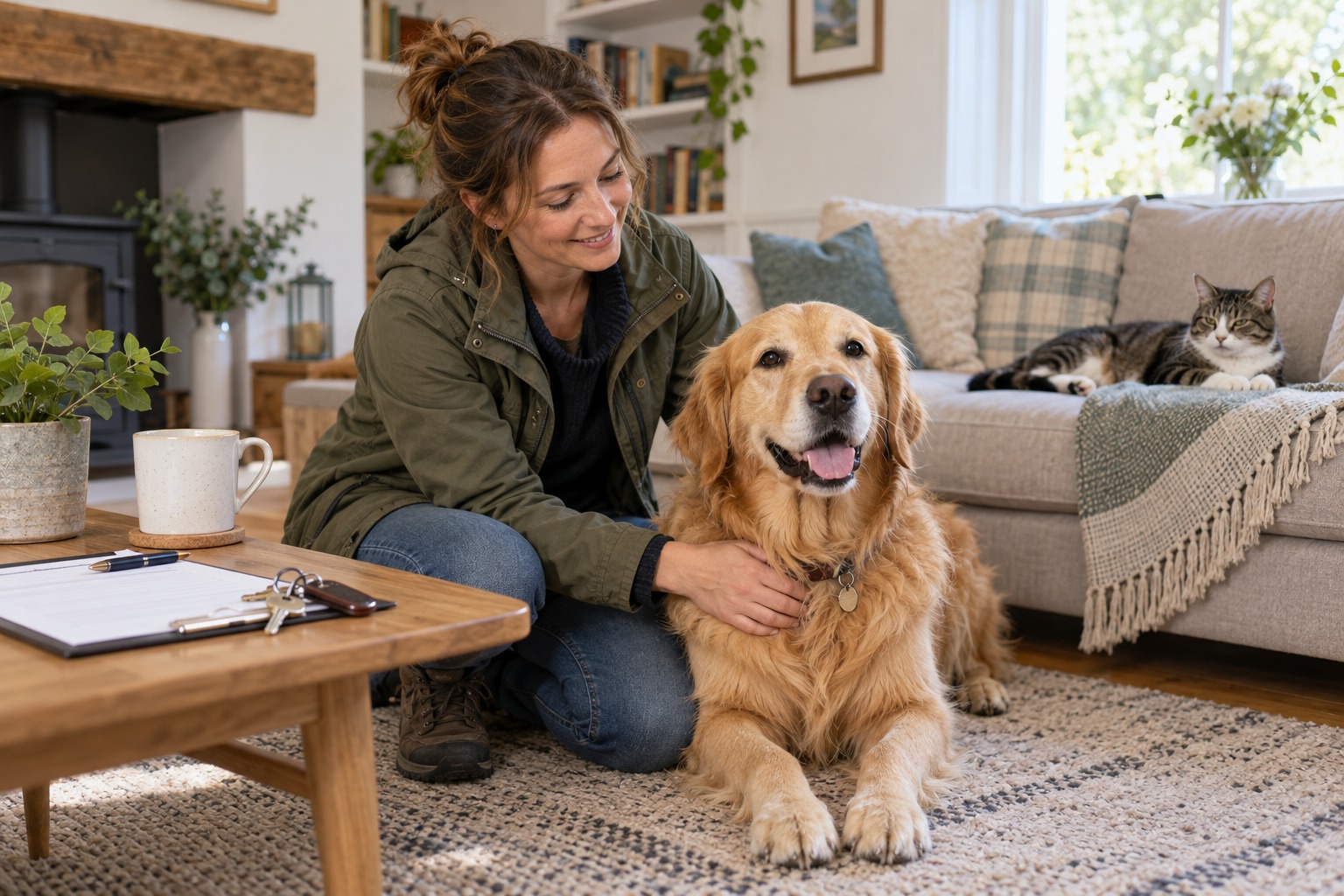
The transition from a casual favor for a neighbor to a sophisticated global industry has changed the way we view domestic caretaking. What was once a simple exchange of keys has evolved into a complex service requiring a deep understanding of animal behavior, property law, and risk mitigation. Today, homeowners are no longer just looking for someone to water the plants or fill a food bowl. They are looking for professional stewards who can navigate the complexities of modern home technology and the specific medical needs of aging pets.
This professionalization brings with it a higher standard of care and, consequently, a higher level of liability. As a sitter, you are essentially a temporary guardian of a person’s two most valuable assets: their home and their non human family members. Managing this responsibility requires more than just a love for animals. It demands a rigorous approach to safety and a proactive mindset regarding potential disasters. By treating every assignment as a high stakes professional engagement, you protect not only the client but also your own livelihood and reputation.
The Shift Toward Professionalism
In the past decade, the rise of specialized platforms has flooded the market with sitters. However, the distinction between a hobbyist and a professional lies in their approach to risk. Professionals understand that a single incident, such as a burst pipe or a dog bite, can lead to catastrophic financial consequences. This is why seasoned experts prioritize comprehensive preparation over simple convenience. They enter every home with a checklist, a plan, and a clear understanding of their legal standing.
Why Risk Management Matters Now More Than Ever
Modern homes are equipped with smart technology, complex security systems, and high end appliances that require specific knowledge to operate. Simultaneously, pets are increasingly viewed as integral family members, leading to higher emotional stakes if something goes wrong. When you manage risk effectively, you provide peace of mind to the owner, which is the ultimate product you are selling. A well prepared sitter is a calm sitter, and a calm sitter is better equipped to handle the unexpected.
Identifying the Core Risks in Domestic Caretaking
Risk in the world of house and pet sitting is multifaceted. It is not limited to the physical health of the animal or the security of the front door. It extends into digital privacy, property damage, and even personal injury to the sitter. Understanding these categories is the first step in building a robust defense against them.
- Physical Property Damage: This includes accidental fires, water leaks, or damage caused by the pets themselves.
- Animal Related Incidents: Bites, escapes, sudden illnesses, or injuries sustained while the pet is under your care.
- Third Party Liability: Situations where a pet in your care causes harm to a stranger or another animal during a walk.
- Professional Errors: Forgetting to set an alarm, losing keys, or failing to administer life saving medication on schedule.
- Personal Safety: The risks to the sitter, including slips and falls on the property or aggressive behavior from the animals.
Categorizing Environmental Hazards
Every home has its own set of hidden dangers. A loose floorboard, a faulty garage door sensor, or a toxic plant in the backyard can all lead to disaster. Part of your initial walkthrough should involve a dedicated hazard hunt. Look for anything that could pose a threat to the pets or yourself. By identifying these issues before the owners leave, you can either rectify them or establish a plan to avoid them entirely.
The Legal Framework of Property Access and Care
Entering a private residence to perform a service creates a unique legal relationship. You are often classified as an independent contractor or a bailee, depending on the jurisdiction and the nature of the contract. This status carries specific duties of care. If you fail to meet these duties, you could be held liable for negligence.
- The Importance of a Written Contract: Never rely on verbal agreements. A contract should outline the scope of work, payment terms, and emergency instructions.
- Understanding Access Rights: Clarify who else has keys to the home, such as cleaners, gardeners, or family members, to avoid security breaches.
- Data Privacy and Surveillance: With the prevalence of indoor cameras, it is vital to discuss privacy expectations and where cameras are located.
- Liability Waivers: While they do not protect against gross negligence, they can help define the limits of your responsibility for pre existing conditions or natural disasters.
Protecting Your Business Identity
As you grow your presence in the industry, your brand becomes an asset. Protecting this asset involves ensuring you have the right backing. Many professionals choose to partner with Pet Business Insurance to ensure they have the specific coverage needed for domestic environments. This level of foresight demonstrates to clients that you take your legal and financial obligations seriously, setting you apart from casual sitters who may not have any formal protections in place.
Behavioral Risks and Animal Welfare Protocols
Managing animals is inherently unpredictable. Even the most docile dog can react aggressively in a new situation or when their owner is away. Recognizing the signs of stress and anxiety in animals is a core competency for any professional sitter.
Recognizing Stress Signals
Animals communicate through body language long before they resort to vocalization or physical action. A dog might show the whites of its eyes, known as whale eye, or lick its lips excessively when uncomfortable. A cat might flatten its ears or twitch its tail rapidly. Recognizing these subtle cues allows you to intervene before a situation escalates into a bite or an escape attempt.
Safe Interaction Guidelines
- Respect the Three Second Rule: When meeting a new pet, pet them for three seconds, then stop to see if they lean in for more or move away.
- Maintain Routine: Animals thrive on predictability. Stick to their feeding and walking schedule as closely as possible to reduce anxiety.
- Secure Transitions: The most common time for a pet to escape is during the transition from the house to the car or when opening the front door. Always use double barriers when possible.
For further preparation, FEAST Magazine shares tips for keeping pets comfortable while their owners are away.
Emergency Preparedness and Crisis Management
When a crisis hits, every second counts. Whether it is a medical emergency for the pet or a utility failure in the home, having a pre determined plan is the difference between a controlled situation and a total disaster.
The Emergency Kit and Contact List
Every professional should have a go bag that includes basic first aid supplies for both humans and animals. Additionally, you must have immediate access to:
- The nearest 24 hour emergency veterinary clinic.
- The contact information for a trusted plumber, electrician, and locksmith.
- The location of the main water shut off valve and the circuit breaker.
- A clear authorization for medical treatment form signed by the owner.
Handling Medical Emergencies
If a pet becomes ill, your first priority is stabilization and transport. However, you must also consider the financial implications. Having a relationship with a provider like Pet Business Insurance can be a lifesaver when dealing with the complexities of From Keys to Cages: Managing Risk While House and Pet Sitting, as it provides a safety net for the unexpected costs associated with professional care errors or accidents.
Financial Protection and Specialized Liability Coverage
One of the most overlooked aspects of risk management is the financial impact of a lawsuit or a major property claim. Even if you are not at fault, the cost of defending yourself in court can be ruinous. This is where specialized insurance becomes a non negotiable tool for the professional sitter.
Why General Homeowners Insurance is Insufficient
Many sitters mistakenly believe that the homeowner’s insurance will cover them. In reality, most homeowner policies exclude coverage for business activities conducted on the premises. Furthermore, these policies usually do not cover the death or injury of a pet under the sitter’s care, as pets are often legally classified as property.
The Role of Specialized Policies
Specialized policies are designed to fill the gaps left by standard insurance. They often include care, custody, and control coverage, which specifically protects you if an animal in your charge is injured or lost. Utilizing Pet Business Insurance ensures that you are covered for the unique risks of the industry, such as losing a client’s keys or accidental damage to a client’s expensive flooring. This specific type of coverage is what separates the professionals from the amateurs.
Client Communication and Boundary Setting
Clear communication is the best preventative measure against misunderstandings and subsequent liability. Setting boundaries early in the relationship helps manage client expectations and ensures that you are not asked to perform tasks that fall outside your expertise or comfort zone.
- The Initial Consultation: Use this time to interview the client as much as they are interviewing you. If a situation feels unsafe or the expectations are unrealistic, decline the job.
- Daily Updates: Providing regular photos and brief summaries of the day reassures the owner and creates a paper trail of the pet’s well being.
- Defining Availability: Be clear about your working hours. Unless it is an emergency, you should not be expected to answer messages at midnight.
- Documenting Pre existing Damage: Take photos of any scratches, stains, or broken items in the home before the owner leaves to avoid being blamed for them later.
The Power of Transparency
If something goes wrong, honesty is always the best policy. Attempting to hide a minor incident often leads to a total loss of trust and potential legal action. By reporting issues immediately and explaining the steps you have taken to resolve them, you demonstrate professional integrity.
Health and Safety Standards for the Modern Sitter
Your own health and safety are just as important as the property and pets you are guarding. Professional sitting can be physically demanding and mentally taxing, especially during long term assignments.
Ergonomics and Physical Safety
Walking large dogs or lifting heavy bags of kibble can lead to chronic injuries if not done correctly. Use proper equipment, such as front clip harnesses for pullers, and always practice safe lifting techniques. Additionally, be mindful of your surroundings when walking pets in unfamiliar neighborhoods, especially after dark.
Mental Health and Burnout Prevention
The isolation of house sitting, combined with the high pressure of caring for another person’s life, can lead to burnout. It is essential to maintain your own routines, stay connected with friends, and ensure you are getting enough sleep. A tired or stressed sitter is more likely to make mistakes, increasing the overall risk of the assignment.
Sanitization and Disease Control
When moving between different households, you must be careful not to act as a vector for disease. This is particularly important if you are caring for puppies or elderly animals with compromised immune systems. Using Pet Business Insurance as part of your business model allows you to focus on these high standards of care, knowing that your professional risks are managed by experts who understand the nuances of animal health and safety.
Securing the Future of Your Sitting Career
The landscape of domestic caretaking will continue to change as technology advances and the legal definitions of pet ownership evolve. Staying ahead of these changes requires a commitment to ongoing education and a proactive approach to risk management.
- Pursue Certifications: Obtain certifications in pet first aid, CPR, and animal behavior to bolster your credentials.
- Stay Informed on Local Laws: Keep up to date with leash laws, breed specific legislation, and zoning regulations in the areas where you work.
- Review Your Coverage Annually: As your business grows, your insurance needs will change. Regularly checking in with Pet Business Insurance ensures that your policy limits remain adequate for your increasing responsibilities.
- Build a Professional Network: Connect with other sitters to share experiences, advice, and referrals. A strong community makes the entire industry safer and more professional.
By integrating these strategies into your daily operations, you transform the act of house and pet sitting from a simple task into a sophisticated professional service. Managing risk is not just about avoiding bad outcomes; it is about creating a foundation of trust, safety, and excellence that allows you to provide the highest level of care possible. When you master the transition from keys to cages, you ensure a long, successful, and rewarding career in this unique and vital industry.